
NEWS
Spring forecast for the United States


AccuWeather Global Weather Center – February 2, 2021 – Punxsutawney Phil has emerged from his burrow and has declared six more weeks of winter, but that prognostication may not come to fruition across the entire U.S.
Winter weather has reached every corner of the country this season, ranging from waves of early-season storms across the entire West Coast to snow and ice in the Southeast and the first blizzard in years for part of New England. While there is still plenty of winter weather in the pipeline, the light is starting to appear at the end of the tunnel with the arrival of spring right around the corner.
Meteorological spring officially begins on Tuesday, March 1, and astronomical spring begins on Sunday, March 20, but the changing of the seasons may not translate to the abrupt end of cold and snowy weather across the United States.
AccuWeather’s team of long-range forecasters, led by Senior Meteorologist Paul Pastelok, has been analyzing weather patterns around the globe to make a forecast for the coming months. In crafting a long-range forecast, Pastelok and his team employ a much different method than what’s relied upon to make a short-term forecast for the next three to five days.
One way that the team of forecasters forged the spring forecast is with the help of analogs. Analogs are years in the past when the weather patterns around the globe were similar to what is currently happening. Studying the past gives forecasters clues to what may unfold in the future.
Accuweather.com has a region by region breakdown of its spring forecast.
Drought to maintain grip on western US
The back-and-forth weather pattern along the West Coast this winter will persist into the spring, including the potential for late-season storms across California.
The winter started off strong for the drought-stricken West Coast with waves of storms unloading widespread rain and yards of mountain snow across Washington, Oregon and California. This pattern broke in January, raising concerns once again about whether the drought would worsen before conditions improve.
The stormy pattern is projected to resume later in February and into March, according to Pastelok, delivering much-needed precipitation to the region. However, this will not be a drought-ending scenario that many are hoping for, especially if the storms take a more northerly track. This would direct the storms into the Pacific Northwest and away from Southern California and the interior Southwest.
“There’s still an opportunity for a little bit of extra rain through April to contribute more to water reservoirs for the late spring and summer,” Pastelok said.
As of Jan. 27, 2022, 21% of the western U.S. was experiencing extreme drought and 4% of the region was under exceptional drought, according to the U.S. Drought Monitor. This is a reduction from one year prior when more than 46% of the region was experiencing an extreme drought and 24% was under exceptional drought.
Despite this improvement, most of the region is still experiencing long-term drought hardships.
The worst of the drought conditions through the spring is projected to focus on the Great Basin, Four Corners and into the High Plains. This means that conditions could get worse before they get better, including the water tables that feed into Lake Mead, which in 2021 hit its lowest level since the construction of the Hoover Dam.
These meteorological breadcrumbs have indicated that this spring could feature unusually late winter storms, both along the East Coast and West Coast, and even the development of an out-of-season tropical system.
Some moisture could make it into the interior Southwest if a few storms take a more southerly track in March and even as late as April, but it will not be enough to alleviate the long-term drought, Pastelok said.
As a result, much of the region will experience a warmer-than-normal spring, including Phoenix, Las Vegas and Albuquerque, New Mexico.
Last year, Phoenix kicked off April with 13 consecutive 90-degree days. While such a feat is hard to duplicate in back-to-back years, the anticipated warmth cannot rule out another extended streak of 90-degree days in the Valley of the Sun.
The early arrival of spring warmth across the interior Southwest will be followed up by a summer preview in May before the official start of meteorological summer on June 1.
T
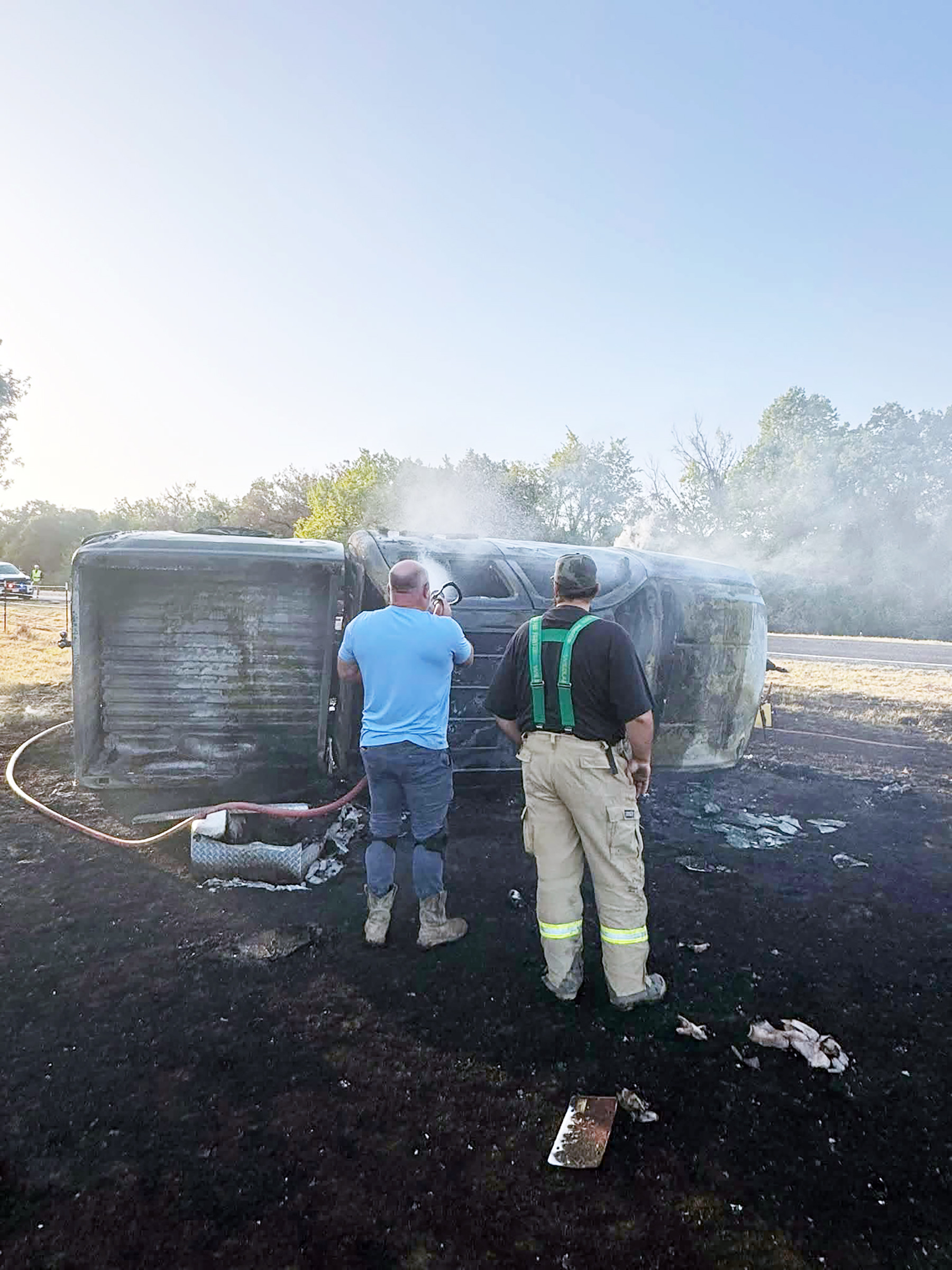
A Wednesday morning rollover on State Highway 59caused a vehicle to catch fire but had no injuries.
Montague County Public Information Officer Sgt. Aaron Randle said the call came in around 7:30 a.m. at the intersection of SH 59 and Nobile Road. When Montague Volunteer Fire Department firefighters arrived, the 2008 Chevy pickup had rolled over and was fully enguled in flames. The17-year-old adult driver was out of the vehicle.
Brandle said the fire was under control at 8:06 a.m. Bowie Emergency Medical Services was also on the scene.
By BARBARA GREEN
editor@bowienewsonline.com
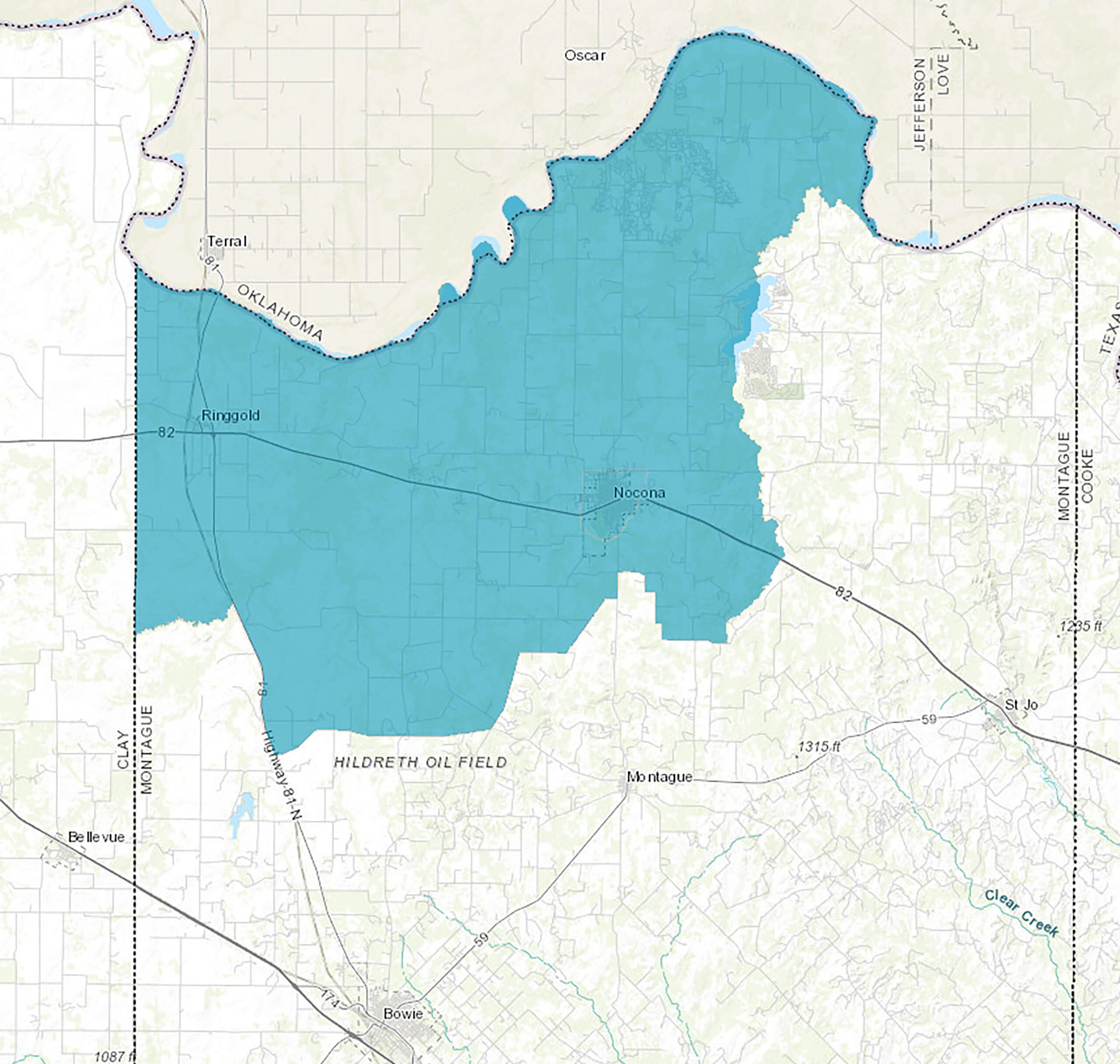
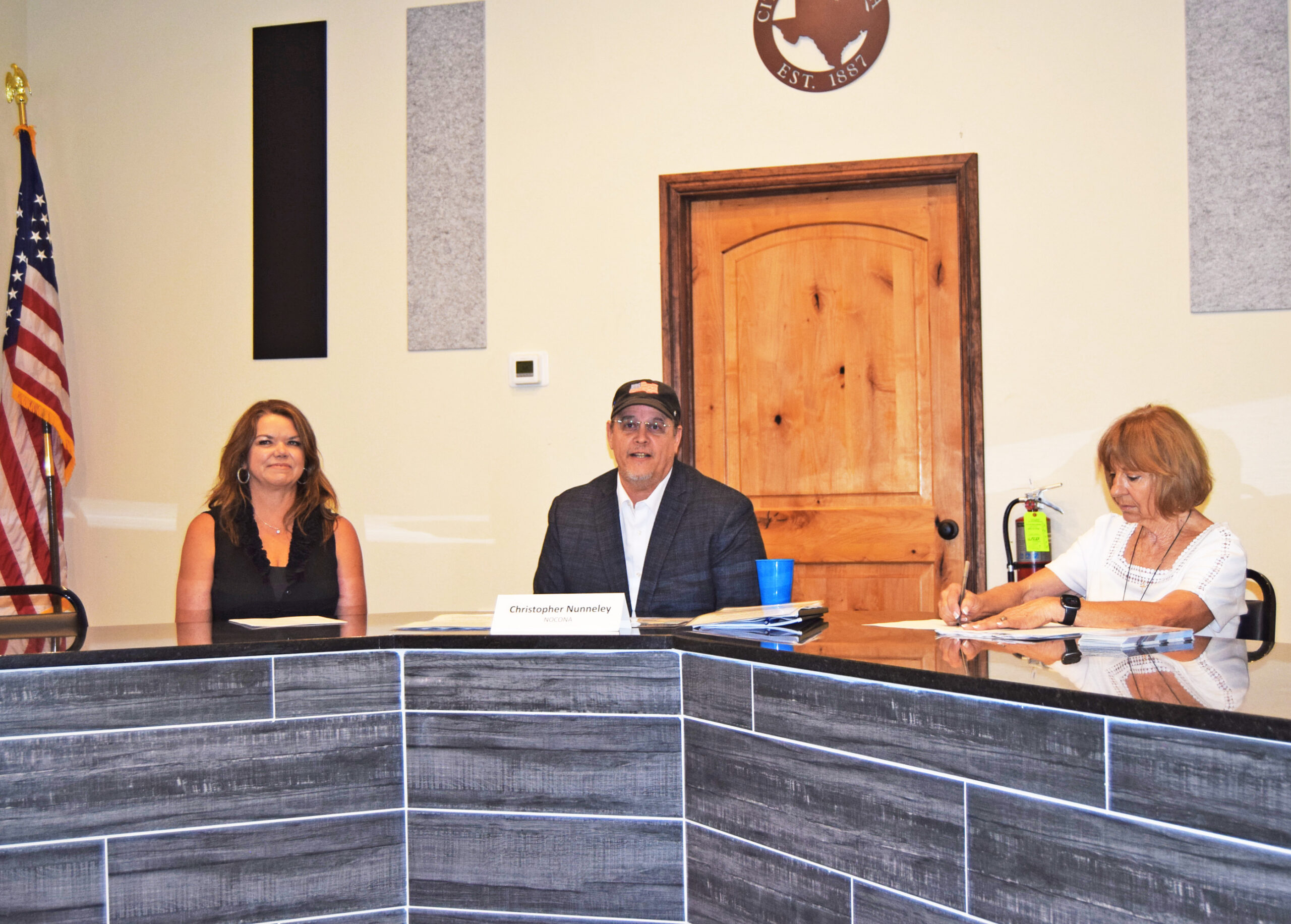
The City of Nocona has been nominated as a rural Opportunity Zone by Texas Governor Greg Abbott and Mayor Christopher Nunneley said they will begin “pitching” this federal tax angle to potential businesses.”
At a Tuesday afternoon press conference Nunneley, Donna Culpepper, executive director for the Nocona Economic Development Corporation and Michelle Page of the Nocona Chamber of Commerce announced the nomination and offered a brief overview of the federal tax incentives that can become available.
Read the full story in the Thursday Bowie News.

Remember Sept. 11 2001, 25 years later
While history will remember Sept. 11, 2001 among the darkest days in America’s history, it also is a day marked not only by tremendous heroism and bravery by first responders, but also every day Americans from all walks of life who showed the world our country would not be intimidated by terrorism.
There were 2,996 people killed during the attacks on Sept. 11, 2001 including 343 firefighters and paramedics, 23 New York city police officers and 37 Port Authority police officers. Tens of thousands more suffered in the aftermath due to exposure to chemicals and industrial debris.
The Bowie News editor asked some local lawmen, firefighters, a pilot and two retired FBI agents their memories of this tragic day and how their jobs were impacted by the events. We thank them for sharing their reflections.
Read the full feature in your Thursday Bowie News.






-

 NEWS3 years ago
Suspect indicted, jailed in Tia Hutson murder
-
 NEWS4 years ago
2 hurt, 1 jailed after shooting incident north of Nocona
-
 NEWS4 years ago
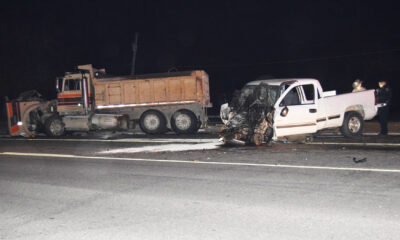
Wreck takes the life of BHS teen, 16
-
 NEWS3 years ago
SO investigating possible murder/suicide
-

 NEWS3 years ago
Murder unsolved – 1 year later Tia Hutson’s family angry, frustrated with no arrest
-
 Show us something good9 years ago
Country music star children perform in Bowie
-
 100th Birthday4 years ago
Looking back at the 1958 Centennial edition of The Bowie News
-
NEWS3 years ago
Sheriff’s office called out to infant’s death