
NEWS
Texas to provide COVID-19 vaccine for large vaccination hubs


Next week, Texas will direct most of the COVID-19 vaccine received from the federal government to large providers who can vaccinate a total of more than 100,000 people. Additional vaccine will be distributed to smaller providers in other parts of the state.
As the vaccination effort continues to expand to people who are at a greater risk of hospitalization and death, in addition to front-line health care workers, these vaccination hubs will provide people in those priority populations with identifiable sites where vaccination is occurring and a simpler way to sign-up for an appointment with each provider.
Providers that receive the larger amounts of vaccine will vaccinate health care workers, people who are 65 and older, and those who have a medical condition that increases their risk of severe disease or death. They also agree to provide a registration phone number and website and focus on areas and populations hardest hit by COVID-19 while vaccinating people from surrounding areas.
The Texas Department of State Health Services surveyed vaccine providers about their capacity to operate large, community vaccination sites the week of Jan. 11 and will publish a list of vaccine hub providers later this week once vaccine allocation is finalized.
Large and small sites around Texas will receive a total of about 200,000 doses of vaccine next week. That will be the last week the state is required to reserve doses to vaccinate residents and staff of long-term care facilities under the federal pharmacy-LTC partnership, freeing up more vaccine for use in other settings in the future.
Vaccine remains limited based on the capacity of the manufacturers to produce it, so it will take time for Texas to receive enough vaccine for the people in the priority populations who want to be vaccinated. The supply is expected to increase in the coming months, and additional vaccines are in clinical trials and may be authorized by the Food and Drug Administration. Providers should use all doses allocated to administer the first dose of vaccine to people. There is no need to reserve shots for a second dose because they will get a matching number of doses for that at the appropriate time.
People can find more information on COVID-19 vaccine and its availability at dshs.texas.gov/coronavirus/immunize/vaccine.aspx.

A boil water order was implemented Monday afternoon for the area served at U.S. Highway 81 from Parker Drive to Old Bowie Lake as water line repairs were made. The order remains in place today. If you are affected by this order and need bottled water call 940-977-4941.

City of Bowie officials report Montague County, TX will be under an ELEVATED FIRE THREAT today. Please be careful. Hear Audio Alert:https://hrpow.us/H9U9gWU
A heat advisory also continues until 8 p.m. tonight. Remember to check on pets and older neighbors. Stay safe.
Photo of a previous grass fire, Bowie News file photo.

By BARBARA GREEN
editor@bowienewsonline.com
While the budget was the primary topics for the Montague County Commissioners on Aug. 10, there were several other topics handled by the court.
Tax Assessor Collector Kathy Phillips presented the certification of value and rates for the 2026 taxes. The certified net values are $3,017,685,102 with rolling railroad stock at $15,954,716.
The county’s total taxable value is $3,033,639,818. Total appraised is $7,930,674,437, total assessed at $3,629,932,719 and total taxable value of new property at $93,632,505.
Read the full story in the Thursday Bowie News.






-

 NEWS3 years ago
Suspect indicted, jailed in Tia Hutson murder
-
 NEWS4 years ago
2 hurt, 1 jailed after shooting incident north of Nocona
-
 NEWS3 years ago
SO investigating possible murder/suicide
-
 NEWS4 years ago
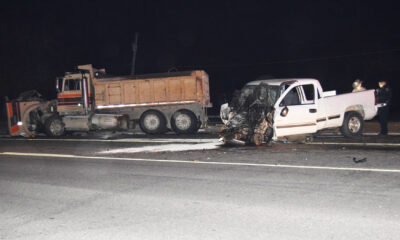
Wreck takes the life of BHS teen, 16
-

 NEWS3 years ago
Murder unsolved – 1 year later Tia Hutson’s family angry, frustrated with no arrest
-
 Show us something good9 years ago
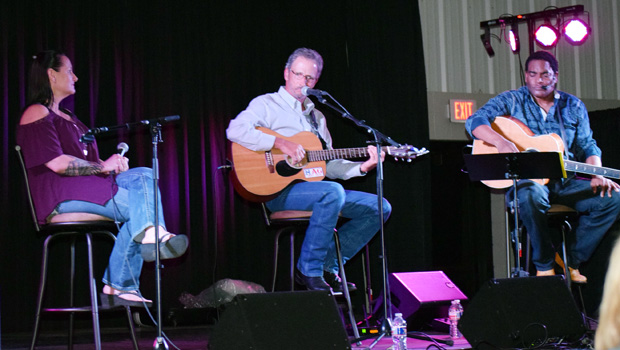
Country music star children perform in Bowie
-
 100th Birthday4 years ago
Looking back at the 1958 Centennial edition of The Bowie News
-
NEWS3 years ago
Sheriff’s office called out to infant’s death