
NEWS
Tax rates across the country


Tax season can be stressful for the millions of Americans who owe money to Uncle Sam. Every year, the average U.S. household pays more than $7,800 in federal income taxes, according to the Bureau of Labor Statistics. And while we’re all faced with that same obligation, there is significant difference when it comes to state and local taxes. Taxpayers in the most tax-expensive states, for instance, pay three times more than those in the cheapest states.
Surprisingly, though, low income taxes don’t always mean low taxes as a whole. For example, while the state of Washington’s citizens don’t pay income tax, they still end up spending over 8% of their annual income on sales and excise taxes. Texas residents also don’t pay income tax, but spend 1.83% of their income on real estate taxes, one of the highest rates in the country. Compare these to California, where residents owe almost 5% of their income in sales and excise taxes, and just 0.77% in real estate tax.
As this year’s tax-filing deadline, April 15, comes closer, it’s
As this year’s tax-filing deadline, April 15, comes closer, it’s fair to wonder which states give their taxpayers more of a break. WalletHub searched for answers by comparing state and local tax rates in the 50 states and the District of Columbia against national medians. To illustrate, we calculated relative income-tax obligations by applying the effective income-tax rates in each state and locality to the average American’s income. Scroll down for the complete ranking, commentary from a panel of tax experts and a full description of our methodology.
Surprisingly, though, low income taxes don’t always mean low taxes as a whole. For example, while the state of Washington’s citizens
As this year’s tax-filing deadline, April 15, comes closer, it’s
Source: WalletHub
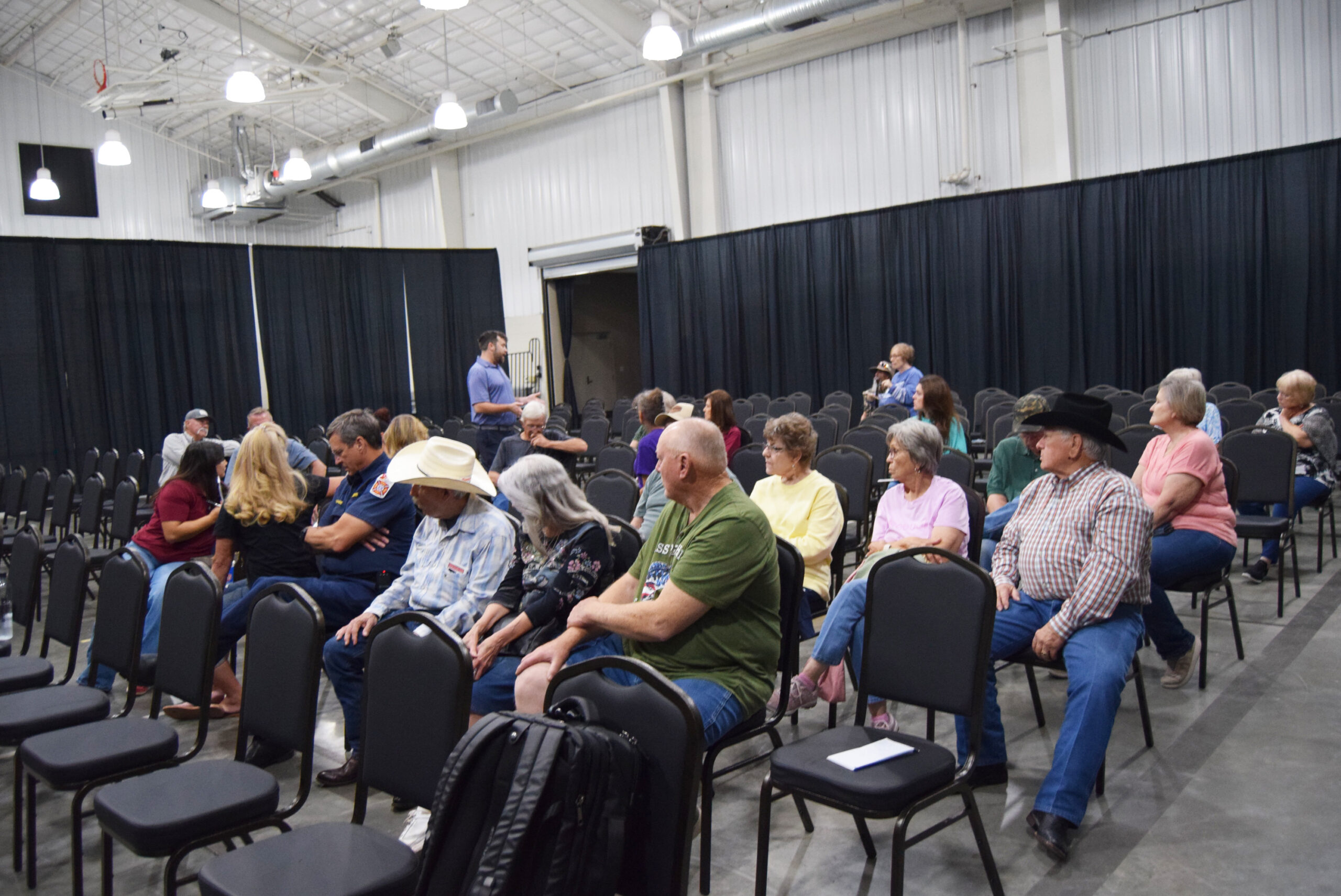
There was a small turnout for the Oct 29 town hall meeting to explain the new emergency transportation plan being offered to residential utility customers in the City of Bowie.
About 25 citizens attended the session at the community center where Will Winters of MASA discussed the plan that will offered to customers and paid for through a $7.75 fee collected on the city utility bill. Every meter is auto enrolled in the plan, but customers can opt out by filling out a form on the city website or at the city finance office.
Customers will have until Nov. 11 as the deadline to opt out before the fee becomes effective on Dec. 1. There also is a process in effective to opt out at a later time. Opting out in the first 90 days qualifies you for a full bill credit refund, but after 90 days, previous fees are non-refundable.
(Top image – Bowie citizens listen to MASA representative Will Winters about details of the program at the city hall MASA meeting Oct. 29.)
Read the full article in your Thursday Bowie News.

The Supertunia Tiara duo debuted in 2025 and in this brief amount of time has become the darling of the landscape. The love and admiration from gardeners across the country including my area of West Georgia and East Alabama has been nothing short of wow.
As much as gardeners treasure their Supertunia Vista Bubblegum petunias, Supertunia Pink Tiara and Blue Tiara are here to say look at me! Oh yes, and both are building a trophy case with awards.
At first, it would seem the Supertunia Tiara Petunias were designed with the artist gardener in mind. While that could be true it is most likely that these petunias are so unique and beautiful that any combination or application you try simply looks ready for canvas.
Read the full Garden Guy column in your Thursday Bowie News.
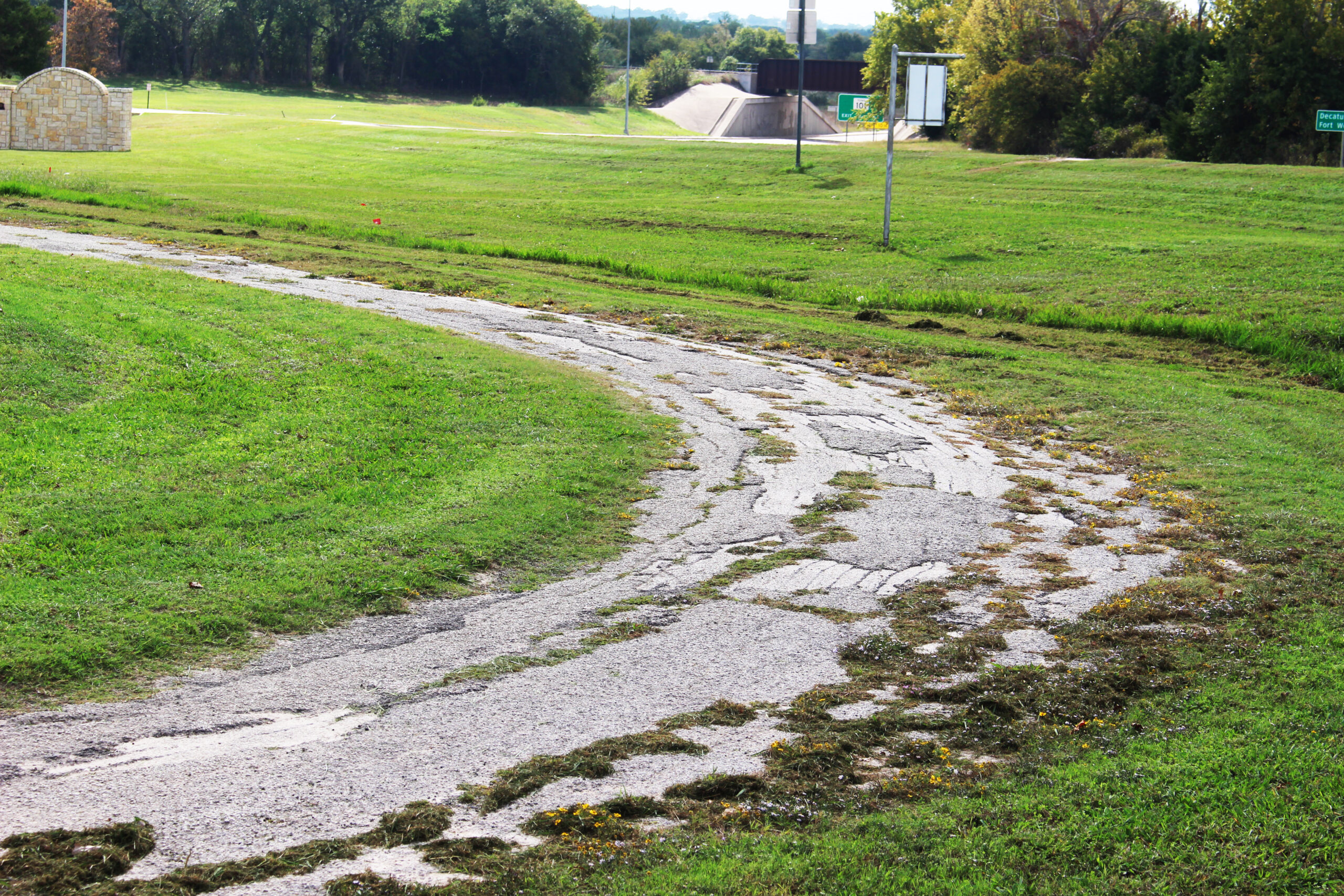
The Bowie City Council approved a $950,000 project to improve the walking path at Pelham Park on Oct. 27.
Bowie Economic Development Corporation Executive Director Janis Crawley said the upcoming project will repave 26,277 square feet of pathway in concrete, spanning about 0.6 miles in length.
The work covers the trail section northeast of the Blade, curving past the soccer fields and toward the swimming pool.
Another section goes around the pool and sport courts, then back down toward the Blade. The project will also widen the trail section to eight feet and add a new 36-foot bridge.
Read the full story in your Thursday Bowie News.






-

 NEWS3 years ago
Suspect indicted, jailed in Tia Hutson murder
-

 NEWS4 years ago
Wreck takes the life of BHS teen, 16
-

 NEWS3 years ago
Murder unsolved – 1 year later Tia Hutson’s family angry, frustrated with no arrest
-
 NEWS4 years ago
SO investigating possible murder/suicide
-
 NEWS4 years ago
2 hurt, 1 jailed after shooting incident north of Nocona
-
 Show us something good9 years ago
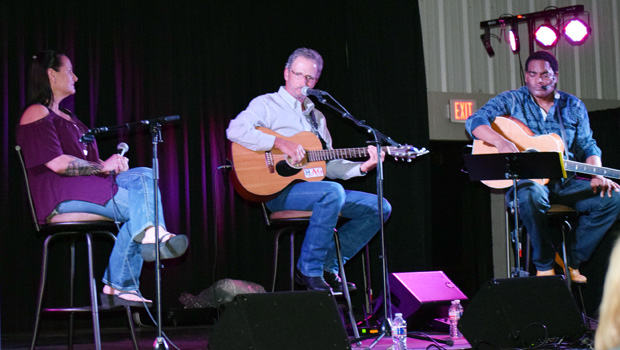
Country music star children perform in Bowie
-
 100th Birthday4 years ago
Looking back at the 1958 Centennial edition of The Bowie News
-
NEWS4 years ago
Sheriff’s office called out to infant’s death