
HEALTHY LIVING
8 home remedies to get longer eyelashes

By StyleCraze
8 Natural Remedies To Get Beautifully Long Eyelashes
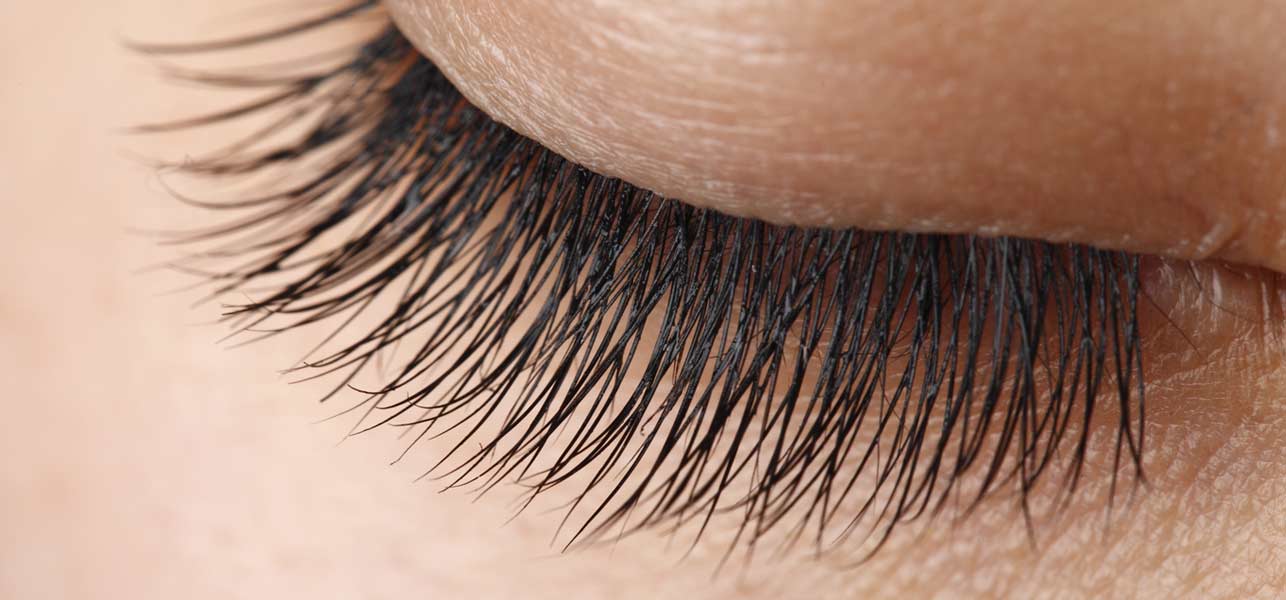
What is the most striking part of your eye? Undoubtedly your eye lashes. No matter what your eye shape and color is, long and full lashes add a quality of mystery that make your eyes so very attractive. To give our eyelashes that dramatic look, we either use mascara or fake eyelashes. But for how long ladies? Why don’t we venture into some natural ways and solutions to grow long eyelashes?
Eyelashes Care is Equally Important as Hair Care:
We care for our hair, so why not our eye lashes too? As routine hair care makes them healthier, taking care of our lashes will show positive results over the course of time. It is easy and you don’t even need to work so much as you do for hair. Whenever, you are trying to embark on a lash care routine, remember that the results will not be visible till the next cycle of the eyelashes. So, you will have to wait patiently for two months before you see any difference in your eye lashes.
Let us take a look at how to naturally make eyelashes longer and beautiful.
1.Remove Eye Makeup at the End of the Day:
Makeup clogs the skin around the eyes which is very thin already. And mascara is very heavy for the lashes. And removing it at night gives a rest to your lashes. The same rule applies here to your eye lashes as your skin as they are both equally delicate.
Also, be very gentle when you are removing your eye makeup. If you are rough with your lashes, they can become sparse and may not grow back as healthy as they are right now. Your eye lashes take longer to grow back than your hair and you don’t want to damage what you currently have.
2. Olive Oil:
Apply olive oil to your lashes. This will help them grow longer and stronger. This is one of the best home remedies to get long eyelashes.
3. A Mix of Olive and Castor Oil:
Mix olive oil and castor oil together
Now apply the resultant oil on your lashes
This will promote eyelash growth
4. Petroleum Jelly:
Pure petroleum jelly (Vaseline) if applied to your lashes regularly at night helps your lashes grow faster and makes them thicker and stronger.
5. Green Tea:
Add green tea leaves to warm water and then apply it to your eye lashes. This promotes healthy lash growth and makes them longer, thicker and stronger.
6. Lemon peels soaked in olive or castor oil:
Soak lemon peels for a few days in olive oil or castor oil
Apply this to your lashes for growth.
7. Trim Your Eyelashes:
This really helps. You can trim your lashes once every two to three months. Just trim a small part (1/4th). Trimming your lashes will stimulate the follicle of your eyelashes and makes them grow faster.
8. Diet:
Along with home remedies for long lashes, you must have a balanced diet. A few foods that are great to boost the health of your eyes and eye lashes are:
Apples
Guavas
Most fruits
Green vegetables.
Eggs
Meat
Fish
Other sources of proteins
Remember:
Make sure you never skip breakfast and include some amount of fat in your daily diet.
Don’t starve yourself to become skinny! Eat healthy and practice regular exercise, whether at the gym or simple brisk walking.
Here are a few products that will help you to boost the growth of your eye lashes:
You can use Lashfood. It is known to be a natural conditioner for the eyelashes.
Lilash is another product that you can use on your eye lashes. It contains lupinusalbus seed extract, glycerin, colloidal silver, silica and pathenol. These are all great to help the growth of your eye lashes.
Latisse works as an eyelash growth booster. It contains an ingredient called Bimatoprost which boosts eye lash growth.
The best and safest way to get great eye lashes is to eat healthy and go for natural treatments that will enhance the growth and keep them healthy.
Try these out and let us know which was your choice of treatment.

How APOL1-mediated kidney disease can impact you, your kidneys and your family
(Family Features) A genetic condition that can cause kidney failure, APOL1-mediated kidney disease (AMKD) represents a group of kidney diseases associated with mutations (changes or variants) in the apolipoprotein L1 (APOL1) genes.
Typically, the APOL1 genes – of which every person has two, one from each parent – create proteins that play a role in immunity. However, some people are born with mutations in one or both genes, and having mutations in both can increase the risk of developing kidney disease and even kidney failure.
In honor of National AMKD Awareness Day on April 30, consider this information from the experts at the American Kidney Fund to better understand the disease and become APOL1 aware.
Understanding Risk Factors
Research shows Black people with kidney disease are more likely to develop kidney failure than any other racial or ethnic group. The reasons for these health disparities include social determinants of health, a higher burden of diabetes and high blood pressure in the Black community, barriers to health care access and genetics.
The APOL1 gene mutations evolved over the past 3,000-10,000 years in people who lived in western and central Africa and are associated with increased protection from a parasite carried by the tse tse fly that causes African sleeping sickness. While protecting from one disease, the mutation – if inherited in both APOL1 genes – is more likely to lead to kidney disease in those of certain African descent, including people who identify as Black, African American, Afro-Caribbean or Latina or Latino.
In fact, an estimated 13% of Black Americans have two APOL1 gene mutations, according to the American Kidney Fund. While not everyone who has two APOL1 mutations will get kidney disease, there is a 1 in 5 chance they will go on to develop AMKD.
Identifying Symptoms
If you have kidney damage, symptoms may not occur until your kidneys are close to failing. As kidney damage worsens, one or more of these symptoms may occur:
- Protein in urine
- Swelling in legs or weight gain
- Feeling weak or tired
- High blood pressure
Should these symptoms occur and you have a family history of kidney disease, talk to a doctor about getting tested for kidney disease, as testing is the only way to determine kidney function. AMKD can cause damage to parts of the kidney that filter blood or, in some cases, cause cells in the kidneys to die, which can lead to damage and scarring that may eventually lead to kidney failure.
Getting a Diagnosis
The only way to know if you have APOL1 gene mutations is to do genetic testing via a blood or saliva sample. Genetic testing may be considered if you have kidney disease and don’t know the cause or if you’re considering donating a kidney. Testing may also be considered if a family member is a carrier for the mutation. If you have questions about genetic testing, discuss your options with a doctor or ask for a referral to a genetic counselor.
Taking Steps to Prevent Kidney Disease
There are currently no treatments available for AMKD. However, there are steps you can take to protect your kidneys and promote general health. Work with your doctor to create a plan to prevent or delay the progression of kidney disease, which may include:
- Doctor visits to check how your kidneys are working through urine and blood tests
- Checking for and managing diabetes and high blood pressure
- A healthy eating plan, which may involve limiting things like sodium (salt)
- Taking prescription medications as directed
- Being active at least 30 minutes each day of the week
- Quitting smoking or using tobacco
If you have the APOL1 gene mutations, you may be able to take part in clinical trials. Trials could provide an opportunity for researchers to develop and test safe treatments for AMKD. Also speak with family members about having genetic testing done if you have the mutation as they may also have it.
Learn more and find additional resources at kidneyfund.org/APOL1aware.
Photo courtesy of Shutterstock
SOURCE:
American Kidney Fund

(Family Features) Despite the attention drawn to the topic of concussions over the past decade, it can be difficult to find readily available answers about what parents and young athletes should do after sustaining a concussion.
The Katsuyama family started 2023 without a single concussion, even with quite a few hockey and lacrosse seasons under its belt. That changed when Rylan, 11, received two concussions within five months from sports. One week after Rylan’s second concussion, his brother, Brandon, 13, was illegally checked from behind in a hockey game and sustained his first concussion. After clearing protocol in four weeks, he suffered a second concussion six weeks later.
Both boys endured months of headaches, missed school, dizziness, nausea and the added difficulty of navigating a significant injury peers and adults couldn’t see.
Their father, Brad Katsuyama, co-founder of IEX – a disruptive stock exchange featured in the best-selling book by Michael Lewis, “Flash Boys: A Wall Street Revolt” – sought out expert opinions to guide his family’s decisions and shares some acquired knowledge to help parents and athletes.
1. Brain injuries should be diagnosed by a concussion specialist.
There is no X-ray, MRI or CT scan that can show the extent of most concussion-related injuries, which makes diagnosing them subjective. Symptoms can also appear days after a hit. For example, Brandon was cleared by the emergency room after his first concussion, but two days later failed every test administered by a doctor specializing in concussions.
2. Rushing back to play is one of the worst mistakes you can make.
Experts consistently reinforced that coming back from a concussion too soon can significantly increase long-term brain injury risks. There is likely no tournament, playoff game or tryout worth this risk. An example of how to return smartly is Patrice Bergeron of the National Hockey League’s Boston Bruins, who sat out an entire year to properly heal from a concussion.
“Patrice had four more concussions over his career, and each one was less severe than the last,” renowned concussion specialist Dr. Robert Cantu said. “That wouldn’t have happened without recovery from the first one.”
3. Parents and kids need to be honest about symptoms.
The culture in youth sports praises toughness. Getting your “bell rung” and continuing to play can be viewed as a badge of honor. However, this same mentality can cause athletes to lie to parents, trainers and coaches to get back in the game, which can greatly increase long-term risks. Conversely, the same adults can unduly influence a potentially vulnerable player back on to the field of play. Proper diagnosis requires both adults and athletes to be level-headed and honest in their assessment of concussions.
4. Every person and every concussion is different.
One person’s history and experience with concussions seldom carries any relevance to the concussions experienced by another. For example, Katsuyama played varsity football, hockey and rugby for four years in high school and football in college.
“For the longest time, my definition of a ‘real’ concussion was blacking out, vomiting or pupils dilating,” Katsuyama said. “My sons had none of those symptoms after their hits, but it turns out the severity of their injuries were far greater than anything I had experienced.”
The Katsuyamas turned to the Concussion Legacy Foundation and the Cantu Concussion Center, in addition to their local concussion specialist, to advise their path forward, which has led them to racquet sports and golf in the near-term and long-term playing no more than one contact sport in a school year. Learn more at concussionfoundation.org.
Photo courtesy of Shutterstock
SOURCE:
Brad Katsuyama

(Family Features) Heart disease is the nation’s leading cause of death for men and women, according to the Centers for Disease Control and Prevention, but many people aren’t aware they may be at elevated risk. More than 71 million adults in the United States have high low-density lipoprotein (LDL) cholesterol and nearly 50 million don’t have it under control, which puts them at higher risk for cardiovascular events, such as heart attack and stroke.
What’s more, nearly one-third (31%) of U.S. adults are not aware that having high cholesterol puts them at greater risk for heart attack and stroke, according to the findings of a recent study conducted by The Harris Poll commissioned by Esperion Therapeutics, Inc. The poll also revealed some inconsistent understanding about treatment options available for those with uncontrolled cholesterol. Fully 3 in 10 (30%) of those taking statins believe statins are the only LDL lowering treatment available for those with high LDL cholesterol.
“In auto racing, the red flag means danger on the track, stopping the race immediately,” said Dr. JoAnne Foody, chief medical officer at Esperion. “We are launching a patient education program, ‘Wave the Red Flag,’ to encourage people with uncontrolled high cholesterol to have their levels checked right away and discuss appropriate treatment options with their health care provider.”
If your high cholesterol is uncontrolled, understanding how you can achieve greater control can reduce your risk for serious health conditions, including potentially life-threatening cardiovascular events.
Consider these tips to get high cholesterol under control.
Talk with your doctor. Speaking with your physician is an important first step to managing any health condition. Your doctor can help you understand the severity of your condition and whether a treatment plan should be moderate or aggressive.
Check your progress. Keeping tabs on your cholesterol can help you and your health care team gauge whether your treatment plan is working. If you don’t have heart disease, you may not need to check as frequently, but your doctor can recommend the appropriate intervals to help manage your cholesterol most effectively.
Take medications as prescribed. Statins are the medications most often recommended by treatment guidelines for the management of blood cholesterol, and nearly one-third (30%) of those taking statins believe they are the only cholesterol-lowering treatment available, according to the survey. However, even with maximal statin therapy, some patients with chronic disease do not meet recommended LDL cholesterol levels. Taking your medications regularly and as instructed helps your doctor determine whether additional therapies – including non-statin treatments – could be useful to help manage your blood cholesterol.
Make lifestyle adjustments. Your diet plays a major role in lowering LDL cholesterol. Limiting fatty foods, especially those that are high in saturated and trans fats, is key. Monitoring your overall diet and exercising can also help reduce your risk of high cholesterol. Even if you don’t have high cholesterol, adopting more cholesterol-friendly habits can help prevent your levels from rising to unhealthy levels in the future.
To find additional information about managing your high cholesterol, talk to your health care provider and visit WaveTheRedFlag.info.
Fast Facts About Cholesterol
What is cholesterol?
The liver creates a fat-like waxy substance called cholesterol. It serves useful purposes for the body, including producing hormones and helping digest food.
How do you get high cholesterol?
The human body makes all the cholesterol it needs naturally, so any cholesterol you eat is cholesterol you don’t need. However, it can be difficult to avoid because you can find dietary cholesterol in many common foods, including meat, seafood, poultry, eggs and dairy. Other non-dietary contributing factors include health conditions like obesity and diabetes, as well as family history and advancing age.
What is a normal cholesterol level?
An average optimal level of LDL cholesterol is about 100 milligrams per deciliter (mg/dL).
An average optimal level of high-density lipoprotein, or HDL, cholesterol is at least 40 mg/dL for men and 50 mg/dL for women. HDL cholesterol can actually lower your risk of heart disease and stroke.
Are there symptoms of high cholesterol?
Unlike many health conditions, there are rarely any symptoms that your cholesterol is high. That’s what makes regular screening so important.
Photos courtesy of Shutterstock
SOURCE:
Esperion





-
 NEWS1 year ago
2 hurt, 1 jailed after shooting incident north of Nocona
-

 NEWS6 months ago
Suspect indicted, jailed in Tia Hutson murder
-
 NEWS1 year ago
SO investigating possible murder/suicide
-

 NEWS1 year ago
Wreck takes the life of BHS teen, 16
-

 NEWS9 months ago
Murder unsolved – 1 year later Tia Hutson’s family angry, frustrated with no arrest
-
NEWS12 months ago
Sheriff’s office called out to infant’s death
-
 NEWS1 year ago
Bowie Police face three-hour standoff after possible domestic fight
-
NEWS1 year ago
Driver stopped by a man running into the street, robbed at knifepoint