
NEWS
Texas counties protecting election integrity


AUSTIN — As Texans go to the polls March 3, Texas county election officials want to assure voters they are taking precautions to ensure the integrity of every vote cast.
In Texas, county government conducts most elections, from local to national polling, in their respective counties. County election officials have implemented new, state-mandated procedures to increase election security and transparency. These precautions include enhanced candidate information and election results reporting requirements. Counties also must complete annual training and adhere to a specific process for breach notification and remediation.
“Texas county clerks, elections administrators and voter registrars manage elections from the school board to the U.S. president,” said TAC Executive Director Susan M. Redford. “We’ve all heard the warnings of attacks on our voting systems. Texans can be reassured that our county clerks and other election officials strive to improve voter confidence in the election process, having worked with the state to implement procedures that make their preparation and Election Day work more transparent and secure.”
Last year, the Texas Legislature passed House Bill 1421, which added cybersecurity requirements to the Election Code (Chapter 279). HB 1421 added best practices for reducing the risk of electronic vote tampering and other cybersecurity measures. The law requires county election officials to take annual cybersecurity training and request a cybersecurity assessment of their county’s election system by the Texas Secretary of State Elections Division.
“This year we implemented tightened safety measures to make sure our elections are more secure,” said Hays County Elections Administrator Jennifer Anderson. “We were one of the first counties to complete the state’s election security assessment. Our focus was on the security of our voting equipment, chain of custody and facilities, particularly on equipment storage when it is not in use.”
For more on Texas counties’ elections role, visit http://www.texascountiesdeliver.org/ or watch https://youtu.be/qL_4pdF3IBI.

After nearly three months of no rain, Mother Nature brought the showers this past week.
Downtown Bowie rain reports varied from 7 to 8 inches, while the Saint Jo area reported a 10-inch total. The city water plant in Bowie reported 5.55 inches on Sept. 30 with 1.6 Oct. 1-3.
Nocona saw a total of 6.31 inches of rain across Sept. 26 to Oct. 3.
On Oct. 6, Lake Amon G. Carter saw a level of 917.39 mean sea level rising to 81.31% full. Just one week earlier the lake was 73.6% full, while one year ago it was 94.01%. The lake is full at 920msl.
Lake Nocona was 73.7% full at 823.02 on Oct 6. One week earlier it was 70.41% full and one year ago it was 92.41%. The lake is full at 827.5 msl.

By BARBARA GREEN
editor@bowienewsonline.com
One Montague County City has joined the battle against any data centers being built in this county and there is a petition drive underway to urge the commissioner’s court to keep data centers out of Montague County.
At a Sept. 28 called meeting of the Saint Jo City Council, officials unanimously approved a resolution stating its opposition to the “siting, permitting, construction or operation of data centers and similar hyperscale computing facilities within the city limits or the city’s extraterritorial jurisdiction.”
City Secretary Debbie Dennis said several citizens approached Councilor Jack Dunn about their data center concerns and he helped prepare a resolution. The council gave unanimous support.
Read the full story in your Thursday Bowie News.
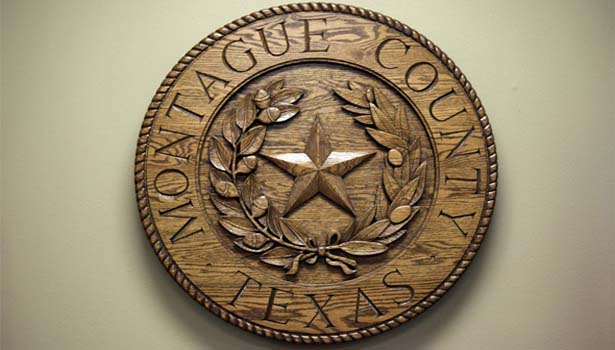
Montague County Judge Kevin Benton has signed an order lifting the outdoor burn ban effective Oct. 7.
Persons are still urged to be cautious when they are out working in the countryside to avoid any spark that could cause a wildfire.






-

 NEWS3 years ago
Suspect indicted, jailed in Tia Hutson murder
-

 NEWS4 years ago
Wreck takes the life of BHS teen, 16
-
 NEWS4 years ago
2 hurt, 1 jailed after shooting incident north of Nocona
-
 NEWS3 years ago
SO investigating possible murder/suicide
-

 NEWS3 years ago
Murder unsolved – 1 year later Tia Hutson’s family angry, frustrated with no arrest
-
 Show us something good9 years ago
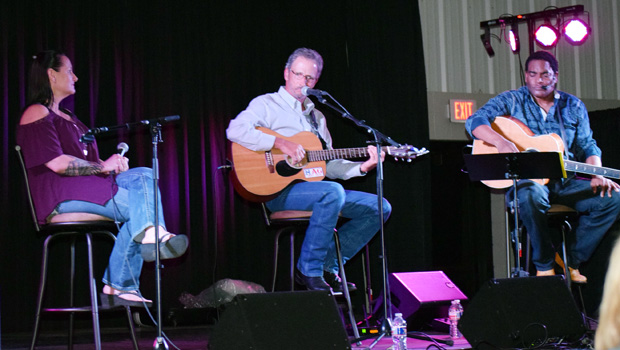
Country music star children perform in Bowie
-
 100th Birthday4 years ago
Looking back at the 1958 Centennial edition of The Bowie News
-
NEWS3 years ago
Sheriff’s office called out to infant’s death