
HOME
Roe V. Wade

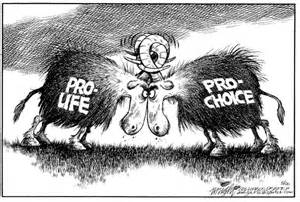
In the 1700s and early 1800s, the word “abortion” referred only to the termination of a pregnancy after “quickening,” the time when the fetus first began to make noticeable movements. The induced ending of a pregnancy before this point did not even have a name–but not because it was uncommon. Women in the 1700s often took drugs to end their unwanted pregnancies.
In 1827, though,Illinois passed a law that made the use of abortion drugs punishable by up to three years’ imprisonment. Although other states followed the Illinois example, advertising for “Female Monthly Pills,” as they were known, was still common through the middle of the 19th century.
Abortion itself only became a serious criminal offense in the period between 1860 and 1880. And the criminalization of abortion did not result from moral outrage. The roots of the new law came from the newly established physicians’ trade organization, the American Medical Association. Doctors decided that abortion practitioners were unwanted competition and went about eliminating that competition. The Catholic Church, which had long accepted terminating pregnancies before quickening, joined the doctors in condemning the practice.
By the turn of the century, all states had laws against abortion, but for the most part they were rarely enforced and women with money had no problem terminating pregnancies if they wished. It wasn’t until the late 1930s that abortion laws were enforced.Subsequent crackdowns led to a reform movement that succeeded in lifting abortion restrictions in California and New York even before the Supreme Court decision in Roe v. Wade.
The fight over whether to criminalize abortion has grown increasingly fierce in recent years, but opinion polls suggest that most Americans prefer that women be able to have abortions in the early stages of pregnancy, free of any government interference.
– History.com Staff
Click HERE for more stories like this one.
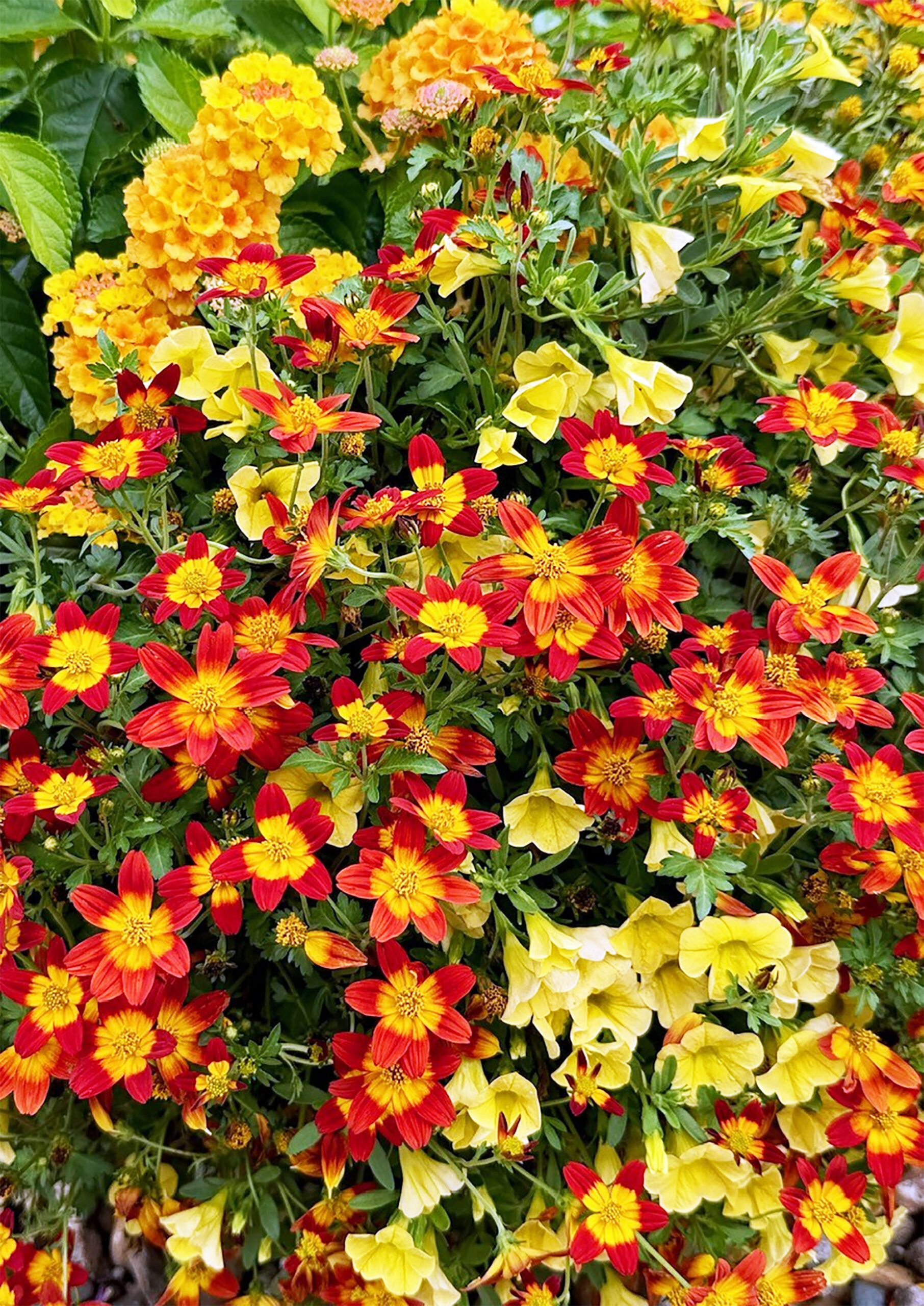
This summer the plant trials have been riotous in their displays of colors in the recipe section.
One that caught my eye this year was Merry Go Round which was full of colors from the hot side of the color wheel. One featured plant was Campfire Red Ember.
Red Ember is one of the three in the Campfire series. Campfire Marshmallow, Campfire Flame and Campfire Red Ember. They are known botanically as Bidens and are native to Mexico and the Southwest.

I don’t think any of us need the government to tell us groceries are expensive. We know it when we stand in the meat aisle and lower our standards real fast from 90% lean to 80% lean hamburger meat.
Still, the numbers are interesting.
According to the latest Bureau of Labor Statistics report, grocery prices in July were 2.7% higher than they were a year ago. Beef is where things really hurt. Beef prices were up 9.4% from last July, and uncooked ground beef was up 9%.
Chicken, on the other hand, was actually down 2.7% over the same period, which makes it one of the better bargains in the meat case right now.
The BLS average-price survey puts a pound of ground chuck at $6.85 in July. Two years ago, in July 2024, that same national average was $5.47.
So maybe it is time to resurrect something our mothers and grandmothers understood very well.
Read the full On the Table feature in the Sept. 17 Bowie News.
Big-Pan Chicken Spaghetti
A pound of diced chicken can disappear beautifully through an entire pan of pasta.
Ingredients
- 1 pound boneless chicken, diced
- 12 ounces spaghetti
- 1 small onion, chopped
- 1 can cream of chicken soup
- 1 can cream of mushroom soup
- 1 can Rotel-style tomatoes
- 1 cup chicken broth
- 2 cups shredded cheese, divided
- 1 teaspoon garlic powder
- Salt and pepper
Cook spaghetti just until tender and drain.
Meanwhile, sauté diced chicken and onion until chicken is cooked through.
Mix spaghetti, chicken, soups, tomatoes, broth, garlic powder and 1 cup cheese. Spread into a greased 13×9 pan.
Top with remaining cheese and bake at 350 degrees for 25 to 30 minutes.
Have half a bag of frozen peas, broccoli or mixed vegetables lingering in the freezer? Throw them in. This is a forgiving recipe.
Serves 8 to 10.
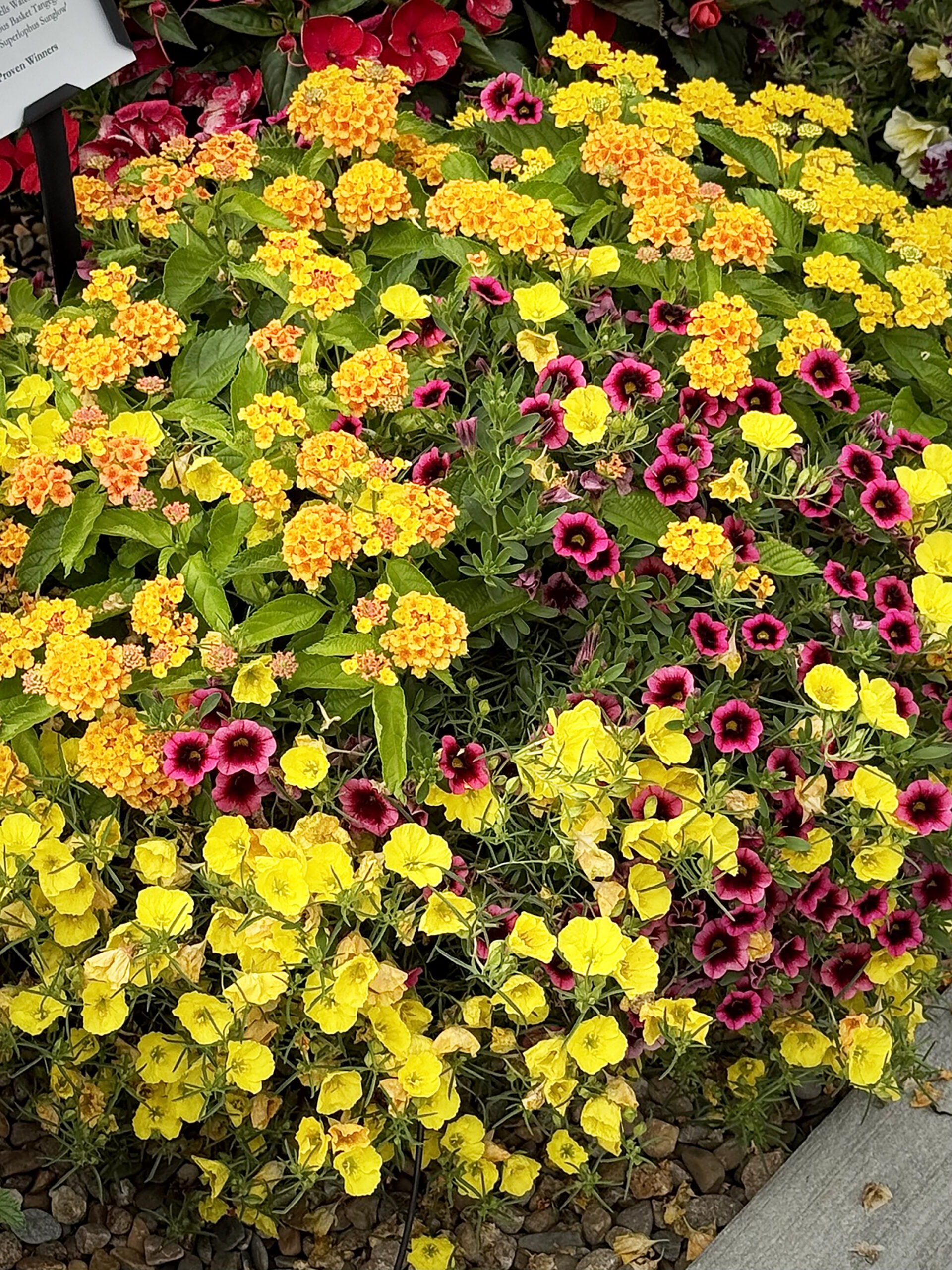
Perfect Score, Director’s Select, Best of the Best and Leader of the Pack are just a few of the awards for Superlophus. I’m also reasonably sure you are thinking: What is a Superlophus?
Superlophus Sunglow is the official name botanically known as an Oenothera commonly called Texas Primrose. That’s right: This golden yellow flower that is a non-stop bloomer and tough-as-nails is a native selection and winner of 15 awards from Canada to Mississippi.
Read the full Garden Guy feature in the Thursday Bowie News.






-

 NEWS3 years ago
Suspect indicted, jailed in Tia Hutson murder
-

 NEWS4 years ago
Wreck takes the life of BHS teen, 16
-
 NEWS4 years ago
2 hurt, 1 jailed after shooting incident north of Nocona
-
 NEWS3 years ago
SO investigating possible murder/suicide
-

 NEWS3 years ago
Murder unsolved – 1 year later Tia Hutson’s family angry, frustrated with no arrest
-
 Show us something good9 years ago
Country music star children perform in Bowie
-
 100th Birthday4 years ago
Looking back at the 1958 Centennial edition of The Bowie News
-
NEWS3 years ago
Sheriff’s office called out to infant’s death