
COUNTY LIFE
Poinsettias: Texas’ mark on the festive flower

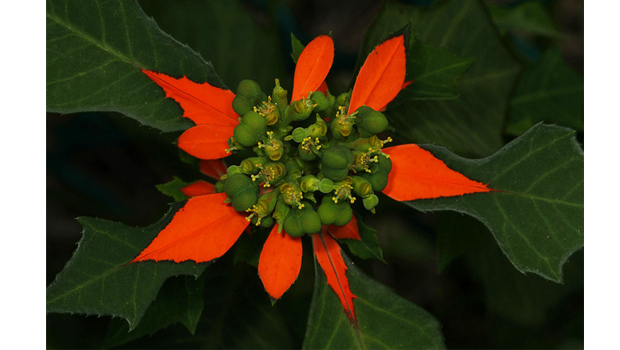
By U.S. Sen. John Cornyn, R-Texas
‘Tis the season of anticipation, and all around us are signs of the upcoming celebration. In church courtyards, three wise men eagerly look upon still-empty mangers. Elsewhere, some unsuspecting Texans have already seen their first snowfall of the season – or even the decade. And all across the state, Christmas lights twinkle at nightfall, while during the day, vibrant red poinsettias keep the mood merry and bright.
Poinsettias have become a staple of the season, but did you know the Christmas flower has ties to the Texas border?
In 1825, President John Quincy Adams appointed the first U.S. Minister to Mexico: Joel Roberts Poinsett. Poinsett travelled south to Mexico with the task of renegotiating the U.S.-Mexico border and bringing Texas into the U.S. once and for all. At that time, the southern border of the U.S. sat at the Red River, north of modern-day Texas. President Adams dreamed of the United States extending all the way south to the Rio Grande River, and he was willing to pay one million dollars for that prize.
Of course, Mexico saw great value in Texas and did not budge.
Unfortunately for him, Poinsett never succeeded in his mission of purchasing Texas. However, during his failed attempt in moving the U.S.-Mexico border, the amateur botanist discovered a plant near Taxco de Alarcón so beautiful that he cut its stems and had them sent back home to the United States.
He mailed the vibrant red blooms to friends, fellow botanists, and botanical gardens across the country, and by 1836 – the very same year Texas won its independence from Mexico – the flowers had become widely known across the country not by their scientific name (Euphorbia pulcherrima), but by the name of the diplomat who brought them here: poinsettias.
Today, Texas is a top poinsettia producer, although cultivating the red Christmas poinsettias is no easy feat. To grow the brightest blossoms, poinsettias require at least five consecutive twelve-hour nights and warm, bright sunny days. These plants still grow best in the Taxco region of Mexico, where Joel Roberts Poinsett found them almost two centuries ago, and where they’re still known as Flores de Nochebuena (Christmas Eve flowers). Texas’ own native poinsettia has a distinct splash of red-orange, and is therefore aptly called the “Painted” Poinsettia or the “Fire on the Mountain” Poinsettia.
During Christmastime in Texas, poinsettias of all kinds adorn town squares, gardens, and homes. In Big Spring, Texas, the annual ‘Poinsettias in the Park’ attraction features multiple enormous metal poinsettias wrapped in Christmas lights. The Concho Christmas Celebration is also known for its life-like poinsettia light exhibit. And the winter wonderland display at the Gaylord Texan hotel in Garland, Texas boasts more than 2,000 live poinsettias in all.
As you see these famed poinsettia displays and others in Texas this season, I hope you’ll take a moment to remember their history. To all Texans who produce, decorate with, and admire the beauty of poinsettias, I wish you and your family a very merry Christmas.
Senator John Cornyn, a Republican from Texas, is a member of the Senate Finance, Intelligence, and Judiciary Committees.
The Montague County Commissioner’s Court will meet at 9 a.m. on Oct. 12 in the County Courtroom at the Courthouse Annex in Montague.
Commissioners are scheduled to consider issuing a proclamation declaring October as Domestic Violence Awareness Month within Montague County.
The court also will consider accepting $850 in unanticipated revenue for the sheriff’s office generated during National Night Out activities, alongside interlocal cooperation contracts between the Texas Department of Public Safety and Justices of the Peace for Precincts 1 and 2.
An executive session is scheduled to discuss personnel matters pertaining to sewer/septic inspector for the county. Any action would be taken back in open session.
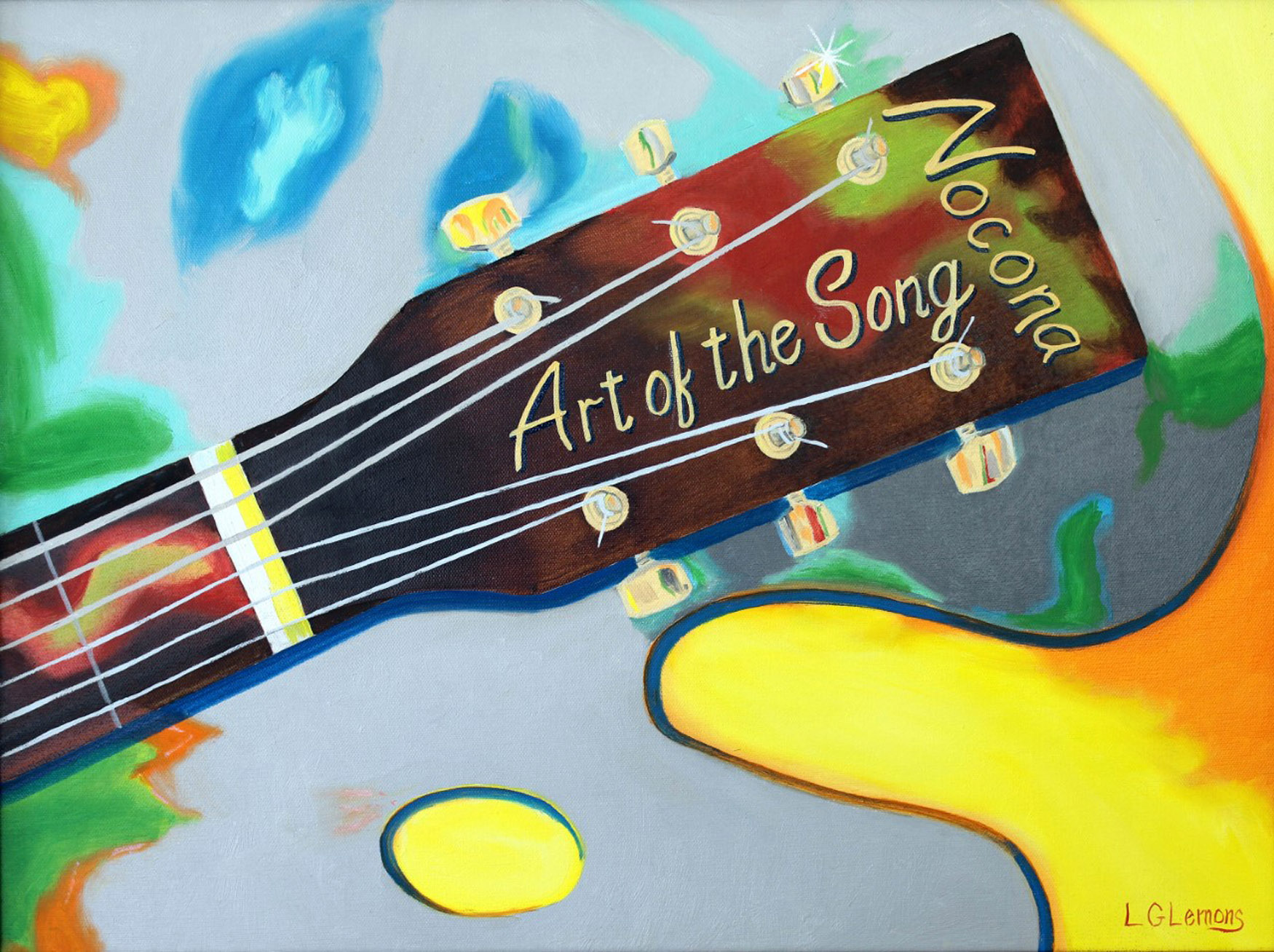
The Oct. 9-11 Art of the Song Music and Art Festival opens Friday night for three days of art and entertainment in downtown Nocona.
The festival opens on Oct. 9 with a Chisholm Trail Art Association Preview Party from 5 to 7 p.m. on Oct. 9 at the H.J. Justin Building.
Come see all the entries for the adult show, which formally opens at 10 a.m. on Oct. 10.
Live music will be played by Full Circle Band.
Also on Oct. 9 enjoy a Nocona Nights Street Dance from 7 to 9 p.m. with the Mark Murphey and Highway 82 Band. Cost is $10 per ticket and $200 for a table seating eight. Bring your lawn chairs.
Read the full schedule of events for the festival in your Thursday Bowie News.
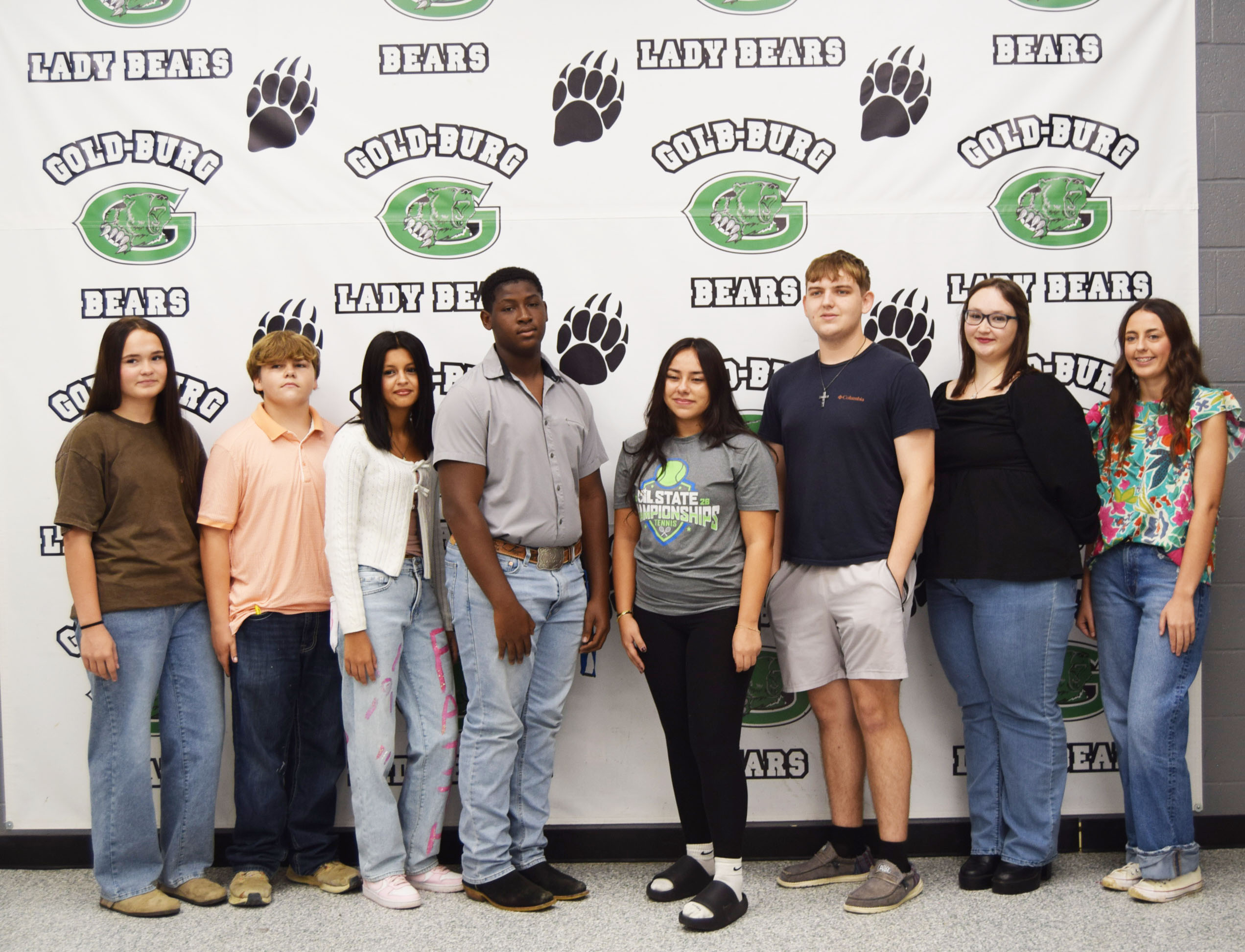
These students are nominees for the 2026 homecoming court at Gold-Burg High School. Homecoming royals will be crowned in pre-game ceremonies before the Bears take on Throckmorton at 7:30 p.m. on Oct. 9. Pictured are: Freshmen: Kenzley Foster and Jackson Allen, freshmen; Yareli Aguirre and Jojuan Grace, sophomores; Zara Andrade, junior and Brayden Odom, Kaylie Duncan, both seniors. Not pictured: Caleb Epperson, junior and Keelyn Case, senior.






-

 NEWS3 years ago
Suspect indicted, jailed in Tia Hutson murder
-

 NEWS4 years ago
Wreck takes the life of BHS teen, 16
-
 NEWS4 years ago
2 hurt, 1 jailed after shooting incident north of Nocona
-
 NEWS3 years ago
Murder unsolved – 1 year later Tia Hutson’s family angry, frustrated with no arrest
-
 NEWS3 years ago
SO investigating possible murder/suicide
-
 Show us something good9 years ago
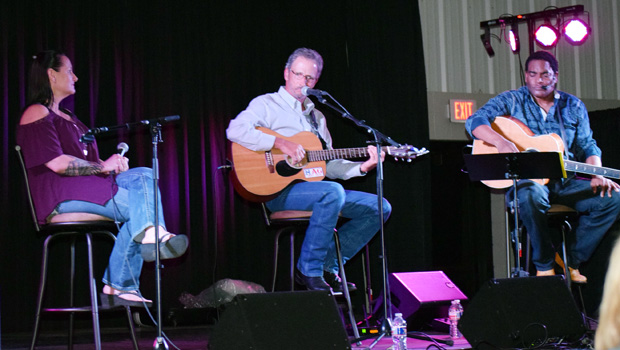
Country music star children perform in Bowie
-
 100th Birthday4 years ago
Looking back at the 1958 Centennial edition of The Bowie News
-
NEWS3 years ago
Sheriff’s office called out to infant’s death