
COUNTY LIFE
American Red Cross announces national blood crisis

The American Red Cross is facing a national blood crisis – its worst blood shortage in over a decade, posing a concerning risk to patient care. Amid this crisis, doctors have been forced to make difficult decisions about who receives blood transfusions and who will need to wait until more products become available. Blood and platelet donations are critically needed to help prevent further delays in vital medical treatments.
“While some types of medical care can wait, others can’t,” said Dr. Pampee Young, chief medical officer of the Red Cross. “Hospitals are still seeing accident victims, cancer patients, those with blood disorders like sickle cell disease, and individuals who are seriously ill who all need blood transfusions to live even as Omicron cases surge across the country. We’re doing everything we can to increase blood donations to ensure every patient can receive medical treatments without delay, but we cannot do it without more donors. We need the help of the American people.”
The Red Cross asks the country to roll up a sleeve to help ensure people receive the care they need. Make an appointment to give blood or platelets as soon as possible by using the Red Cross Blood Donor App, visiting RedCrossBlood.org or calling 1-800-RED CROSS (1-800-733-2767)
The Red Cross has experienced a 10% decline in the number of people donating blood since the beginning of the pandemic and continues to confront relentless issues due to the pandemic, including ongoing blood drive cancellations and staffing limitations. Adding to the concern is the surge of COVID-19 cases.
The Red Cross has experienced low donor turnout ever since the delta variant began spreading in August, and that trend continues as the Omicron variant takes over.
All types are needed now, especially types O positive and O negative, as well as platelet donations, to help reverse this national blood crisis. If there is not an immediate opportunity available to donate, donors are asked to make an appointment in the days and weeks ahead to ensure the Red Cross can replenish and maintain a sufficient blood supply
Blood donation challenges
Supplying 40% of the nation’s blood, the Red Cross has had to limit blood distributions to hospitals in recent weeks. In fact, on certain days, some hospitals may not receive as much as one-quarter of the blood products requested. Blood cannot be manufactured or stockpiled and can only be made available through the kindness of volunteer donors.
All of this comes as January marks National Blood Donor Month, a time to raise awareness about the need for blood donations when regular seasonal illnesses like colds and the flu, as well as winter weather often leads to a decline in donations.
“Every community in America needs blood on a daily basis. At a time when many businesses and organizations across the country are experiencing pandemic challenges – the Red Cross is no different. And while we are all learning how to live in this new environment, how we spend our time, where we work, how we give back, how we make a difference in the lives of others – donating blood must continue to be part of it,” added Dr. Young.
Special thank you
The Red Cross and the NFL are partnering this January, during National Blood Donor Month, to urge individuals to kick off 2022 with a blood or platelet donation.
Those who come to give blood, platelets or plasma in January will automatically be entered for a chance to win a getaway to Super Bowl LVI in Los Angeles. As an extra thank-you from the Red Cross, those who come to donate will also be automatically entered to win a home theater package and a $500 e-gift card. Terms apply; visit RedCrossBlood.org/SuperBowl for more information.
Blood drive volunteers needed
In addition to blood donors, the Red Cross also needs the help of volunteers to support critical blood collections across the country. Blood drive volunteers play an important role by greeting, registering, answering questions and providing information to blood donors throughout the donation process. Blood transportation specialists – another volunteer opportunity – provide a critical link between blood donors and blood recipients by delivering blood to hospitals in communities across the country. To volunteer to support Red Cross blood collections, please visit redcross.org/volunteertoday.
COVID-19 safety protocols
Each Red Cross blood drive and donation center follows the highest standards of safety and infection control. Individuals who have received a COVID-19 vaccine are still eligible to donate blood and platelets. Knowing the name of the manufacturer of the vaccine they receive is important in determining blood donation eligibility.
About blood donation
A blood donor card or driver’s license or two other forms of identification are required at check-in. Individuals who are 17 years of age in most states (16 with parental consent where allowed by state law), weigh at least 110 pounds and are in generally good health may be eligible to donate blood. High school students and other donors 18 years of age and younger also have to meet certain height and weight requirements.
Blood and platelet donors can save time at their next donation by using RapidPass® to complete their pre-donation reading and health history questionnaire online, on the day of their donation, before arriving at the blood drive. To get started, follow the instructions at RedCrossBlood.org/RapidPass or use the Blood Donor App.
Inside today find a special section Remembering 9/11 on the 25th anniversary of this pivotal day in America’s history.
This section provides an hour by hour account of that day to inform those who may not familiar with the details. We pay tribute to all those who faced the attacks and helped save those in danger from all walks of life. May this tribute remind you of all America lost that day and how the country moved forward.

Area young people from pre-kindergarten through 12th grade are invited to take part in the Art of the Song Young Visual and Performing Arts Exhibition on Oct. 10 during the annual music festival in Nocona.
Entry is free and artists may enter up to three pieces of artwork. One entry must be music-related, while the other two can be any art medium or genre. Drop-off artwork from noon to 6 p.m. on Oct. 7 at 103 Clay Street.
Art will be displayed starting at 10 a.m. on Oct. 10. Those with questions may call R. Marie Molsbee, 940-887-0165 or horse.power.ranch.nocona@gmail.com.
The performing arts portion will be at Bitters & Sweets, 206 Clay Street. If you have a child who loves to sing, dance or play an instrument or perform? Let them share their talents in a performance at the Art of the Song.
Those interested in the performing arts program may contact Carla at 940-765-5619 or carlad@bittersandsweetsbar.com.
The staff, board of directors and volunteers of Tales ‘N’ Trails Museum are making plans for the group’s major fundraiser, “Shebang” on Sept. 26.
This year Shebang will join in all the celebrations for America’s 250th birthday.
Mark your calendar when the doors open at 6 p.m. Tickets are $50 per person and $350 for a table of eight. Shebang takes place in the H.J. Justin Building at 100 Clay Street.
The evening will feature a dinner prepared by local chefs, fun games where you could win a prize, live and silent auctions, plus the popular bucket auction where you never know who will win. A new menu is being served that will feature prime rib, roasted sweet potatoes, hominy casserole, broccoli salad and strawberry shortcake.
Reservations are being taken now, just call the museum at 825-5330. Proceeds from the Shebang help pay for annual operating costs of the museum. Call 825-5330 to purchase tickets, also visit the website at talesntrails.org to see auction items and learn more about the museum.






-

 NEWS3 years ago
Suspect indicted, jailed in Tia Hutson murder
-
 NEWS4 years ago
2 hurt, 1 jailed after shooting incident north of Nocona
-
 NEWS4 years ago
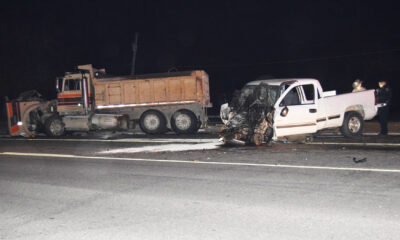
Wreck takes the life of BHS teen, 16
-
 NEWS3 years ago
SO investigating possible murder/suicide
-
 NEWS3 years ago
Murder unsolved – 1 year later Tia Hutson’s family angry, frustrated with no arrest
-
 Show us something good9 years ago
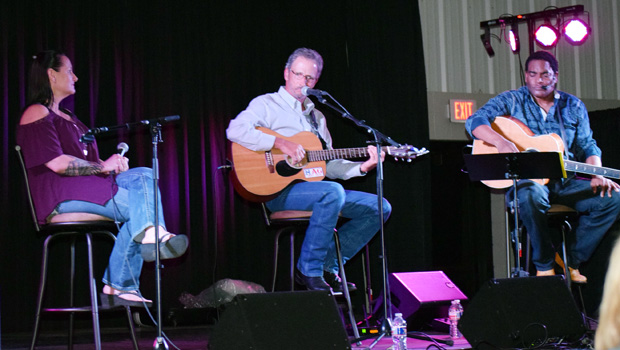
Country music star children perform in Bowie
-
 100th Birthday4 years ago
Looking back at the 1958 Centennial edition of The Bowie News
-
NEWS3 years ago
Sheriff’s office called out to infant’s death