
SPORTS
Spring Turkey season is special

By Luke Clayton
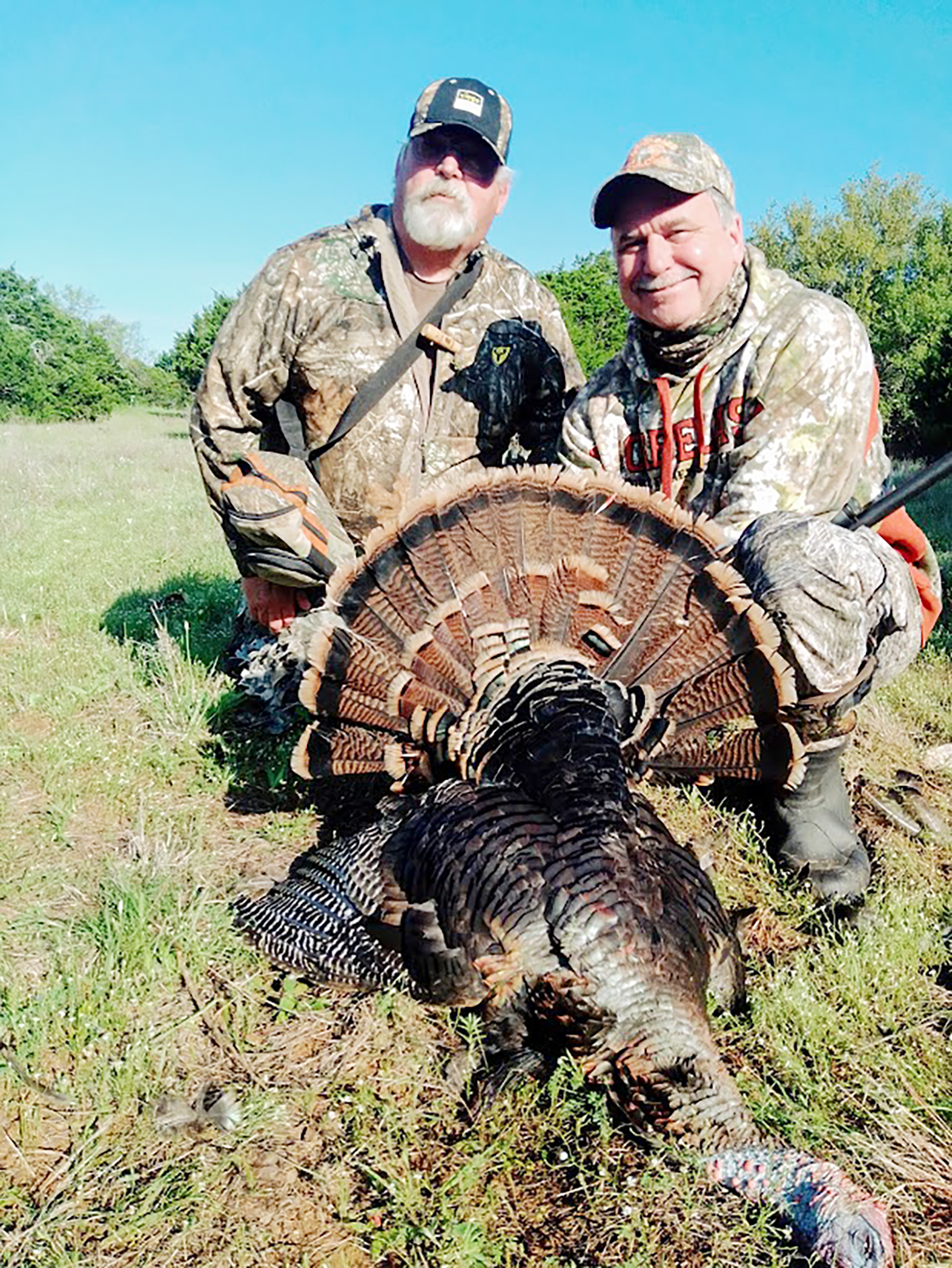
Ask me in October what I love best about the outdoors and I will probably say that nothing compares to the preparation before archery whitetail season and then settling into that blind on opening day with hopes of arrowing a mature buck. Ask the same question a month or so ago and I’d probably be bragging about how much fun it is to walk a remote creek with moving water tossing jigs along the bank for spawning white bass. Ask me now and, hands down, I will talk your head off singing the praises of heading out to the woods and fields in quest of a big turkey gobbler.
Truly there is nothing quiet like spring turkey hunting. There’s something very special about being out when the woods is coming to life, replacing the drab grey colors of winter with shades of green that even the great artist Monet couldn’t accurately capture on canvas. Deer hunting is largely a waiting game where one sits in a ground blind or tree stand and patiently waits for the buck to present an ethical shot. Turkey hunters also have to be patient but usually are not relegated to staying in one place.
Hunting turkey is a run and gun endeavor with the hunter staying on the move with his or her call, mimicking a lovesick hen in hopes of getting a response ‘gobble’ from a big gobbler somewhere back in the woods.
On a calm spring day, it’s possible to hear a gobbler sounding off through the woods from several hundred yards. This is the stuff great hunting memories are made. I usually begin the morning hunt well concealed before daylight near a turkey roost area or a field edge where I’ve seen turkey feeding.
With my old hen decoy, Henrietta, positioned about 25 yards out from my position, I set quietly. Sometimes, when I am lucky, I will actually hear a gobbler sound off from the roost and on occasion, I can hear the wings flapping as the birds set their wings and soar down to the ground.
To be perfectly honest, that first hour or so of daylight seldom results in a bagged gobbler but we turkey hunters have to be out there at first light just in case. Very often gobblers are roosted near hens and there are easier things to do than entice a lovesick gobbler away from what he has his eyes on. But sometimes I get lucky and when the gobbler hits the ground and spots my decoy and hears my plaintive hen yelps, he comes trotting to the ‘new’ hen (my decoy Heneretta)
I drop the hammer on the shotgun or release my arrow and its time to turn the bird into turkey nuggets and fajita strips. But more than likely the bird’s attention is focused on the hens he has spent the night with and after a brief courtship, the flock disappears into the woods or feeds it’s way slowly down the field out of sight, stopping occasionally to nip a bit of clover along the way.
At least three-quarters of the spring gobblers I’ve killed were taken from about 9 am until early afternoon. After Gobblers mate with receptive hens during early morning, the hens feed and then go to their nest. Gobblers are then left alone but are still looking for love. They roam the woods, grabbing a bit of fresh greenery here and there as they feed. But courtship remains paramount on their mind, and this is when the sound of what they think is a receptive hen yelping back in the woods is more than they can take.
When things go perfectly as scripted, the scenario goes something like this- the gobbler hears the hen yelp made by the hunter’s call and instantly stops to strut and gobbler. The hunter gets a rough idea of where the bird is from the direction of the sound and quickly locates an open spot to set the decoy and conceals himself in the brush, facing the direction he expects the bird to approach from.
If things go as planned, as they sometimes do, the hunter then calls again, and the gobbler once again stops, struts and replies with a gobble. This time, the hunter can tell he is closer and adjusts his position to face the approaching gobbler. It’s a good idea to keep calling but not too much, just a few yelps every couple minutes. But sometimes the gobbler will sneak in quietly without making a sound.
If you hear a responding gobbler with every series of hen yelps, you are working with a ‘hot’ gobbler and your percentages of success are high. But don’t be disappointed if one minute you are staring at your decoy and the next you see a gobbler in full strut. I’ve killed as many ‘quiet’ gobblers through the years as I have those that gobbler their way to my set up.
This week, I’ll be hunting with my long-time friend Bill Carey, owner of Striper Express up on Lake Texoma. This will be our second year to open the season together. Last year I lucked out and bagged a big gobbler the first thirty minutes of the hunt. Bill and I both enjoy camp cooking and last year,
I butchered the gobbler and we enjoyed a tasty lunch of grilled asparagus and turkey nuggets at a little makeshift camp we set up near a pond on the ranch. This year I’ve changed the menu to wild turkey fajitas and seasoned camp beans. But as all turkey hunters know, it is remotely possible a bird won’t be bagged before lunch. Not to worry, I have some chicken breast meat strips marinating just in case. Of course, if the stars are aligned, and I get a gobbler early, we will save the chicken for later and dine on very fresh wild turkey. Better to be safe than sorry though, fajitas are pretty bland with just veggies and no meat.
CAMP BEANS Open a can of the no brand Dollar Store baked beans-they are pretty bland tasting right out of the can but become a gourmets delight when ‘doctored’ up. In a skillet fry a couple pieces of chopped bacon, add a diced jalapeno, one onion and several cloves of fresh garlic. Heat until the onions are soft then add the canned beans and a little bbq sauce and a handful of brown sugar, let simmer for a few minutes. This makes a great side dish for an impromptu wild turkey lunch.
Listen to Luke’s weekly podcast, “Catfish Radio with Luke Clayton and Friends” just about everywhere podcast are found. Email Luke through his website www.catfishradio.org

A positive culture can be tough to install but will reap dividends if done correctly.
Trinadee Imotichey is trying to do just that with her Forestburg Lady Longhorns.
Imotichey, an assistant coach on the 2025 Forestburg volleyball team, was moved into the head coaching position. Last year’s coach, Cori Hayes, took over as football head coach.
Imotichey, in her 2nd year in Forestburg, said she learned a lot from Hayes and is ready to take over.
For further details, pick up a copy of Thursday’s Bowie News.
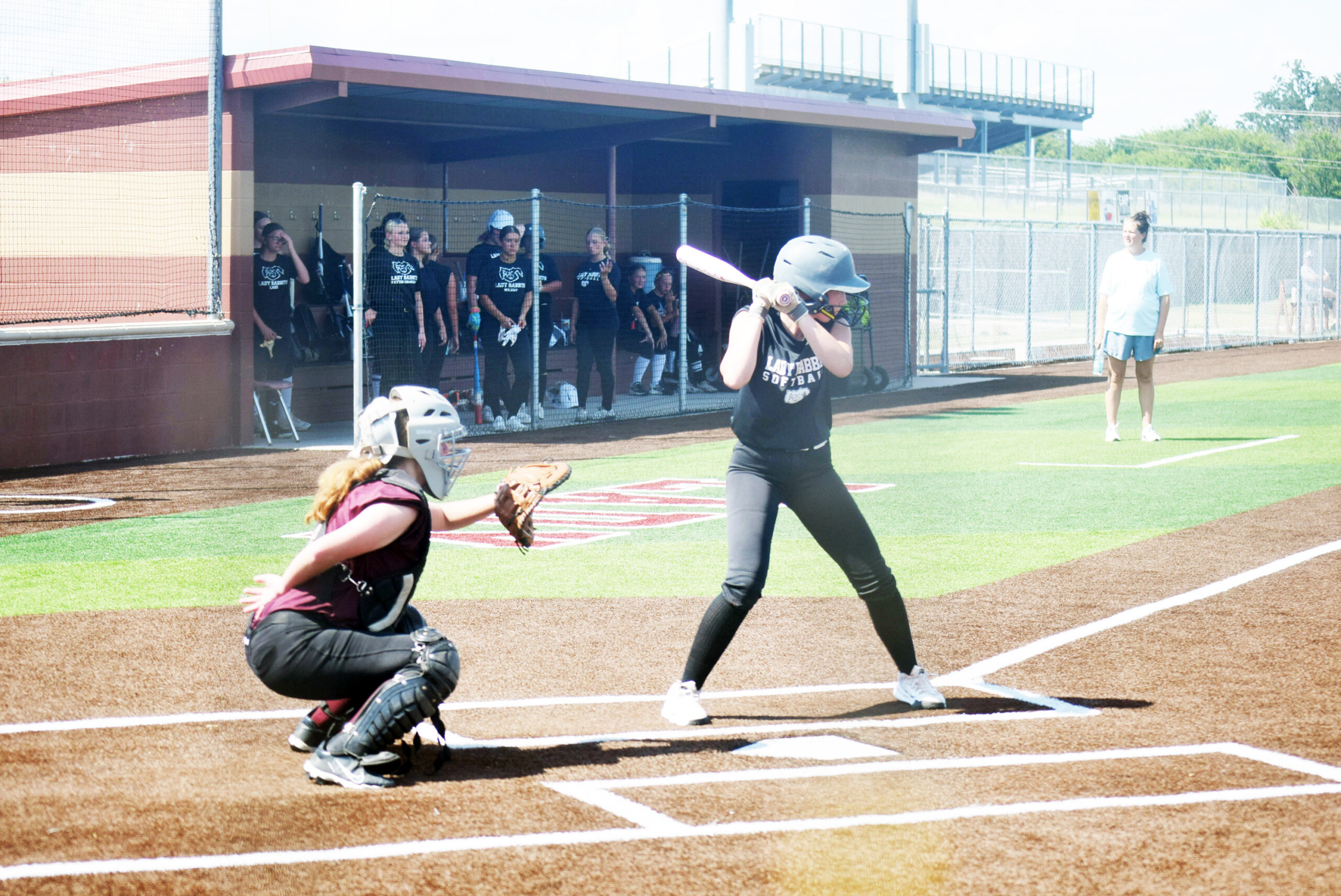
Bowie’s summer softball league team overcame a 6-1 deficit with a six-run third inning for a 7-6 win over Bridgeport in its season opener July 6.
The league consists of teams from Bowie, Nocona, Lindsay, Bridgeport, and Alvord and will last three weeks. Bowie will host games each week.
Bowie pitcher Hazel Trahern gave up two singles and a groundout to put the Sissies on the board in the first. It would be the only hits she gave up in the game. Two groundouts and a strikeout got the Lady Rabbits out of the jam.
Bowie got the run back in the bottom of the first with Andee Jo Miller opening the frame with a walk and a stolen base. She then scored on Kynlee Baker’s groundout to tie the game at one.
For further details, pick up a copy of Thursday’s Bowie News.

Rest. Run. Repeat.
Sage Keck, an 8th grader at Montague, lives by this mantra. No ifs, ands and buts about it.
She’s been running since fourth grade PE classes where she would run a mile every week. After discovering she could outrun the other students, she began to enjoy it and continued doing it.
Her success continued, as she finished 2nd overall against more than 200 runners at the Old Saint Jo 5K July 4. In last weekend’s Texas Junior Olympics, she reached the pinnacle of her career so far by qualifying for the United States of America Track and Field (USATF) National Junior Olympics in Norwalk, Calif. in three events.
For further details, pick up a copy of Thursday’s Bowie News.






-

 NEWS3 years ago
Suspect indicted, jailed in Tia Hutson murder
-
 NEWS4 years ago
2 hurt, 1 jailed after shooting incident north of Nocona
-
 NEWS3 years ago
SO investigating possible murder/suicide
-
 NEWS4 years ago
Wreck takes the life of BHS teen, 16
-
 NEWS3 years ago
Murder unsolved – 1 year later Tia Hutson’s family angry, frustrated with no arrest
-
 Show us something good9 years ago
Country music star children perform in Bowie
-
NEWS3 years ago
Sheriff’s office called out to infant’s death
-
 100th Birthday4 years ago
Looking back at the 1958 Centennial edition of The Bowie News