
HOME
1973 U.S. withdraws from Vietnam

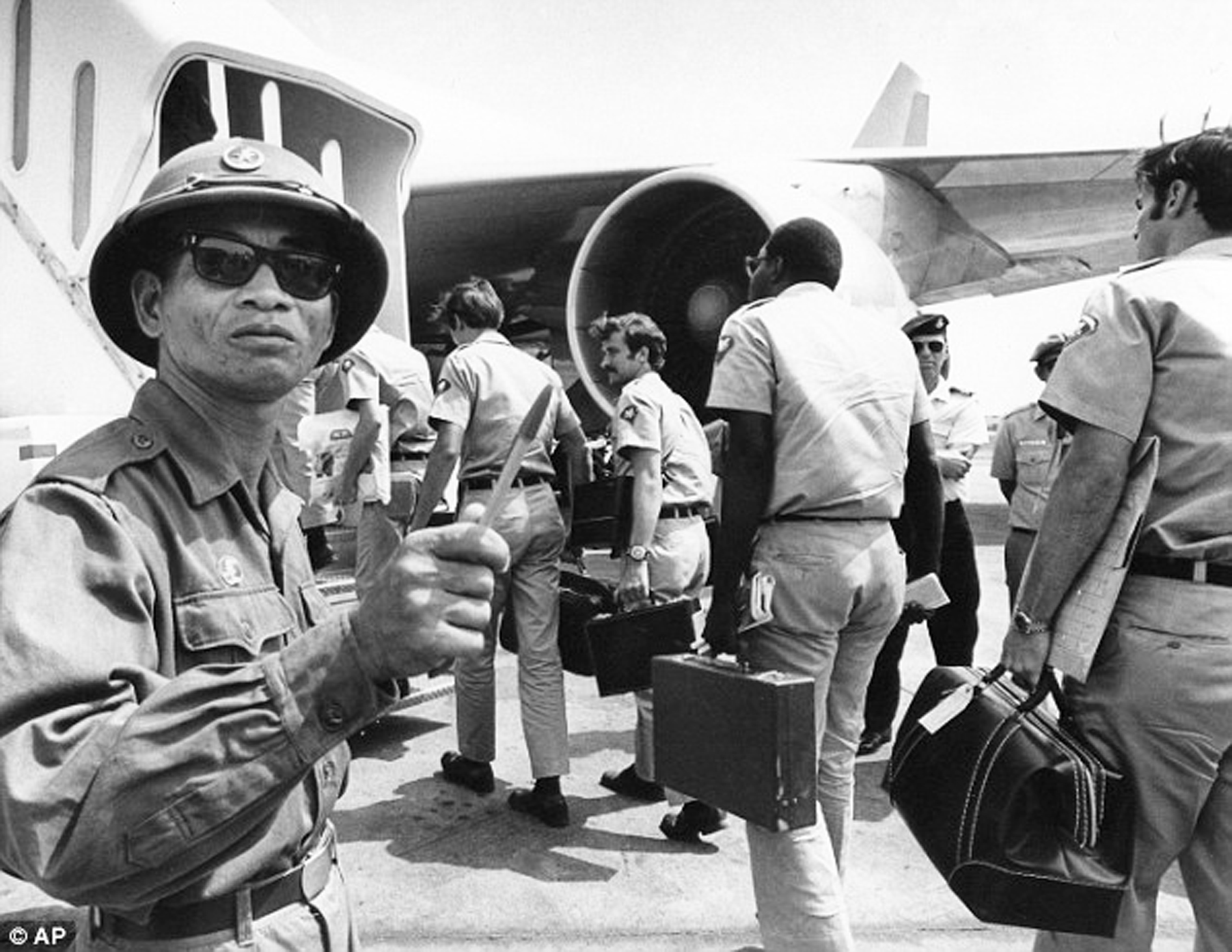
Two months after the signing of the Vietnam peace agreement, the last U.S. combat troops leave South Vietnam as Hanoi frees the remaining American prisoners of war held in North Vietnam. America’s direct eight-year intervention in the Vietnam War was at an end. In Saigon, some 7,000 U.S. Department of Defense civilian employees remained behind to aid South Vietnam in conducting what looked to be a fierce and ongoing war with communist North Vietnam.
In 1961, after two decades of indirect military aid, U.S. President John F. Kennedy sent the first large force of U.S. military personnel to Vietnam to bolster the ineffectual autocratic regime of South Vietnam against the communist North. Three years later, with the South Vietnamese government crumbling, President Lyndon B. Johnson ordered limited bombing raids on North Vietnam, and Congress authorized the use of U.S. troops. By 1965, North Vietnamese offensives left President Johnson with two choices: escalate U.S. involvement or withdraw. Johnson ordered the former, and troop levels soon jumped to more than 300,000 as U.S. air forces commenced the largest bombing campaign in history.
During the next few years, the extended length of the war, the high number of U.S. casualties, and the exposure of U.S. involvement in war crimes, such as the massacre at My Lai, helped turn many in the United States against the Vietnam War. The communists’ Tet Offensive of 1968 crushed U.S. hopes of an imminent end to the conflict and galvanized U.S. opposition to the war. In response, Johnson announced in March 1968 that he would not seek reelection, citing what he perceived to be his responsibility in creating a perilous national division over Vietnam. He also authorized the beginning of peace talks.
In the spring of 1969, as protests against the war escalated in the United States, U.S. troop strength in the war-torn country reached its peak at nearly 550,000 men. Richard Nixon, the new U.S. president, began U.S. troop withdrawal and “Vietnamization” of the war effort that year, but he intensified bombing. Large U.S. troop withdrawals continued in the early 1970s as President Nixon expanded air and ground operations into Cambodia and Laos in attempts to block enemy supply routes along Vietnam’s borders. This expansion of the war, which accomplished few positive results, led to new waves of protests in the United States and elsewhere.
Finally, in January 1973, representatives of the United States, North and South Vietnam, and the Vietcong signed a peace agreement in Paris, ending the direct U.S. military involvement in the Vietnam War. Its key provisions included a cease-fire throughout Vietnam, the withdrawal of U.S. forces, the release of prisoners of war, and the reunification of North and South Vietnam through peaceful means. The South Vietnamese government was to remain in place until new elections were held, and North Vietnamese forces in the South were not to advance further nor be reinforced.
In reality, however, the agreement was little more than a face-saving gesture by the U.S. government. Even before the last American troops departed on March 29, the communists violated the cease-fire, and by early 1974 full-scale war had resumed. At the end of 1974, South Vietnamese authorities reported that 80,000 of their soldiers and civilians had been killed in fighting during the year, making it the most costly of the Vietnam War.
On April 30, 1975, the last few Americans still in South Vietnam were airlifted out of the country as Saigon fell to communist forces. North Vietnamese Colonel Bui Tin, accepting the surrender of South Vietnam later in the day, remarked, “You have nothing to fear; between Vietnamese there are no victors and no vanquished. Only the Americans have been defeated.” The Vietnam War was the longest and most unpopular foreign war in U.S. history and cost 58,000 American lives. As many as two million Vietnamese soldiers and civilians were killed.
Courtesy of History.com
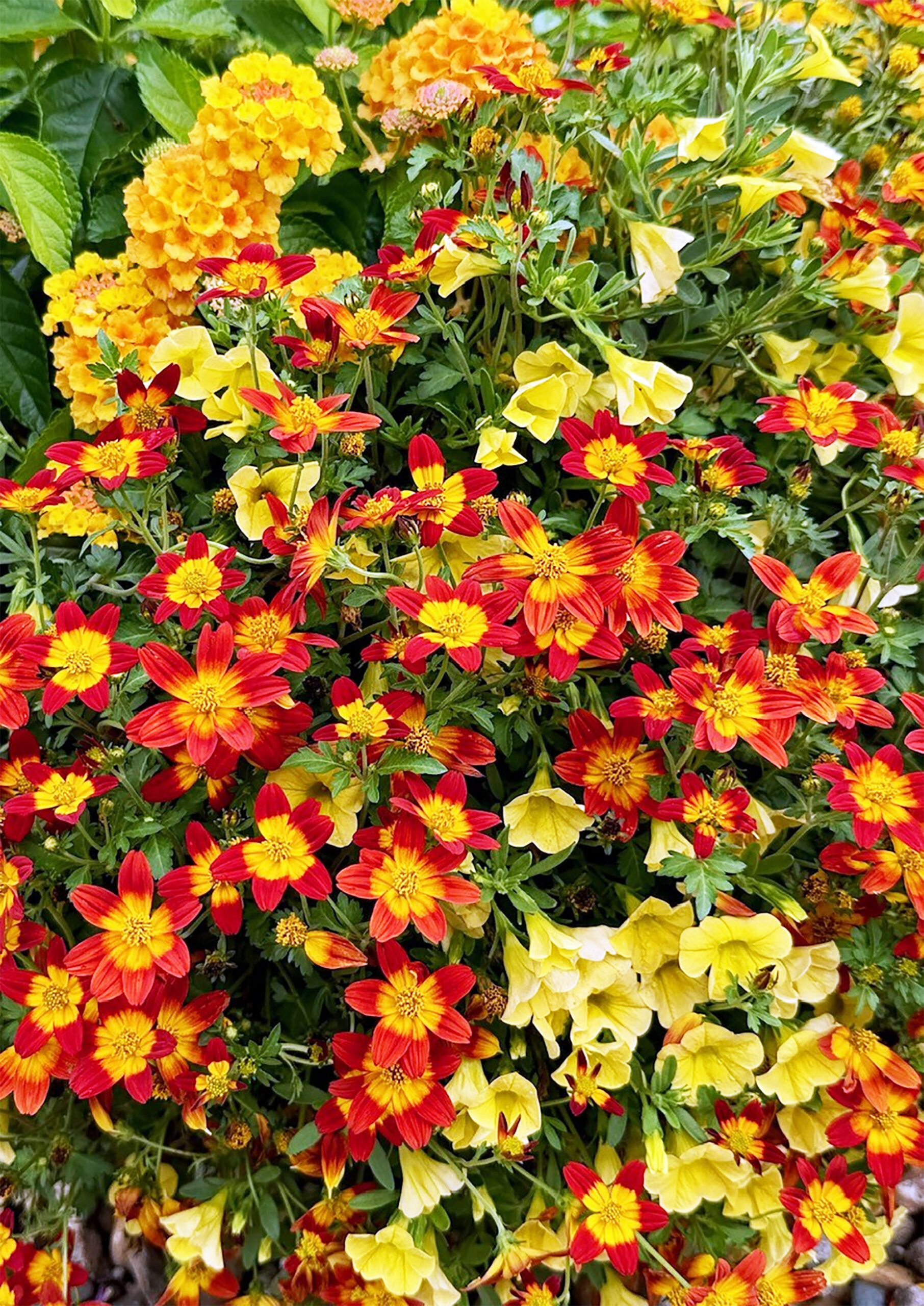
This summer the plant trials have been riotous in their displays of colors in the recipe section.
One that caught my eye this year was Merry Go Round which was full of colors from the hot side of the color wheel. One featured plant was Campfire Red Ember.
Red Ember is one of the three in the Campfire series. Campfire Marshmallow, Campfire Flame and Campfire Red Ember. They are known botanically as Bidens and are native to Mexico and the Southwest.
I don’t think any of us need the government to tell us groceries are expensive. We know it when we stand in the meat aisle and lower our standards real fast from 90% lean to 80% lean hamburger meat.
Still, the numbers are interesting.
According to the latest Bureau of Labor Statistics report, grocery prices in July were 2.7% higher than they were a year ago. Beef is where things really hurt. Beef prices were up 9.4% from last July, and uncooked ground beef was up 9%.
Chicken, on the other hand, was actually down 2.7% over the same period, which makes it one of the better bargains in the meat case right now.
The BLS average-price survey puts a pound of ground chuck at $6.85 in July. Two years ago, in July 2024, that same national average was $5.47.
So maybe it is time to resurrect something our mothers and grandmothers understood very well.
Read the full On the Table feature in the Sept. 17 Bowie News.
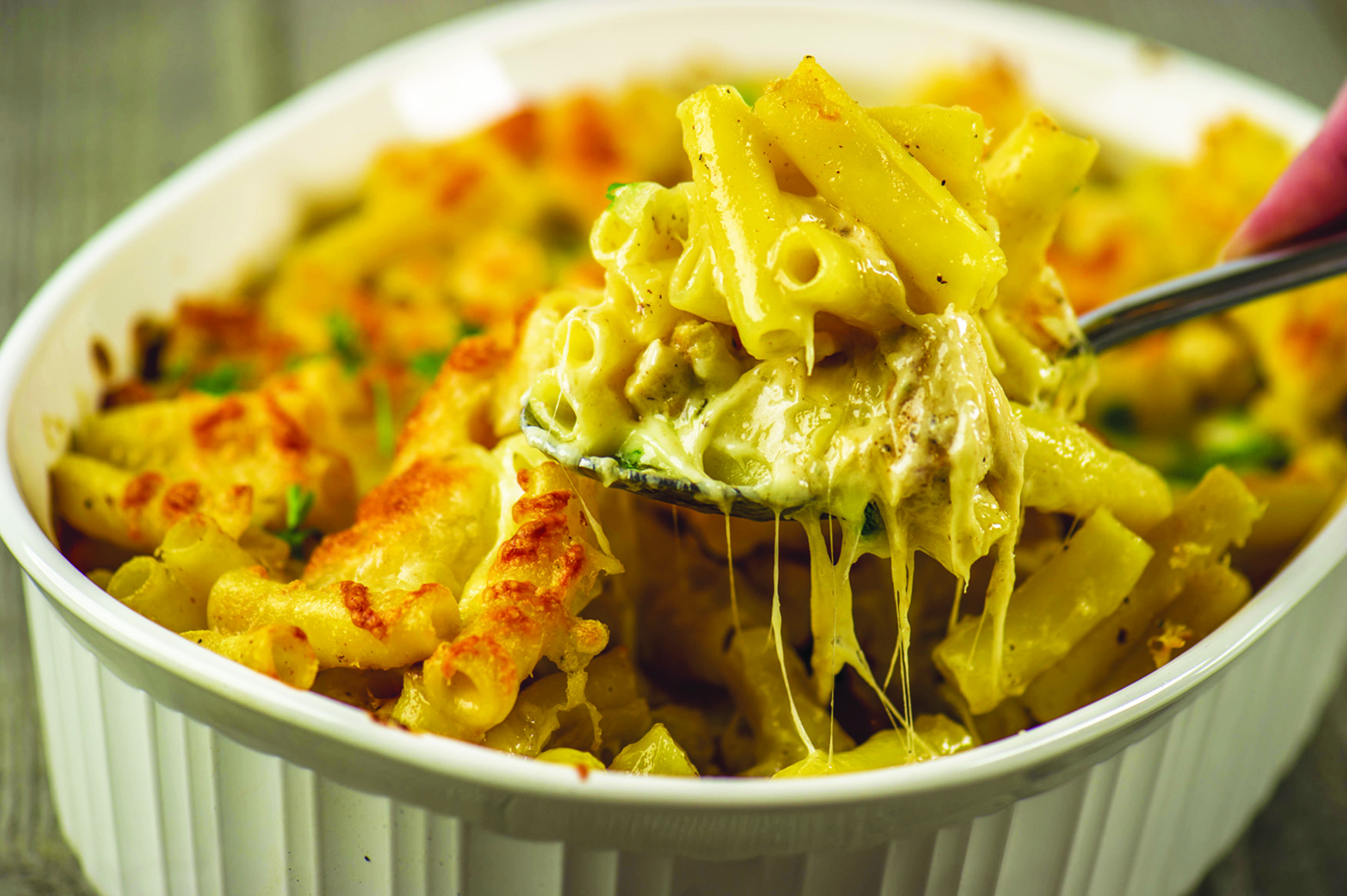
Big-Pan Chicken Spaghetti
A pound of diced chicken can disappear beautifully through an entire pan of pasta.
Ingredients
- 1 pound boneless chicken, diced
- 12 ounces spaghetti
- 1 small onion, chopped
- 1 can cream of chicken soup
- 1 can cream of mushroom soup
- 1 can Rotel-style tomatoes
- 1 cup chicken broth
- 2 cups shredded cheese, divided
- 1 teaspoon garlic powder
- Salt and pepper
Cook spaghetti just until tender and drain.
Meanwhile, sauté diced chicken and onion until chicken is cooked through.
Mix spaghetti, chicken, soups, tomatoes, broth, garlic powder and 1 cup cheese. Spread into a greased 13×9 pan.
Top with remaining cheese and bake at 350 degrees for 25 to 30 minutes.
Have half a bag of frozen peas, broccoli or mixed vegetables lingering in the freezer? Throw them in. This is a forgiving recipe.
Serves 8 to 10.
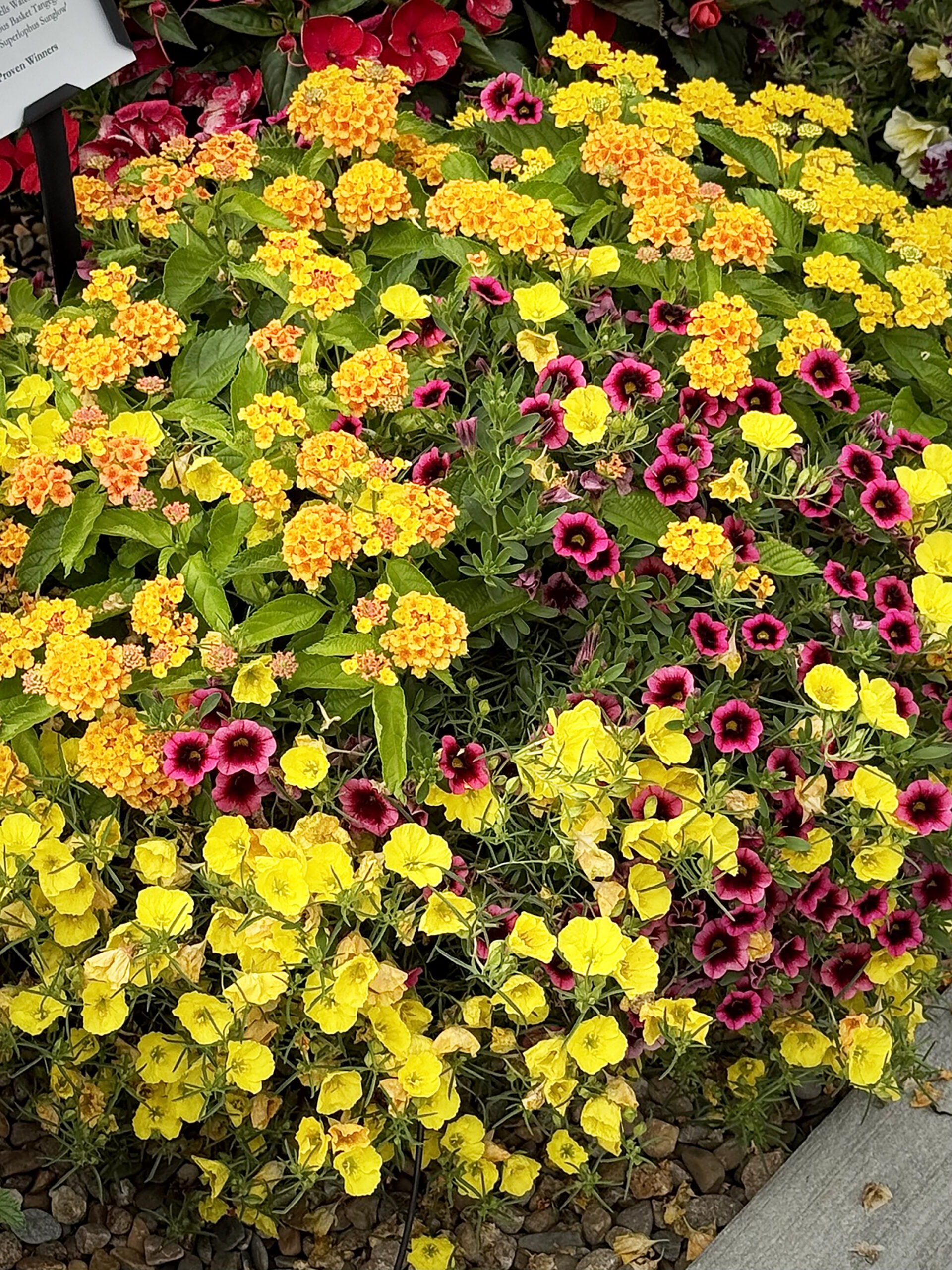
Perfect Score, Director’s Select, Best of the Best and Leader of the Pack are just a few of the awards for Superlophus. I’m also reasonably sure you are thinking: What is a Superlophus?
Superlophus Sunglow is the official name botanically known as an Oenothera commonly called Texas Primrose. That’s right: This golden yellow flower that is a non-stop bloomer and tough-as-nails is a native selection and winner of 15 awards from Canada to Mississippi.
Read the full Garden Guy feature in the Thursday Bowie News.






-

 NEWS3 years ago
Suspect indicted, jailed in Tia Hutson murder
-
 NEWS4 years ago
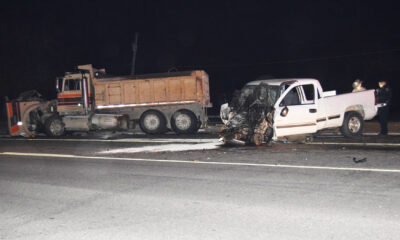
Wreck takes the life of BHS teen, 16
-
 NEWS4 years ago
2 hurt, 1 jailed after shooting incident north of Nocona
-
 NEWS3 years ago
Murder unsolved – 1 year later Tia Hutson’s family angry, frustrated with no arrest
-
 NEWS3 years ago
SO investigating possible murder/suicide
-
 Show us something good9 years ago
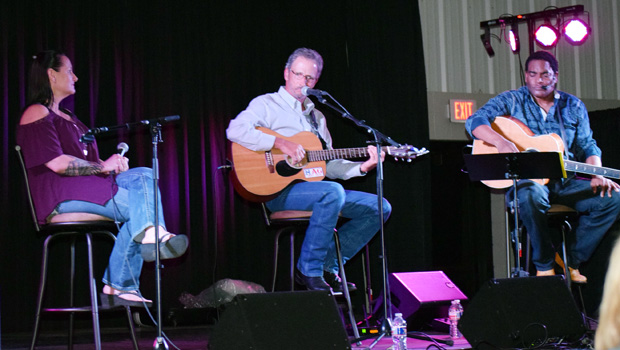
Country music star children perform in Bowie
-
 100th Birthday4 years ago
Looking back at the 1958 Centennial edition of The Bowie News
-
NEWS3 years ago
Sheriff’s office called out to infant’s death