
Live Better
Fall home maintenance checklist


(Feature Impact) As temperatures cool, now is an ideal time to prepare your home for winter. Taking care of seasonal maintenance before the cold weather arrives can help protect you and your wallet from unexpected and costly repairs.
From clearing gutters to scheduling an HVAC tune-up, tackling a few projects now can help set your home up for a safe and comfortable winter. Consider this your ultimate fall home maintenance checklist from the experts at Carrier.
1. Clean Gutters
Leaves and debris collect quickly in home gutters and downspouts. Make sure they are clear so water can drain properly and away from your home’s foundation. If you wait until after temperatures drop, you run the risk of ice dams and water damage.
2. Inspect Your Outdoor HVAC Equipment
Remove leaves, grass clippings and debris that may have accumulated around your outdoor unit. Maintaining proper clearance can help support airflow and system performance throughout the season.
3. Replace HVAC Filters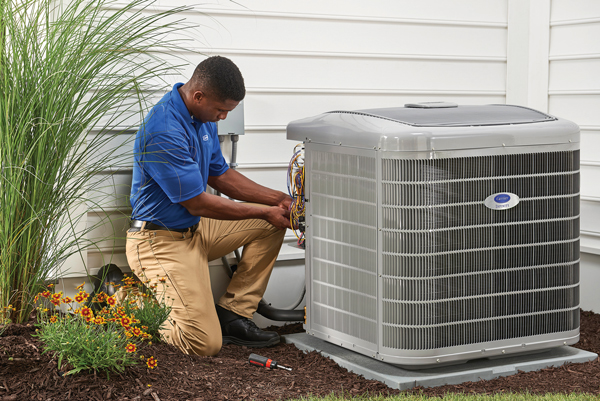
A dirty filter can restrict airflow and force your system to work harder, potentially increasing energy use and reducing comfort. A simple filter check can also help prepare your heating system for increased use. Check your HVAC filter before turning on your heating system and continue inspecting it throughout the winter. To help maintain proper airflow, Carrier typically recommends replacing air filters every 1-3 months.
4. Test Smoke and Carbon Monoxide Detectors
When changing clocks, test your smoke alarms and carbon monoxide detectors. Replace batteries as needed. Working carbon monoxide alarms are especially important as temperatures fall and home heating systems begin running more frequently.
5. Schedule Your HVAC Tune-Up Before Winter Arrives
Don’t wait until the first cold day of the season to find out your heating system isn’t ready for winter. Annual maintenance can help improve efficiency, extend equipment life and identify potential issues before the heating season begins. Experts often recommend having an HVAC professional perform annual furnace maintenance in the fall before heating season begins. Routine maintenance can help keep a system operating in tip-top shape and allow a technician to identify smaller issues before they become costly repairs.
However, if replacement is recommended, the upfront price doesn’t necessarily have to stand between you and a more comfortable home. Consider options from Carrier, which offers flexible financing options through participating dealers. Depending on the financing plan you qualify for and your home’s heating and cooling needs, a new system could cost less than you think. Homeowners can also explore utility rebates on qualifying equipment.
6. Test Your Thermostat
Testing your thermostat early helps ensure your heating system is communicating properly before temperatures drop. Switch to heating mode early to make sure your system responds properly (just don’t forget to turn it back off). Replace batteries, if necessary, and consider whether a smart thermostat could provide additional comfort and control over your home’s heating schedule.
7. Seal Air Leaks Around Doors and Windows
Drafts can make a home feel colder and allow warm air inside your house to escape. Inspect weatherstripping around doors and windows and replace it where needed. Caulk visible gaps to help keep conditioned air inside and improve your family’s comfort.
8. Check Your Home’s Insulation
Finally, look at insulation in areas such as the attic, crawl spaces and basement. Doing so can help keep heated air where it belongs and reduce the workload on your heating system all winter long.
To learn more about preparing your heating or cooling system for the season, exploring financing and rebates or finding a local expert, visit Carrier.com.
SOURCE:
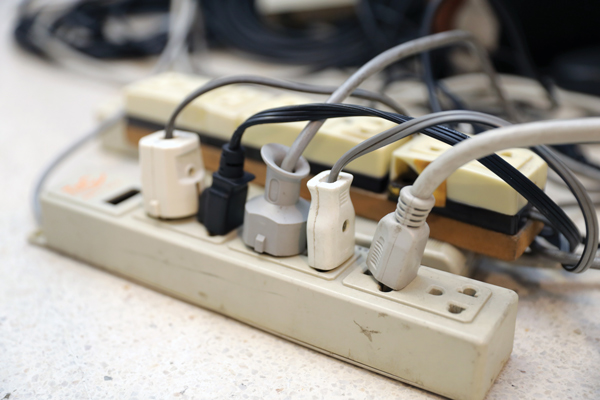
(Feature Impact) Power strips make it easy to add outlets where families need them, but they aren’t designed to handle every appliance in the home. Plugging certain high-powered appliances into a power strip can overload it, potentially causing overheating and increasing the risk of an electrical fire.
“Power strips are so common that it’s easy to assume anything with a plug can safely go into one, but that’s not the case,” said Bonnie Lee, vice president of property claims at Mercury Insurance. “Appliances that draw significant power can generate more heat than a power strip is designed to handle. A simple change in where you plug something in can help eliminate an unnecessary fire risk.”
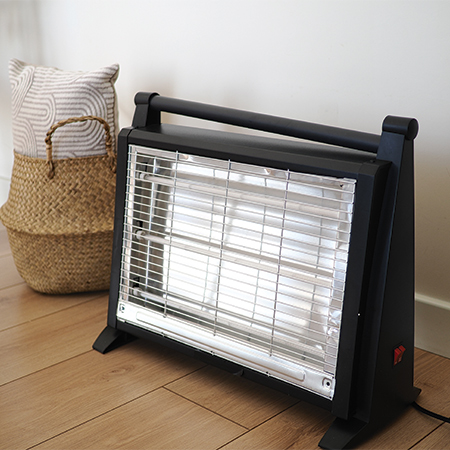
The National Fire Protection Association (NFPA) recommends plugging portable space heaters directly into wall outlets and warns that extension cords can be too small for electrical loads such as space heaters and air conditioners. Additionally, the U.S. Consumer Product Safety Commission warns that power strips can pose a fire hazard when overloaded.
Take a closer look at these five household items, as recommended by the home safety experts at Mercury Insurance:
1. Space Heaters
Portable electric space heaters can draw substantial power and should be plugged directly into a wall outlet rather than a power strip or extension cord. The NFPA also recommends keeping space heaters at least 3 feet away from anything that can burn and turning them off when leaving the room or going to bed.
2. Air Fryers
Air fryers pack a powerful heating element. Depending on the model, that can mean a significant electrical load while the appliance is operating. Follow the manufacturer’s instructions and, when directed, plug the appliance directly into an appropriate wall outlet rather than a power strip already serving other kitchen devices.
 3. Microwaves
Microwaves require significant power during operation and generally should have a dedicated or properly rated outlet consistent with the manufacturer’s instructions. Avoid treating an available spot on a countertop power strip as an extra kitchen outlet. If there aren’t enough outlets to safely accommodate appliances, consider having a qualified electrician evaluate the setup.
4. Refrigerators and Freezers
Refrigerators and freezers operate around the clock, and their compressors can create additional electrical demand when cycling on. These appliances should be connected according to manufacturer’s instructions and applicable electrical requirements rather than relying on a power strip as a permanent wiring solution.
5. Portable Air Conditioners
Like space heaters, portable air conditioners can place a heavy load on an electrical circuit. NFPA guidance notes extension cords may be too small for loads including air conditioners. Follow the manufacturer’s instructions and use an appropriate wall outlet rather than assuming a power strip can safely handle the appliance.
For information about in-home fire safety, visit MercuryInsurance.com/resources.
Give Your Power Strips a Home Safety Check
The appliances plugged into a power strip aren’t the only things homeowners should consider. The condition and use of the strip itself matter, too.
Homeowners should avoid plugging one power strip into another, commonly known as “daisy chaining,” and should never use a power strip as a substitute for permanent household wiring. Damaged, discolored or unusually warm power strips should be taken out of service. Also check that power strips are appropriate for their intended use and follow all manufacturer’s instructions and electrical ratings.
“If you need power strips throughout a room just to operate everyday appliances, the bigger issue may be that your home electrical system isn’t meeting your needs,” Lee said. “Adding outlets or having an electrician evaluate the circuit may take a little more effort, but it’s a much better solution than creating a potential fire hazard.”
Homeowners should also pay attention to warning signs including frequently tripped circuit breakers, outlets or plugs that feel unusually warm, flickering lights, burning odors, buzzing or crackling sounds and discoloration around outlets. A qualified electrician should evaluate electrical problems rather than relying on additional power strips or extension cords as a workaround.
Photos courtesy of Shutterstock

SOURCE:

(Feature Impact) First impressions can make a big difference – especially when it comes to potential home buyers deciding whether they can envision themselves signing a deed. If you’re actively selling your home or just contemplating how to increase your property’s curb appeal for the future, these simple tips can capture that wow factor without breaking the bank.
Grab the Power Washer
Take a weekend to blast away the grime on exterior surfaces and see what a dramatic difference it can make when things are sparkling clean. With a power washer, you can make quick work of dirty siding, muddy walkways and stained driveways. If you feel like your home looks tired, a good cleaning might be just the thing to wake it up – with no expensive paint job required.
Refresh Your Landscaping
Trees, shrubs and plants add so much life and color to outdoor spaces. Your yard doesn’t need to look like it fell out of a magazine, but don’t underestimate the power of fresh mulch, trimmed greenery, weeded flower beds and a mowed lawn. When landscaping looks healthy and cared for, it automatically makes a property feel more polished and welcoming.
Paint the Front Door
Your front door is the natural focal point of your home’s exterior, so if it’s seen better days, that can make the rest of the house seem worn and dated too. However, there’s an easy solution: Pick a paint color that matches the aesthetic of your property, grab a paint brush and transform your door with a look that makes your porch feel more current.
Add Window Boxes or Shutters
Windows are another great place to add some extra color, charm and visual interest to the outside of your home. Flowers in window boxes automatically appear cheerful and homey, and shutters can add more personality to the architecture. As a bonus, painting shutters to match your new front door makes the house feel thoughtfully designed.
Update Your Porch
The porch is a transition space between the inside and outside of your home, so it should be inviting to visitors. Start by clearing away clutter, banishing spiderwebs and touching up any peeling paint. Then consider a few new pieces of tasteful furniture or decor, like a new doormat, outdoor wall art or comfortable rocking chair.
Whether you’re trying to impress potential buyers or design a space you don’t ever want to sell, discover more home upgrade ideas at eLivingtoday.com.
Photo courtesy of Unsplash

SOURCE:

(Feature Impact)With ongoing uncertainty surrounding global oil prices, more U.S. consumers are buying and showing more interest in electric vehicles (EVs). The shift comes as car shoppers weigh fuel costs, improving affordability and a growing number of family-friendly electric SUVs.
Watch this video to learn more
According to Spectrum News, EV sales increased in the first quarter of this year. In the same time frame, interest in new EVs increased 16% and interest in used EVs increased by 30%. As families look for opportunities to ditch the gas pump without sacrificing power or space, new all-electric options create a compelling argument for families to turn to EVs.
For those looking to offset their weekly fuel up, the 2026 Kia EV9 can save drivers around $1,800-3,400 per year compared to gas-powered SUVs. Cars.com named the 2026 Kia EV9 the Best Electric Vehicle of 2026 for the second consecutive year.
“The Kia EV9 stood out because it delivers everything we want from a modern electric SUV – strong real-world range, fast charging, excellent space and comfort, and smart flexibility across the lineup,” said Mike Hanley, Sr. Road Test Editor, Cars.com.
For those who aren’t ready to switch to a fully electric vehicle, Kia has expanded its hybrid options. The 2026 Kia Sportage Hybrid adds horsepower and updated design features, while the Kia Telluride model offers a hybrid version for the first time with a total driving range of up to 637 miles on the Ex FWD-trim.
To learn more about the Kia EV9 and Kia’s hybrid models, visit Kia at kia.com.

SOURCE:






-

 NEWS3 years ago
Suspect indicted, jailed in Tia Hutson murder
-

 NEWS4 years ago
Wreck takes the life of BHS teen, 16
-

 NEWS3 years ago
Murder unsolved – 1 year later Tia Hutson’s family angry, frustrated with no arrest
-
 NEWS4 years ago
SO investigating possible murder/suicide
-
 NEWS4 years ago
2 hurt, 1 jailed after shooting incident north of Nocona
-
 Show us something good9 years ago
Country music star children perform in Bowie
-
 100th Birthday4 years ago
Looking back at the 1958 Centennial edition of The Bowie News
-
NEWS4 years ago
Sheriff’s office called out to infant’s death