
Live Better
5 ways to make a difference in your community


(Feature Impact) Communities are strengthened every day by local organizations working to address challenges close to home, whether that’s helping families access food, supporting students, expanding opportunity or providing essential resources to those who need them most. Often operating with limited resources, these organizations are finding practical solutions that make a meaningful difference in neighborhoods and communities across the country.
Many of these efforts happen quietly, powered by people who volunteer their time, share their expertise, donate resources or simply help spread awareness of causes they care about.
For individuals looking to make a difference where they live, community involvement doesn’t have to start with a large commitment. Consider these five options to get involved.
Give Your Time
Giving your time is one of the most direct ways to support organizations serving your community. Whether it’s packing meals, mentoring young people or participating in neighborhood cleanups, volunteering allows people to contribute directly while gaining a deeper understanding of local needs.

Share Your Skills
Nonprofits often need specialized skills in addition to hands-on volunteer support. Communications support, technology expertise, event planning, photography, financial guidance and other professional skills can help organizations expand their reach and strengthen their operations. Contributing the skills you’ve developed can often be just as valuable as donating time or resources.
Tap Into Your Workplace
Many employers offer opportunities to support causes that matter to their employees, such as volunteer programs, community grants or other charitable opportunities.
In communities across the country, local nonprofits can receive support through programs like the PepsiCo Foundation’s Community Impact Awards, where employees can nominate nonprofit organizations in their local communities for grant funding. Since 2022, the program has invested more than $3.7 million into organizations working on issues ranging from food access to education and community development.
“Across North America, there are organizations showing up every day for their communities, often without recognition and with limited resources,” said Monica Bauer, SVP of social impact, PepsiCo and president of the PepsiCo Foundation. “The Community Impact Awards help shine a light on organizations that are creating opportunities, solving local challenges and making a real difference in people’s lives. What makes this program special is that the recognition comes from PepsiCo associates who know these organizations firsthand and have seen their impact up close.”
This year, 100 organizations across the U.S. and Canada received $500,000 total in grants and teamed up with their respective nominating employees for volunteer activities supporting their missions, giving employees another opportunity to engage directly.
Give What You Can
Financial contributions are a valuable way to give back, but they aren’t the only option. Many organizations need non-monetary donations such as school supplies, canned goods, clothing, toys and technology. Before collecting items, check with organizations to learn what is most needed and how contributions can make the greatest impact.
Use Your Voice
One person can make a difference. When that person gets a friend or family member involved, more people can discover and support organizations doing important work. Sharing a nonprofit’s mission on social media, inviting others to volunteer or connecting people with causes you care about can help organizations reach new supporters and expand their impact.
Making a difference doesn’t require doing everything at once. Whether you contribute your time, skills, resources or advocacy, small actions can help make a big impact over time.
Across the U.S., nonprofit organizations are helping improve lives, create opportunities and respond to community needs every day. Their work is a reminder that meaningful change often starts locally with people willing to get involved.
Learn more about how individuals and organizations can help address some of the most pressing needs in their communities by visiting PepsiCo.com/about/social-impact.

SOURCE:
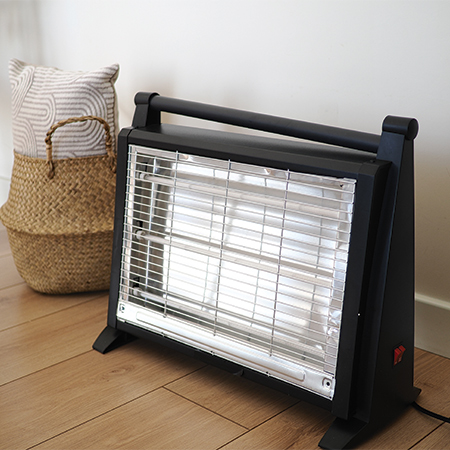
(Feature Impact) Power strips make it easy to add outlets where families need them, but they aren’t designed to handle every appliance in the home. Plugging certain high-powered appliances into a power strip can overload it, potentially causing overheating and increasing the risk of an electrical fire.
“Power strips are so common that it’s easy to assume anything with a plug can safely go into one, but that’s not the case,” said Bonnie Lee, vice president of property claims at Mercury Insurance. “Appliances that draw significant power can generate more heat than a power strip is designed to handle. A simple change in where you plug something in can help eliminate an unnecessary fire risk.”
The National Fire Protection Association (NFPA) recommends plugging portable space heaters directly into wall outlets and warns that extension cords can be too small for electrical loads such as space heaters and air conditioners. Additionally, the U.S. Consumer Product Safety Commission warns that power strips can pose a fire hazard when overloaded.
Take a closer look at these five household items, as recommended by the home safety experts at Mercury Insurance:
1. Space Heaters
Portable electric space heaters can draw substantial power and should be plugged directly into a wall outlet rather than a power strip or extension cord. The NFPA also recommends keeping space heaters at least 3 feet away from anything that can burn and turning them off when leaving the room or going to bed.
2. Air Fryers
Air fryers pack a powerful heating element. Depending on the model, that can mean a significant electrical load while the appliance is operating. Follow the manufacturer’s instructions and, when directed, plug the appliance directly into an appropriate wall outlet rather than a power strip already serving other kitchen devices.
 3. Microwaves
Microwaves require significant power during operation and generally should have a dedicated or properly rated outlet consistent with the manufacturer’s instructions. Avoid treating an available spot on a countertop power strip as an extra kitchen outlet. If there aren’t enough outlets to safely accommodate appliances, consider having a qualified electrician evaluate the setup.
4. Refrigerators and Freezers
Refrigerators and freezers operate around the clock, and their compressors can create additional electrical demand when cycling on. These appliances should be connected according to manufacturer’s instructions and applicable electrical requirements rather than relying on a power strip as a permanent wiring solution.
5. Portable Air Conditioners
Like space heaters, portable air conditioners can place a heavy load on an electrical circuit. NFPA guidance notes extension cords may be too small for loads including air conditioners. Follow the manufacturer’s instructions and use an appropriate wall outlet rather than assuming a power strip can safely handle the appliance.
For information about in-home fire safety, visit MercuryInsurance.com/resources.
Give Your Power Strips a Home Safety Check
The appliances plugged into a power strip aren’t the only things homeowners should consider. The condition and use of the strip itself matter, too.
Homeowners should avoid plugging one power strip into another, commonly known as “daisy chaining,” and should never use a power strip as a substitute for permanent household wiring. Damaged, discolored or unusually warm power strips should be taken out of service. Also check that power strips are appropriate for their intended use and follow all manufacturer’s instructions and electrical ratings.
“If you need power strips throughout a room just to operate everyday appliances, the bigger issue may be that your home electrical system isn’t meeting your needs,” Lee said. “Adding outlets or having an electrician evaluate the circuit may take a little more effort, but it’s a much better solution than creating a potential fire hazard.”
Homeowners should also pay attention to warning signs including frequently tripped circuit breakers, outlets or plugs that feel unusually warm, flickering lights, burning odors, buzzing or crackling sounds and discoloration around outlets. A qualified electrician should evaluate electrical problems rather than relying on additional power strips or extension cords as a workaround.
Photos courtesy of Shutterstock

SOURCE:

(Feature Impact) First impressions can make a big difference – especially when it comes to potential home buyers deciding whether they can envision themselves signing a deed. If you’re actively selling your home or just contemplating how to increase your property’s curb appeal for the future, these simple tips can capture that wow factor without breaking the bank.
Grab the Power Washer
Take a weekend to blast away the grime on exterior surfaces and see what a dramatic difference it can make when things are sparkling clean. With a power washer, you can make quick work of dirty siding, muddy walkways and stained driveways. If you feel like your home looks tired, a good cleaning might be just the thing to wake it up – with no expensive paint job required.
Refresh Your Landscaping
Trees, shrubs and plants add so much life and color to outdoor spaces. Your yard doesn’t need to look like it fell out of a magazine, but don’t underestimate the power of fresh mulch, trimmed greenery, weeded flower beds and a mowed lawn. When landscaping looks healthy and cared for, it automatically makes a property feel more polished and welcoming.
Paint the Front Door
Your front door is the natural focal point of your home’s exterior, so if it’s seen better days, that can make the rest of the house seem worn and dated too. However, there’s an easy solution: Pick a paint color that matches the aesthetic of your property, grab a paint brush and transform your door with a look that makes your porch feel more current.
Add Window Boxes or Shutters
Windows are another great place to add some extra color, charm and visual interest to the outside of your home. Flowers in window boxes automatically appear cheerful and homey, and shutters can add more personality to the architecture. As a bonus, painting shutters to match your new front door makes the house feel thoughtfully designed.
Update Your Porch
The porch is a transition space between the inside and outside of your home, so it should be inviting to visitors. Start by clearing away clutter, banishing spiderwebs and touching up any peeling paint. Then consider a few new pieces of tasteful furniture or decor, like a new doormat, outdoor wall art or comfortable rocking chair.
Whether you’re trying to impress potential buyers or design a space you don’t ever want to sell, discover more home upgrade ideas at eLivingtoday.com.
Photo courtesy of Unsplash

SOURCE:

(Feature Impact)With ongoing uncertainty surrounding global oil prices, more U.S. consumers are buying and showing more interest in electric vehicles (EVs). The shift comes as car shoppers weigh fuel costs, improving affordability and a growing number of family-friendly electric SUVs.
Watch this video to learn more
According to Spectrum News, EV sales increased in the first quarter of this year. In the same time frame, interest in new EVs increased 16% and interest in used EVs increased by 30%. As families look for opportunities to ditch the gas pump without sacrificing power or space, new all-electric options create a compelling argument for families to turn to EVs.
For those looking to offset their weekly fuel up, the 2026 Kia EV9 can save drivers around $1,800-3,400 per year compared to gas-powered SUVs. Cars.com named the 2026 Kia EV9 the Best Electric Vehicle of 2026 for the second consecutive year.
“The Kia EV9 stood out because it delivers everything we want from a modern electric SUV – strong real-world range, fast charging, excellent space and comfort, and smart flexibility across the lineup,” said Mike Hanley, Sr. Road Test Editor, Cars.com.
For those who aren’t ready to switch to a fully electric vehicle, Kia has expanded its hybrid options. The 2026 Kia Sportage Hybrid adds horsepower and updated design features, while the Kia Telluride model offers a hybrid version for the first time with a total driving range of up to 637 miles on the Ex FWD-trim.
To learn more about the Kia EV9 and Kia’s hybrid models, visit Kia at kia.com.

SOURCE:






-

 NEWS3 years ago
Suspect indicted, jailed in Tia Hutson murder
-

 NEWS4 years ago
Wreck takes the life of BHS teen, 16
-

 NEWS3 years ago
Murder unsolved – 1 year later Tia Hutson’s family angry, frustrated with no arrest
-
 NEWS4 years ago
SO investigating possible murder/suicide
-
 NEWS4 years ago
2 hurt, 1 jailed after shooting incident north of Nocona
-
 Show us something good9 years ago
Country music star children perform in Bowie
-
 100th Birthday4 years ago
Looking back at the 1958 Centennial edition of The Bowie News
-
NEWS4 years ago
Sheriff’s office called out to infant’s death