
HEALTHY LIVING
Three Great Makeup Looks for Valentine’s Day


By Larah Tee at Makeup Tutorials
Whether you have a date or not, Valentine’s Day is a fun reason to doll up your usual makeup look.
You’ll love these romantic makeup looks that will get you ready in little to no time at all!
1. Neutral Eye Shadows
If the look you’re going for is soft and innocent, neutrals are the eye shadow combinations you want to wear. Jazz it up with gold glitter and pair with soft pink or nude lipstick.

Neutral eye shadows are perfect if you’re going for a soft & muted look.
Tip: The good thing with this eye shadow color is that you can wear it for both day and night. For a soft look, pair it with soft or nude lipstick and for a sexier look, pair it with a good red lipstick.
2. Corals & Rosy Cheeks
On this romantic day, you want to achieve a very simple yet very sweet, romantic look. A little blush on your cheeks, soft corals on your eyelids and a subtle red-orange lipstick will do the job.

3. Bold Red Lips
Pulling off a bold red lip this day will be sure to grab everyone’s attention. Pair it with a very simple (almost subtle) eyeliner and lots of mascara.


Who would have thought an informal idea between two friends enjoying a drink in a pub in Melbourne, Australia, back in 2003 would transform into a global health phenomenon? Movember, an event born of blending the words “mustache” and “November” together, is the brainchild of Travis Garone and Luke Slattery and encourages men to grow out their facial hair for thirty days. Fondly referred to as “Mo Bros,” the men who participate in Movember help to spread awareness about the silent crises surrounding men’s physical and mental health in a lighthearted way, according to Texas Health Resources.
Since its inception, the Movember Foundation has moved beyond the original 30 Mo’s Bros to cover 20 countries, mobilizing more than six million participants and funding upwards of 1,250 health projects worldwide. The charity’s main focus is prostate cancer, testicular cancer and mental health and suicide prevention. These issues are leading concerns for men in modern times.
The American Cancer Society says approximately one in eight men will be diagnosed with prostate cancer during their lifetime, making it the second most common cancer in men globally. Testicular cancer is the most common form of cancer among young men between the ages of 15 and 39. It is highly treatable when identified early; however, knowledge of self-examination remains very low.
According to the World Health Organization, men account for nearly 75 percent of all suicides globally. One man dies by suicide, on average, every minute of every day. Many men confront social stigmas that prevent them from seeking help when struggling with mental health issues like depression or anxiety.
Movember’s core philosophy is easy: use facial hair as a visual conversation starter to initiate conversations about health topics men historically avoid. This may prompt other men to schedule health exams or talk about emotional well-being that can help save their lives. In addition, the Move for Movember initiative urges people to run or walk 60 kilometers (approximately 37 miles) throughout the month to honor the 60 men who lose their lives to suicide every hour.
Movember may seem like the butt of jokes, but this goofy idea spurs very serious conversations that can be life-saving.
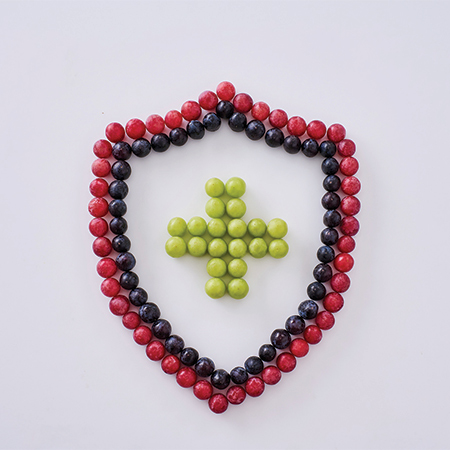
(Feature Impact) Your immune system is your strongest ally during cold and flu season, working hard to keep you healthy as you start hearing those telltale coughs and sneezes all around. Help your body do its job well by adopting a few simple habits that naturally support its ability to fight off germs or recover faster.
Talk to your healthcare provider for personalized advice then work on making these habits normal in your household.
Get Regular Exercise
Exercise is like a wonder drug that can improve nearly every aspect of health and wellness. Physical activity increases blood flow, reduces long-term inflammation, helps immune cells circulate through the body to guard against invaders and may even flush bacteria out of your lungs and airways. Plan to fit at least 150 minutes of moderate exercise into each week, like a bike ride, brisk walk, yoga class or on-demand video workout.
Eat Foods That Support Immune Health
To keep your immune system fueled, experts recommend eating a varied diet featuring plenty of fruits, vegetables, nuts, seeds, whole grains and healthy fats like olive oil. Consider adding fresh grapes to your diet to enjoy benefits from their naturally occurring plant compounds.
Protecting the body starts all the way down at the cellular level, and grapes contain powerful polyphenols that support the health and function of cells. Studies indicate certain compounds in grapes, like resveratrol and flavonoids, support immune system function as well as brain, skin, GI and heart health.
These little fruits are easy to add to your diet, whether you enjoy sweet, juicy Grapes from California by the handful or toss them in a blender to make this California Grape Wellness Juice recipe. Support multiple aspects of wellness with the drink’s powerful combination of fruits and vegetables, delivering a variety of immune-boosting vitamins, minerals and antioxidants.
Stay Hydrated
Drinking enough water helps clean your lymphatic system, which is responsible for producing special white blood cells that fight germs. It also keeps membranes in your nose and mouth moist, decreasing infection risk. If you struggle to drink enough, eating water-rich foods like grapes also helps you improve hydration.
Practice Good Germ Hygiene
To increase your odds of staying healthy during peak illness season, hearken back to the tried-and-true hygiene advice your parents might have tried to drill into your head as a kid. Regularly wash your hands with warm water and soap, avoid touching your face while out and about, keep your distance from symptomatic people and disinfect commonly used surfaces like doorknobs when someone in the house or office is sick.
Sleep More, Stress Less
Before you start feeling stressed that you aren’t getting enough sleep, rest assured there are easy changes you can make to support your well-being in both areas. Try switching up your nightly routine to be oriented less around screens and more around calming activities that actually help you wind down, like yoga, meditation or reading.
Discover more health information and recipes at GrapesFromCalifornia.com.
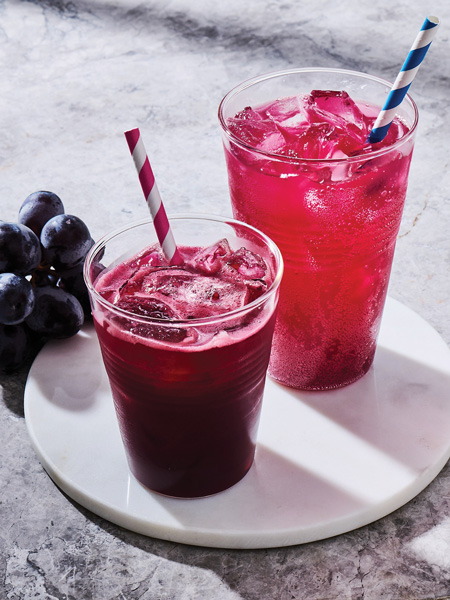
California Grape Wellness Juice
Servings: 3 (1 cup each)
- 5 cups black or red Grapes from California
- 1/2 cup peeled raw beet slices
- 3/4 cup orange juice
- 1/4 cup lemon juice
- 1 small carrot, peeled and sliced
- 1 piece fresh turmeric (1-inch), peeled and sliced or1 teaspoon ground turmeric
- In high-speed blender, puree grapes, beet slices, orange juice, lemon juice, carrot and turmeric until smooth.
- Pour through fine mesh sieve, stirring to extract as much juice as possible, about 3 cups. Stop when mixture starts to get thick. Enjoy immediately or cover and refrigerate until ready to serve.
Notes: This juice can also be added to iced tea or fizzy water.
Nutritional information per serving: 230 calories; 3 g protein; 58 g carbohydrates; 0.5 g fat (2% calories from fat); 0 g saturated fat (0% calories from saturated fat); 0 mg cholesterol; 35 mg sodium; 0 g fiber.

SOURCE:
(Feature Impact) When it comes to stroke, time matters. Recognizing the warning signs and calling 911 quickly can help with receiving time-sensitive, life-saving treatment. Recovery should begin early, too.
Having a stroke can divide life into a stark before and after, affecting many aspects of daily life. While it’s easy to focus on the things a stroke can take away, it’s important to remember there’s life after stroke. Recovery isn’t just about relearning skills. It’s about adapting to new challenges, finding purpose in a different reality and continuing to move forward.
Navigating the aftermath of a stroke means balancing short-term and long-term plans. Once medically stable, rehabilitation should ideally begin within 48 hours, according to the 2026 Guideline for Adult Stroke Rehabilitation and Recovery from the American Stroke Association. Recovery doesn’t have a fixed end. Meaningful progress can continue for months or years after survivors leave the hospital or complete formal therapy.
“Stroke rehabilitation is complicated,” said Lorie Gage Richards, Ph.D., FAHA, volunteer chair of the new guideline, associate professor at the University of Utah and an occupational therapist. “Each person faces a different set of challenges and care should be personalized to fit each person’s needs. The goal is to help individuals gain as much independence as possible to perform everyday activities while improving their overall quality of life.”
Approximately 800,000 people have a stroke each year in the U.S, according to the American Heart Association’s 2026 Heart Disease and Stroke Statistics. Whether you’re navigating recovery yourself or supporting someone you love, connecting with a coordinated healthcare team is an important first step. Ask about a comprehensive assessment, develop a rehabilitation plan based on what matters to you and set small, achievable goals throughout recovery.
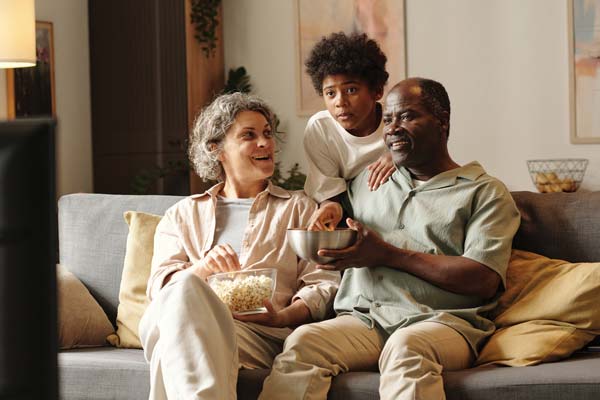
Building Skills and Independence
After a stroke, familiar parts of a daily routine may take more effort or require a new approach. A rehabilitation team can assess how stroke has affected movement, communication, thinking, vision, hearing and other abilities then develop a plan based on individual needs and goals.
Recovery doesn’t look the same for everyone. For one person, a meaningful goal may be dressing independently. For others, it could be returning to work, driving safely or participating in favorite activities. Start with manageable goals, evaluate progress and reassess the plan as needs change.
Understanding the Invisible Impacts
Some of the most challenging parts of recovery may be the ones others can’t see. For instance, you might lose confidence or sense of identity, have trouble concentrating or experience anxiety or depression. Along with mental and emotional changes, you may notice ongoing physical symptoms like pain, difficulty sleeping, changes in sexual function or difficulty with bladder control.
Invisible challenges don’t have to stay that way. Ask your healthcare team to assess your physical and emotional health, including depression and anxiety, during the hospital stay and throughout recovery. Speaking up about new or changing symptoms can help identify appropriate treatment and support.
Navigating Changing Relationships
When you have a stroke, your life isn’t the only one that changes. A partner, parent or friend may suddenly take on new responsibilities, making honest conversations about support especially important.
Family responsibilities may also look different. Parenting young children, supporting loved ones or balancing work and family can bring new challenges during recovery. Give yourself permission to slow down, accept care and connect with the people who matter most.
Finding Purpose and Redefining Success
Recreation, hobbies, social connections and other meaningful activities are an important part of recovery and can help people regain confidence, participate in their communities and improve quality of life. That may mean returning to music, art, exercise or time with friends. It could also mean modifying favorite activities, discovering new interests or connecting with a support group.
Life after stroke may look different, but different doesn’t mean less meaningful. Recovery isn’t measured by how closely someone returns to who they were before. It’s about finding new ways to pursue what matters most and continuing to move forward.
Learn more about recognizing stroke, preparing for rehabilitation and adjusting to life after stroke by visiting Stroke.org.
Photos courtesy of Shutterstock

SOURCE:





-

 NEWS3 years ago
Suspect indicted, jailed in Tia Hutson murder
-

 NEWS4 years ago
Wreck takes the life of BHS teen, 16
-
 NEWS3 years ago
Murder unsolved – 1 year later Tia Hutson’s family angry, frustrated with no arrest
-
 NEWS4 years ago
SO investigating possible murder/suicide
-
 NEWS4 years ago
2 hurt, 1 jailed after shooting incident north of Nocona
-
 Show us something good9 years ago
Country music star children perform in Bowie
-
 100th Birthday4 years ago
Looking back at the 1958 Centennial edition of The Bowie News
-
NEWS4 years ago
Sheriff’s office called out to infant’s death