
HOME
Lead Contamination in City Water

Dear EarthTalk: I find it hard to believe that Flint, Michigan is the only city or town in the U.S. with lead contamination of its water system. Has anyone looked at where else this could be a problem? — Jason K., Clearwater, FL
A new analysis of data from the U.S. Environmental Protection Agency (EPA) by the non-profit Natural Resources Defense Council (NRDC) found that 18 million Americans live in communities where water systems contain unsafe levels of lead. In “What’s In Your Water: Flint & Beyond,” NRDC reports that 5,300 different water systems across the country either shirked responsibilities to treat their water supplies to reduce lead levels, failed to monitor water supplies for lead, or neglected to report unsafe lead levels to the public or regulators. “These violations were recorded because the systems were not doing everything that they are required to do to protect the public from lead issues,” added NRDC.
“Imagine a cop sitting, watching people run stop signs, and speed at 90 miles per hour in small communities and still doing absolutely nothing about it—knowing the people who are violating the law…” said Erik Olson, NRDC’s health program director. “That’s unfortunately what we have now.”
Even more surprising to NRDC is the fact that Flint didn’t even show up as having violations for lead in the EPA’s database, illustrating “the serious problem of underreporting and gaming of the system by some water supplies to avoid finding lead problems, suggesting that our lead crisis could be even bigger.”
Of course, Flint is far from the only metropolitan area with contaminated water supplies. Researchers believe thousands of water supplies across the country have been “gaming” the system for decades, with the EPA turning a blind eye to the situation.
“Cheating became something you didn’t even hide,” Marc Edwards, the Virginia Tech researcher credited with exposing water supply management issues in Washington DC and later Flint, recently told CNN. Some of the most common “bad practices” by water supply managers include testing only homes that are unlikely to have high levels of lead, asking residents to “pre-flush” their taps, and taking water samples slowly to reduce lead levels.
For its part, the EPA says that individual states are responsible for the majority of drinking water enforcement actions and should continue to be “the first line of oversight” of drinking water systems. The agency adds that “many of the drinking water systems that NRDC cites in its analysis are already working to resolve past violations and return to compliance with the Safe Drinking Water Act.”
So what’s to be done? According to NRDC, fixing Flint—with both emergency relief and long-term infrastructure and systemic improvements—should be priority #1. Beyond Flint, NRDC says that the EPA should be taking a hard look at the rest of the country’s water infrastructure, removing lead service lines and fixing other water problems, especially in underserved communities.
To find out if your community is affected, check out NRDC’s interactive map showing which communities’ water systems were in violation of the EPA’s “lead action level” of 15 parts per billion (ppb) and which have failed to monitor or report on lead levels.
CONTACTS: NRDC’s “What’s In Your Water: Flint & Beyond,” www.nrdc.org/resources/whats-your-water-flint-and-beyond; EPA, www.epa.gov.
EarthTalk® is produced by Roddy Scheer & Doug Moss and is a registered trademark of the nonprofit Earth Action Network. To donate, visit www.earthtalk.org. Send questions to: question@earthtalk.org.
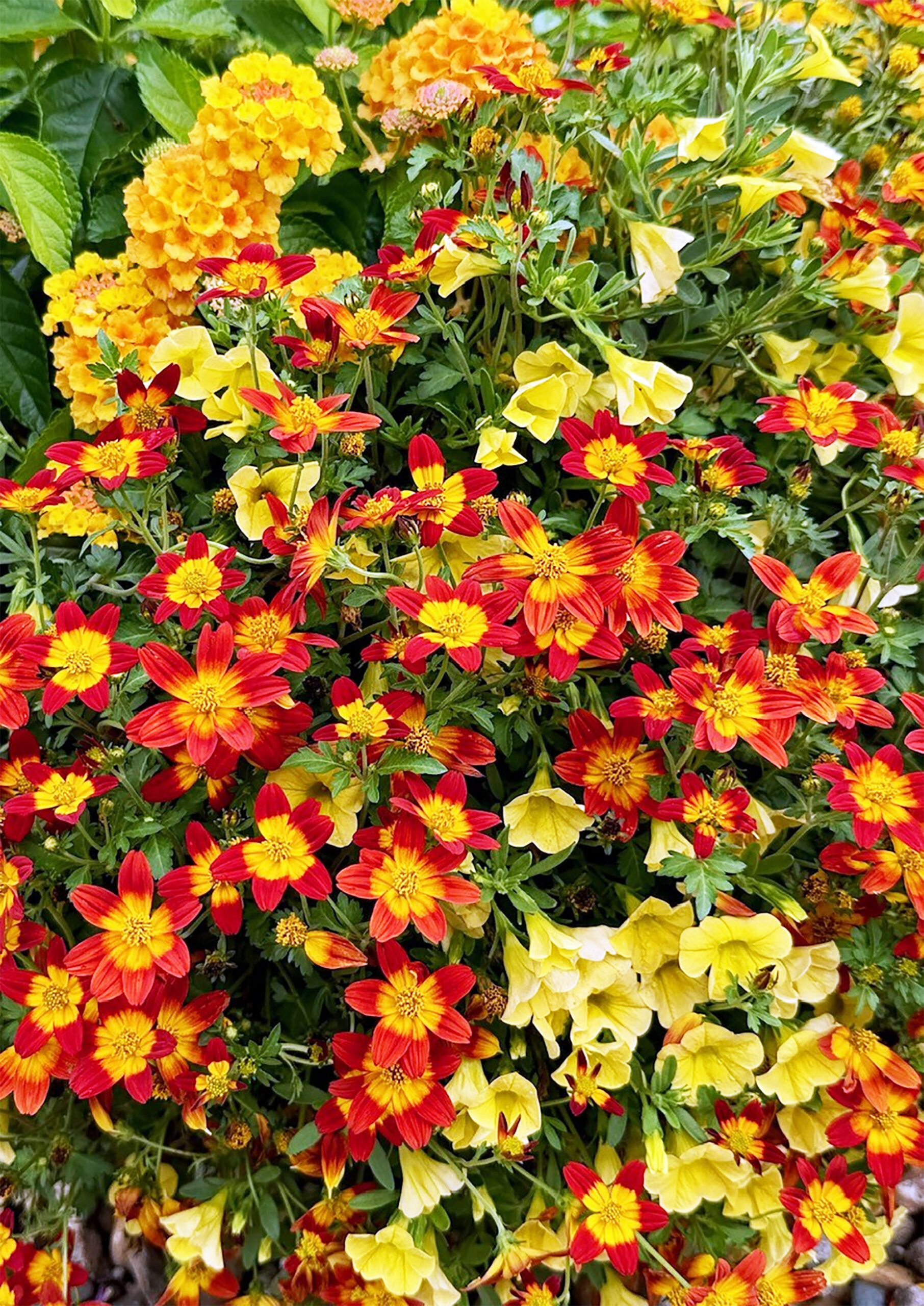
This summer the plant trials have been riotous in their displays of colors in the recipe section.
One that caught my eye this year was Merry Go Round which was full of colors from the hot side of the color wheel. One featured plant was Campfire Red Ember.
Red Ember is one of the three in the Campfire series. Campfire Marshmallow, Campfire Flame and Campfire Red Ember. They are known botanically as Bidens and are native to Mexico and the Southwest.

I don’t think any of us need the government to tell us groceries are expensive. We know it when we stand in the meat aisle and lower our standards real fast from 90% lean to 80% lean hamburger meat.
Still, the numbers are interesting.
According to the latest Bureau of Labor Statistics report, grocery prices in July were 2.7% higher than they were a year ago. Beef is where things really hurt. Beef prices were up 9.4% from last July, and uncooked ground beef was up 9%.
Chicken, on the other hand, was actually down 2.7% over the same period, which makes it one of the better bargains in the meat case right now.
The BLS average-price survey puts a pound of ground chuck at $6.85 in July. Two years ago, in July 2024, that same national average was $5.47.
So maybe it is time to resurrect something our mothers and grandmothers understood very well.
Read the full On the Table feature in the Sept. 17 Bowie News.
Big-Pan Chicken Spaghetti
A pound of diced chicken can disappear beautifully through an entire pan of pasta.
Ingredients
- 1 pound boneless chicken, diced
- 12 ounces spaghetti
- 1 small onion, chopped
- 1 can cream of chicken soup
- 1 can cream of mushroom soup
- 1 can Rotel-style tomatoes
- 1 cup chicken broth
- 2 cups shredded cheese, divided
- 1 teaspoon garlic powder
- Salt and pepper
Cook spaghetti just until tender and drain.
Meanwhile, sauté diced chicken and onion until chicken is cooked through.
Mix spaghetti, chicken, soups, tomatoes, broth, garlic powder and 1 cup cheese. Spread into a greased 13×9 pan.
Top with remaining cheese and bake at 350 degrees for 25 to 30 minutes.
Have half a bag of frozen peas, broccoli or mixed vegetables lingering in the freezer? Throw them in. This is a forgiving recipe.
Serves 8 to 10.
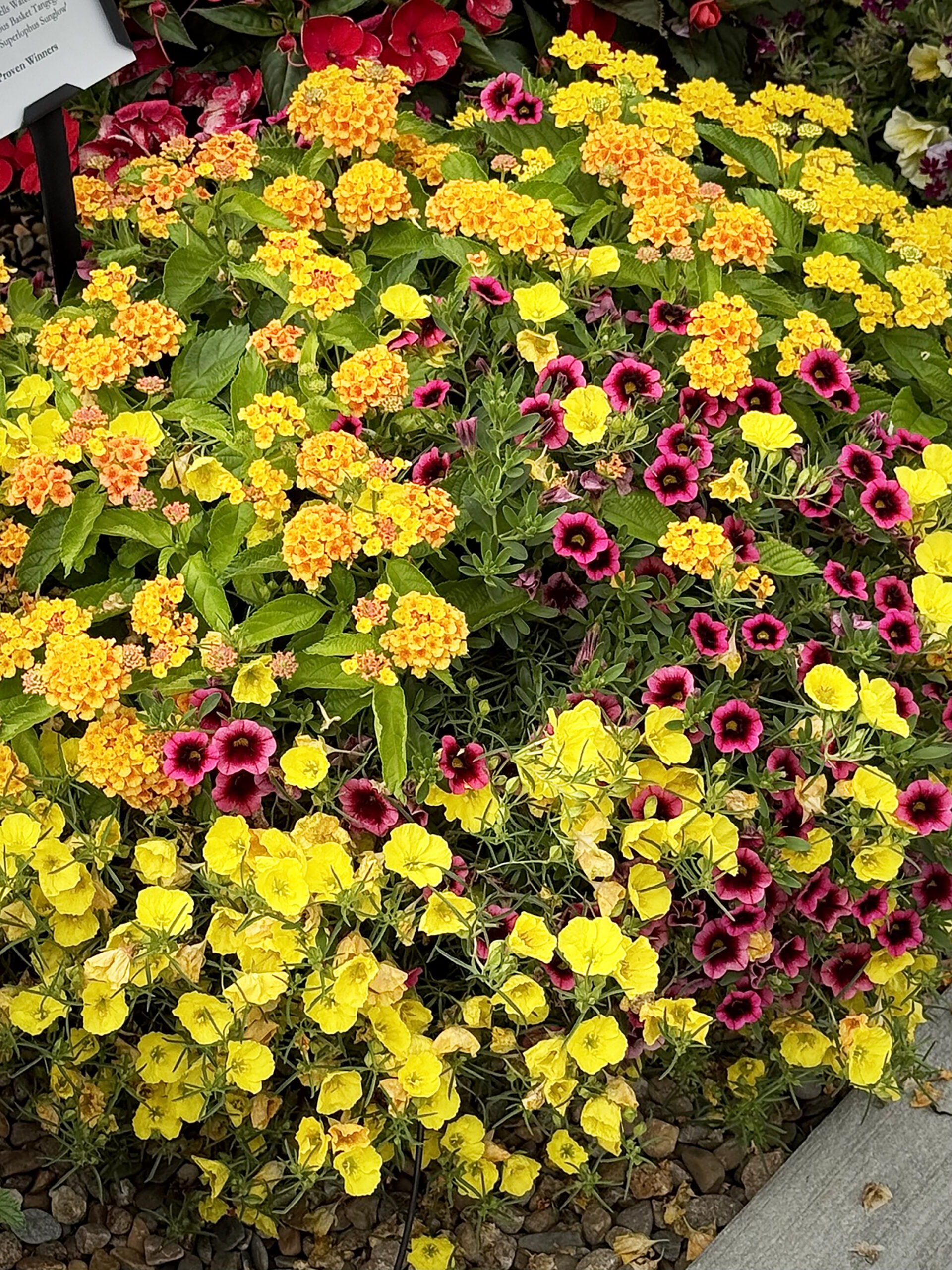
Perfect Score, Director’s Select, Best of the Best and Leader of the Pack are just a few of the awards for Superlophus. I’m also reasonably sure you are thinking: What is a Superlophus?
Superlophus Sunglow is the official name botanically known as an Oenothera commonly called Texas Primrose. That’s right: This golden yellow flower that is a non-stop bloomer and tough-as-nails is a native selection and winner of 15 awards from Canada to Mississippi.
Read the full Garden Guy feature in the Thursday Bowie News.






-

 NEWS3 years ago
Suspect indicted, jailed in Tia Hutson murder
-

 NEWS4 years ago
Wreck takes the life of BHS teen, 16
-
 NEWS4 years ago
2 hurt, 1 jailed after shooting incident north of Nocona
-
 NEWS3 years ago
SO investigating possible murder/suicide
-

 NEWS3 years ago
Murder unsolved – 1 year later Tia Hutson’s family angry, frustrated with no arrest
-
 Show us something good9 years ago
Country music star children perform in Bowie
-
 100th Birthday4 years ago
Looking back at the 1958 Centennial edition of The Bowie News
-
NEWS3 years ago
Sheriff’s office called out to infant’s death