
SPORTS
National Invasive Species Awareness Month Feb. 20-26, combat harmful plants, wildlife

AUSTIN – The Texas Parks and Wildlife Department (TPWD) asks Texans to join the fight against invasive species that negatively impact the state’s natural resources and economy. National Invasive Species Awareness Week (NISAW), slated for Feb. 20–26, is an initiative to raise awareness of the threats and provide solutions on how to prevent the spread of invasive species.
“During National Invasive Species Awareness Week, and throughout the year, we want to encourage all Texans to take time to prevent new introductions and spread of invasive species and help to protect our natural resources for the enjoyment of future generations,” said Monica McGarrity, TPWD Senior Scientist for Aquatic Invasive Species.
Invasive species are non-native to an ecosystem and can cause environmental or economic damage and harm to human health and quality of life. In addition, invasive species are expensive to control and can be impossible to eradicate once established, and can inflict costly damage to crops, fisheries, forests and more. According to recent estimates, these costs total approximately $219 billion across the United States every year. Many invasive species are spread (inadvertently or intentionally) by humans, who play an important role in preventing their spread to new areas.
A variety of non-native plants, animals, insects and even diseases can become invasive when they enter a new environment, growing or reproducing rapidly and potentially outcompeting native species. This allows them to become established and problematic across large areas. They can be introduced by humans in a variety of ways, including intentional introduction through aquarium dumping, live bait releases or outdoor plantings, or accidentally as “hitchhikers” carried through recreational activities.
These risky recreational activities can include hauling firewood long distances for a campfire or moving a boat from one reservoir to another without properly cleaning, draining and drying it first. Once introduced, some species can harm native species and ecosystems, impact recreational activities, damage infrastructure and require costly, long-term management in cases where control is possible.
This year for NISAW, TPWD offers five easy actions anyone can take to help prevent or slow the spread of invasive species in Texas.
Never Dump Your Tank
Don’t dump anything — whether it’s fish, animals or plants — out of an aquarium into any of Texas’ waterbodies. The same is true for flushing them down the toilet. Whether saltwater or freshwater, there’s a good chance your aquarium fish, animals and plants are not native to Texas. If dumped into the wild, they can quickly introduce diseases and establish themselves at the expense of native aquatic life, vegetation and reef systems. Learn more on the Texas Invasives website.
Similarly, you should never release any animal that you have purchased as a pet into the wild. Most likely your pet is not native to Texas and could cause serious harm to our native species and ecosystems. Find more resources on the Don’t Let It Loose website.
Use Your Bait Where You Catch It / Never Dump Your Bait
Many people don’t realize the potential impact that releasing live bait can have on aquatic life. Bait bucket introductions — anglers dumping live bait into a water body other than the one where it was caught — are one of the most common ways we spread aquatic invasives.
Just remember this: Don’t dump leftover bait in the water at the end of a fishing trip and don’t take live-caught bait (or any bait that’s touched lake water) to another lake to use. Alternatives include taking your bait home to use on a future fishing trip at that same lake, offering it to another angler to use or placing it in the trash.
For more information, check out this TPWD magazine article.
Plant Native
When landscaping near your home or planting a garden, it’s important that you choose plants that are native to your region. Non-native plants can escape cultivation and become invasive and have an impact on water quality, biodiversity, fish and wildlife habitats and more. Learn about great native plants to plant in your garden and find native plant suppliers on the Lady Bird Johnson Wildflower Center website.
Don’t Carry Hitchhikers
You could be carrying invasive species with you when you’re enjoying outdoor recreation and not even know it. Insects and plants, including plant seeds, can hitch a ride on your clothes, shoes, gear or even your firewood. You can help stop the spread by removing plants, animals and mud from clothes, boots, gear, pets and vehicles, cleaning your gear before entering and leaving recreation sites, using only local firewood and simply staying on designated roads and trails. Learn more on the Play, Clean, Go website.
Clean, Drain and Dry Your Boat and Gear
Boaters can help keep zebra mussels, giant salvinia and other invasive species from being moved and harming more lakes. We ask all boaters to take a few minutes to properly clean, drain and dry their boats and equipment before they leave a lake every time they go boating. Remove plants, mud and debris from the boat and trailer and drain all the water from the boat and gear. Once you get home, open up compartments and allow everything to dry completely.
For more information on how to properly clean, drain and dry boats and equipment, visit the TPWD YouTube channel for a short instructional video. If you have stored your boat on the water at a lake with zebra mussels, it is likely infested and at high risk for spreading this invasive species. Before moving it to another lake, call TPWD at (512) 389-4848 for guidance on decontamination.
Learn more about aquatic invasive species on the Stop Invasives page of the TPWD website.
TPWD also encourages the public to use the Texas Invaders app or website to report sightings of invasive species, whether in your backyard or in wild spaces. Citizens can learn how to identify invasive species on the Texas Invasives website.
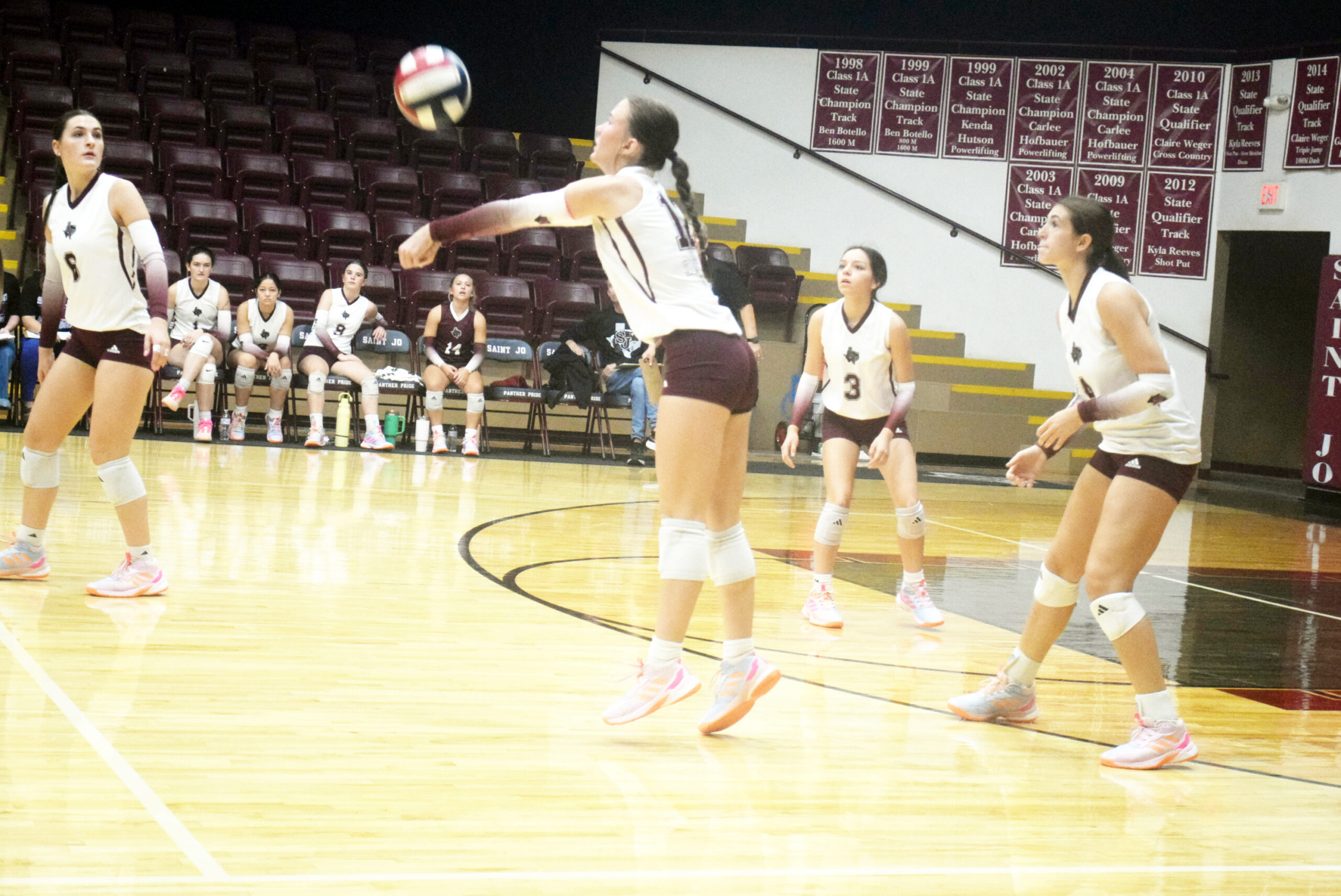
Saint Jo hosted its own volleyball tournament Sept. 10-12.
In its first match, the Lady Panthers bested Sam Rayburn in a b est-of-three match 2-1 (25-11, 23-25, 25-14.) In the opener, senior Tatum Morman staked the Lady Panthers to a 4-0 lead with help from Kamron Skidmore and Olivia Johnson kills. The Lady Rebels would come back and tie the game at seven.
Savannah Hill’s kill broke serve and allowed Abby Carter to string together seven points. An ace and a Hill kill helped keep the drive alive. Hill later rolled off six points in a row, helped by two aces, to go up 23-10. Sam Rayburn broke serve but Saint Jo finished the game with a single Morman point.
Sam Rayburn came right out of the gate firing in the second game leading 4-0. A single Carter point, thrown down by a Hill block, and Hill’s four-point skein put the Lady Panthers up 8-6. Sam Rayburn tied the game at eight.
For further details, pick up a copy of Thursday’s Bowie News.

Forestburg’s volleyball team gave visiting Chico a solid test Sept. 8, but the Lady Dragons rebounded from a third-set loss to pull out the 3-1 win (25-23, 25-19, 25-27, 25-19).
The Lady Longhorns got out to a quick start with aces from freshmen Madi Wadsworth and Lacie Shotwell staking the squad to a 4-1 lead in game one. Wadsworth later broke a 4-all tie with a kill.
Addy Conway rolled off four straight points, helped by a Wadsworth kill to give Forestburg an 11-9 lead. Chico took a 16-14 lead but a Brenna Briles ace and Jocelyn Rich’s two points forced Chico into a timeout down 17-19.
The respite worked as it would be Forestburg’s last lead of game one, the Lady ‘Horns not having another serving point.
For further details, pick up a copy of Thursday’s Bowie News.
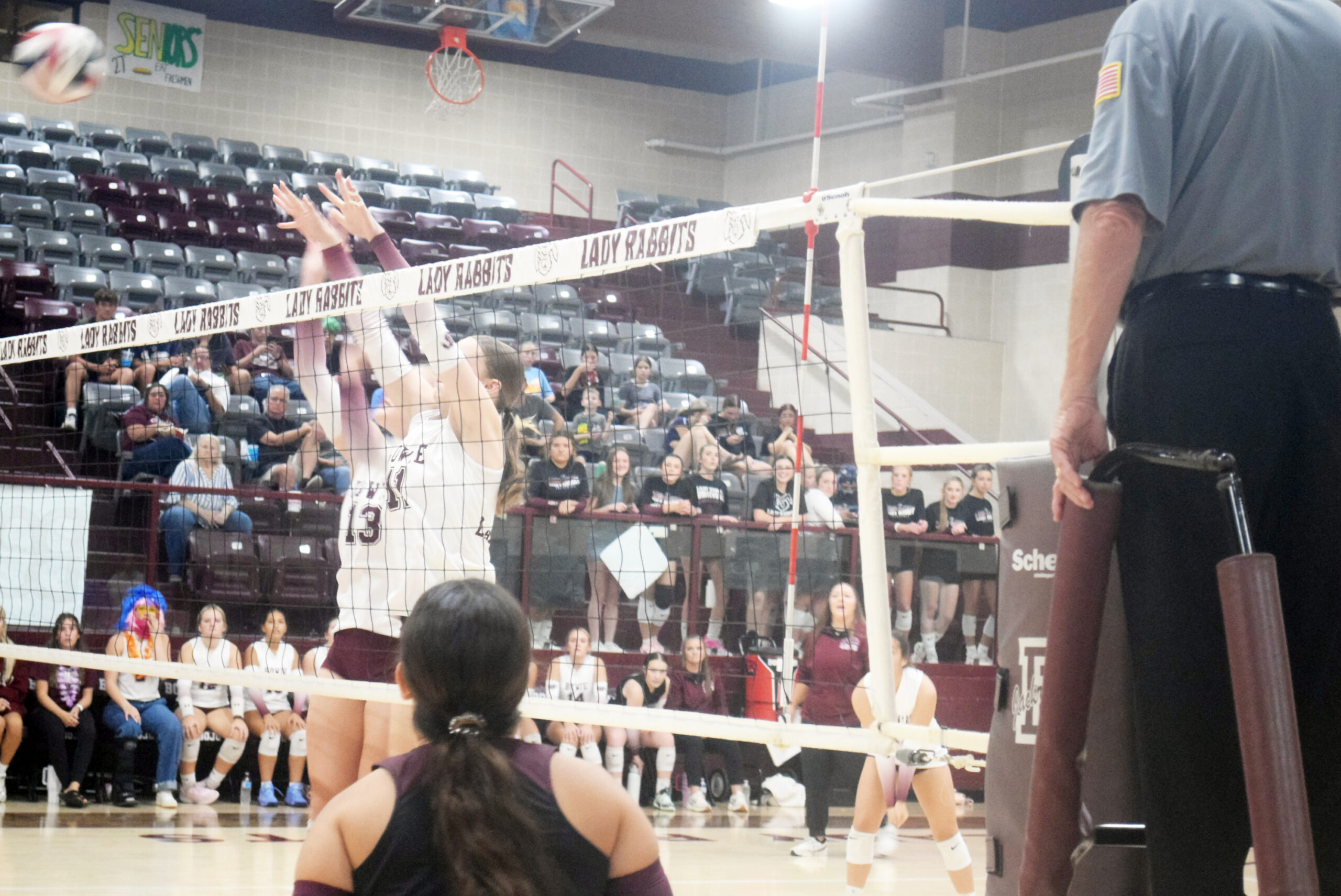
After splitting the first two games with Vernon Northside, Bowie’s volleyball team turned things out and wound with a 3-1 match win (25-17, 15-25, 25-17, 25-17).
Molly Enlow used two aces amidst a four-point string to give the Lady Rabbits a 5-1 lead in game one. Senior KP Rutherford’s pair of points extended the lead to 8-3.
Northside cut the deficit to 10-11 before Rutherford’s kill broke serve.
Bella Culwell’s point, aided by an Ellie Mowery kill, put Bowie up 13-10. Northside tied the game at 13 before Rutherford came through with another pair for a 17-14 lead. Lillie Maddox also had a deuce for a 20-15 lead and force a Lady INdian timeout.
Northside broke serve but a Sophie Maddox block and Lillie Maddox three-point string gave the squad game point at 24-16. The squads exchanged side outs to end the game.
For further details, pick up a copy of Thursday’s Bowie News.






-

 NEWS3 years ago
Suspect indicted, jailed in Tia Hutson murder
-
 NEWS4 years ago
2 hurt, 1 jailed after shooting incident north of Nocona
-

 NEWS4 years ago
Wreck takes the life of BHS teen, 16
-
 NEWS3 years ago
SO investigating possible murder/suicide
-
 NEWS3 years ago
Murder unsolved – 1 year later Tia Hutson’s family angry, frustrated with no arrest
-
 Show us something good9 years ago
Country music star children perform in Bowie
-
 100th Birthday4 years ago
Looking back at the 1958 Centennial edition of The Bowie News
-
NEWS3 years ago
Sheriff’s office called out to infant’s death