
NEWS
Wildland fire preparedness levels raised due to increased fire risk


COLLEGE STATION, Texas — Texas A&M Forest Service raised the Wildland Fire Preparedness Level to Level 2 due to the threat of increased wildfire activity across several regions of the state.
Preparedness Levels are planning assumptions that are dictated by fuel and weather conditions, current and expected wildfire activity and suppression resource availability.
“As dry conditions expand across the state, Texas A&M Forest Service has mobilized additional resources to areas of concern,” said Wes Moorehead, Texas A&M Forest Service Fire Chief. “This level of readiness elevates us to a Preparedness Level 2. Agency fire managers continuously monitor conditions and assess needs locally to best position agency resources across areas of concern for a quick and effective response to any request for assistance.”
This week, a warm and dry fire environment will support wildfire activity for much of the state.
Dry vegetation across the western half of the state may support increased activity in dry, dormant grasses through Wednesday. Areas with dry vegetation south and west of Amarillo and Wichita Falls down to Del Rio will see an increase in activity when exposed to periods of elevated localized fire weather.
A storm system and cold front is forecast to move into Texas on Thursday bringing elevated fire weather to areas south of Lubbock to Abilene and into South Texas. Dry, dormant grasses, record high temperatures and increased wind speeds may support wildfire activity in these areas.
To prepare for wildfire danger this week, Texas A&M Forest Service is opening the Abilene Airtanker Base as well as single engine air tanker bases in Alpine and Alice.
One large airtanker, seven single engine air tankers, one air attack platform and one aerial supervision module are scheduled to arrive Wednesday to assist with wildfire response in the state.
“Texas A&M Forest Service relies on aviation resources during periods of high fire activity to provide support to ground crews and assist in protecting homes as well as other critical infrastructure,” said Moorehead. “Suppression aircraft can respond quickly, increasing the likelihood that a new ignition remains a small, manageable wildfire.”
The agency continues to maintain fully staffed task forces across the state. Additional suppression equipment and personnel including fireline supervisors, command staff and incident commanders with advanced qualifications have been positioned in the Texas Panhandle and across South and West Texas to support response efforts.
Five strike teams mobilized via the Texas Intrastate Fire Mutual Aid System (TIFMAS) are positioned across areas of concern.
On Sunday, Feb. 26, a dynamic and complex storm system impacted the state bringing severe storms to the Texas Plains followed by strong westerly winds with speeds between 30 and 50 mph and gusts up to 70 mph.
The magnitude of the fire weather that was observed supported the growth of several wildfires, including the Big Fin Flats Fire in Oldham County (5,569 acres, 100% contained) and the Cobble Switch Fire in Hockley County (344 acres, 100% contained).
An ignition in Jeff Davis County near Fort Davis quickly became established in grass and juniper vegetation due to extreme fire weather on Sunday evening. The Solar Park Fire, which is currently an estimated 2,800 acres and 10% contained, is burning in complex, rugged terrain. Crews are unable to rely on heavy mechanized equipment, but additional Texas A&M Forest Service firefighters have been mobilized to assist with suppression efforts.
State and local firefighters have responded to 444 wildfires that have burned 12,845 acres this year.
Stay wildfire aware. If a wildfire is spotted, immediately contact local authorities. A quick response can help save lives and property.
Texas A&M Forest Service does not own any aviation resources but instead uses federal aviation contracts through the U.S. Forest Service and Bureau of Land Management for all firefighting aircraft.
For current conditions and wildfire outlook, visit the Texas Fire Potential Outlook https://bit.ly/3kemhbG.
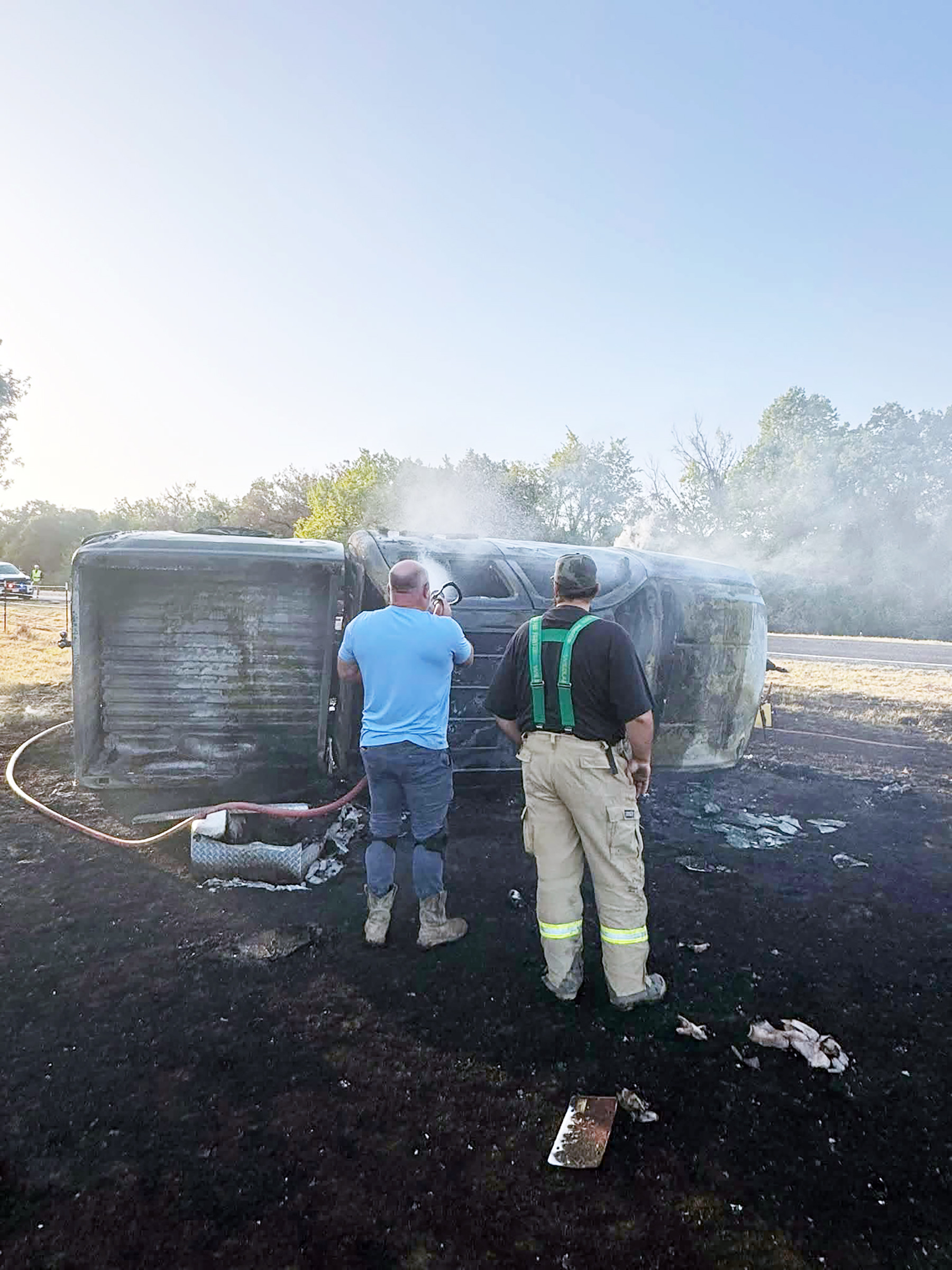
A Wednesday morning rollover on State Highway 59caused a vehicle to catch fire but had no injuries.
Montague County Public Information Officer Sgt. Aaron Randle said the call came in around 7:30 a.m. at the intersection of SH 59 and Nobile Road. When Montague Volunteer Fire Department firefighters arrived, the 2008 Chevy pickup had rolled over and was fully enguled in flames. The17-year-old adult driver was out of the vehicle.
Brandle said the fire was under control at 8:06 a.m. Bowie Emergency Medical Services was also on the scene.
By BARBARA GREEN
editor@bowienewsonline.com
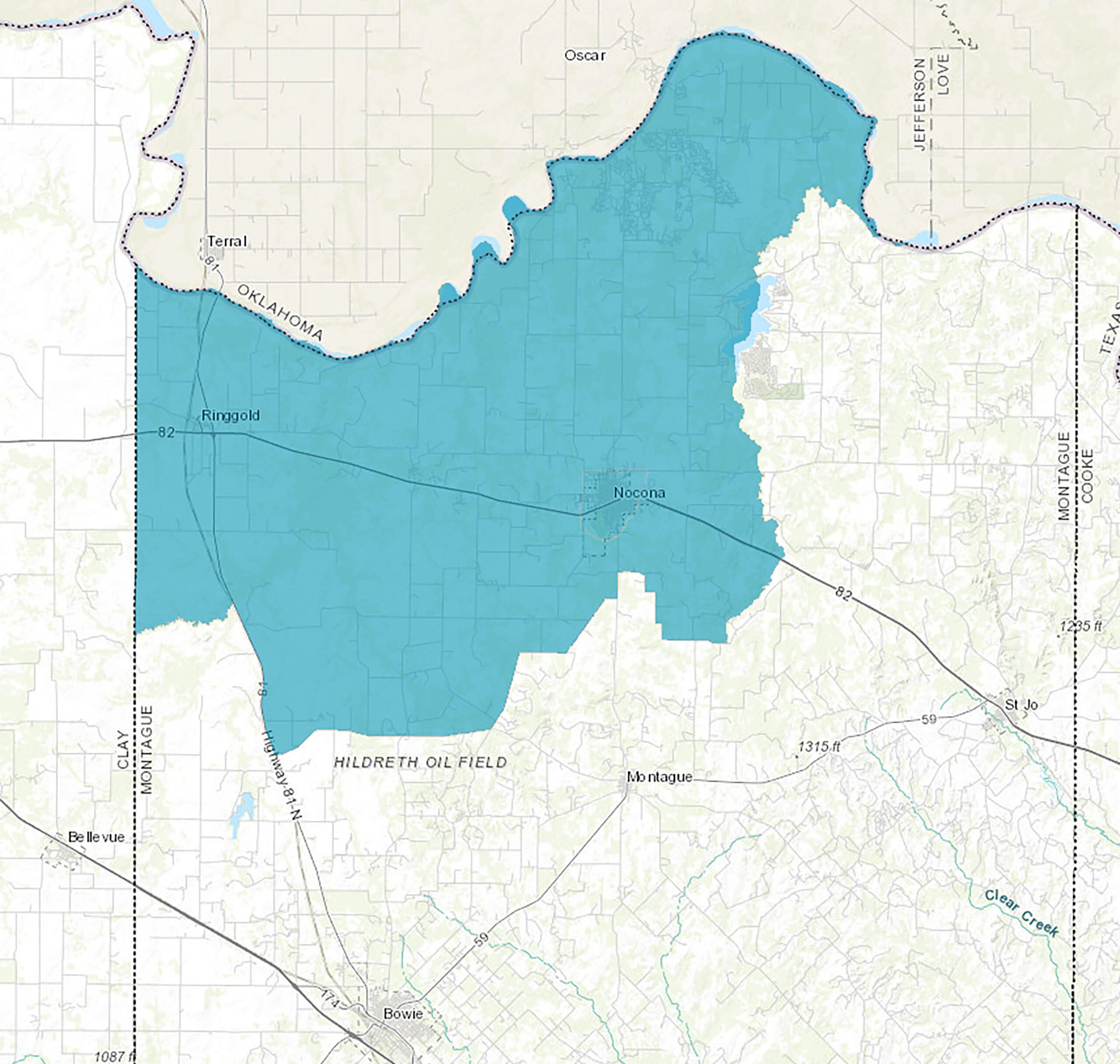
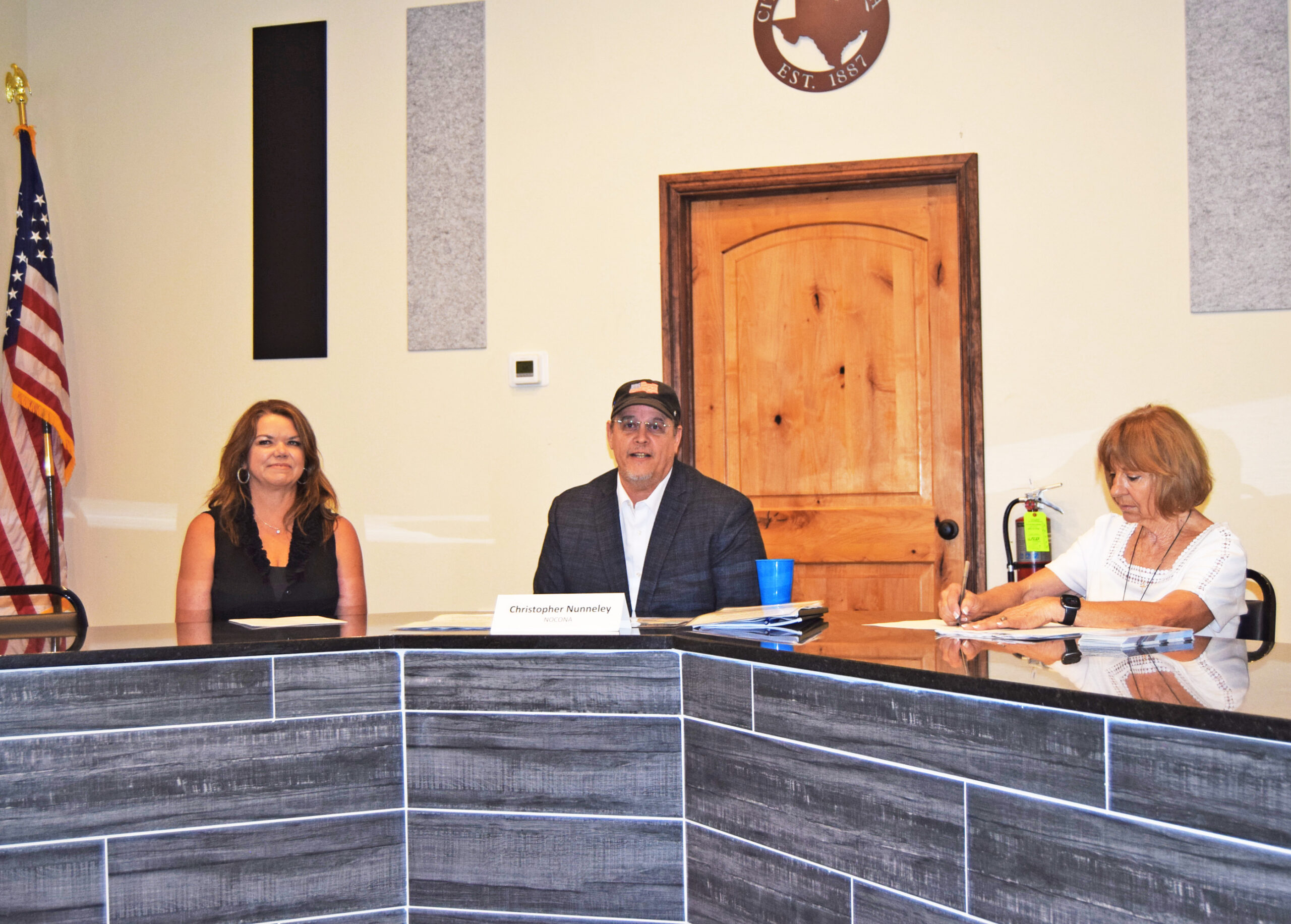
The City of Nocona has been nominated as a rural Opportunity Zone by Texas Governor Greg Abbott and Mayor Christopher Nunneley said they will begin “pitching” this federal tax angle to potential businesses.”
At a Tuesday afternoon press conference Nunneley, Donna Culpepper, executive director for the Nocona Economic Development Corporation and Michelle Page of the Nocona Chamber of Commerce announced the nomination and offered a brief overview of the federal tax incentives that can become available.
Read the full story in the Thursday Bowie News.

Remember Sept. 11 2001, 25 years later
While history will remember Sept. 11, 2001 among the darkest days in America’s history, it also is a day marked not only by tremendous heroism and bravery by first responders, but also every day Americans from all walks of life who showed the world our country would not be intimidated by terrorism.
There were 2,996 people killed during the attacks on Sept. 11, 2001 including 343 firefighters and paramedics, 23 New York city police officers and 37 Port Authority police officers. Tens of thousands more suffered in the aftermath due to exposure to chemicals and industrial debris.
The Bowie News editor asked some local lawmen, firefighters, a pilot and two retired FBI agents their memories of this tragic day and how their jobs were impacted by the events. We thank them for sharing their reflections.
Read the full feature in your Thursday Bowie News.






-

 NEWS3 years ago
Suspect indicted, jailed in Tia Hutson murder
-
 NEWS4 years ago
2 hurt, 1 jailed after shooting incident north of Nocona
-
 NEWS4 years ago
Wreck takes the life of BHS teen, 16
-
 NEWS3 years ago
SO investigating possible murder/suicide
-

 NEWS3 years ago
Murder unsolved – 1 year later Tia Hutson’s family angry, frustrated with no arrest
-
 Show us something good9 years ago
Country music star children perform in Bowie
-
 100th Birthday4 years ago
Looking back at the 1958 Centennial edition of The Bowie News
-
NEWS3 years ago
Sheriff’s office called out to infant’s death