
Live Better
Alleviating the burden in treating type 1 diabetes, chronic kidney disease


(Family Features) While diabetes gets a lot of attention, people with Type 1 Diabetes (T1D) are frequently overlooked when drug companies develop new medications.
“People with T1D and chronic kidney disease, or CKD, face significantly higher risks of morbidity and mortality if they are unable to control their blood sugar levels,” said Steve Edelman, MD, an endocrinologist and the founder and director of Taking Control Of Your Diabetes, a not-for-profit organization dedicated to educating and motivating people living with diabetes. “They are challenged to do this relying solely on insulin, which is extremely difficult and is the principal therapy for people with T1D.”
An estimated 1.7 million adult Americans have T1D, with approximately 21%, or 360,000, also affected by CKD, according to the CDC National Diabetes Statistics Report 2024. Without effective glycemic control (managing blood sugar) and other important preventative measures, patients with T1D are at a 10 times higher risk of cardiovascular disease, a six-fold greater risk of progression to end-stage kidney disease, a four times greater risk of heart failure and a 2-5 times greater risk of all-cause mortality.
Consider this information to better understand the challenges and risks of complications these patients face.
Challenges with Current Treatments Impact Patients’ Ability to Reach Glycemic Goals
Diabetes management aims to reduce the risks of cardiovascular disease, kidney failure, retinopathy, neuropathy and other complications, in part by improving glycemic control while minimizing the risk of hypoglycemia.
Currently, Americans with T1D have limited therapeutic options, relying almost exclusively on insulin. There are no oral agents to improve glycemia in adults with T1D. Despite advances in insulin therapy and glucose monitoring, most people with T1D do not meet glycemic control target levels with insulin alone. One measure of glycemic control is a number known as A1C, which is a measure of glucose control over the past 2-3 months.
The goal is to help patients achieve the guideline-recommended target of an A1C below 7% and improve their time-in-range, which represents an established metric that translates into clinically meaningful benefits for patients.
Reaching Glycemic Goals Are Key to Reducing Risk of Further Complications
By achieving glycemic control, kidney function can be stabilized, long-term disease progression mitigated and the morbidity and mortality that the cardiorenal burden puts on patients with T1D and CKD reduced.
Today, it is estimated only 23% of people with T1D achieve an A1C of less than 7%, according to research from the American Diabetes Association, and about 50% have an A1C greater than 8%. Patients who do not achieve A1C targets remain at significantly greater risk of complications associated with their condition.
“Relying solely on insulin can negatively affect a patient’s glucose control and quality of life,” said Dr. Edelman. “Doctors and patients need an oral agent to improve glycemic control in people with T1D and CKD. Therefore, we need therapeutic options that improve glycemic control and reduce their risk of kidney disease progression and cardiovascular comorbidities.”
Visit TCOYD.org to learn more about living with T1D and advocating for additional therapeutic options.
Photos courtesy of Getty Images
SOURCE:
Taking Care of Your Diabetes

(Feature Impact) Travelers are more likely to trust a travel advisor over AI when the trip becomes complicated, expensive or likely to change. According to new research from ALG Vacations, a leading vacation package provider, 77% of AI users say they are likely to still rely on a human to make final travel decisions when using AI to plan.
The pattern is strongest among younger travelers. Millennials and Gen Z are using travel advisors at the highest rates of any generation, even as they also report higher trust in AI travel recommendations. Younger travelers are using AI and travel advisors for different parts of the same trip.
Are Millennials and Gen Z still using travel advisors?
Yes. Younger travelers are using both AI and travel advisors. In fact, among AI users, the youngest generations use travel advisors most:
- 51% of Millennials have used a travel advisor when booking a vacation
- 51% of Gen Z say the same
- 44% of Baby Boomers report advisor use
- 43% of Gen X report advisor use
The same generations leading on advisor use are also the most trusting of AI travel recommendations. Among AI users, 31% of both Millennials and Gen Z say they completely trust travel recommendations generated by AI, compared with 12% of Baby Boomers. They are using both.
When should you use a travel advisor instead of AI?
Consider using a travel advisor over AI when the stakes are high. AI users turn to travel advisors most often in these scenarios:
- 36% when something goes wrong, such as a canceled flight or a double-booked hotel
- 31% for complex or multi-destination trips
- 27% for group or family travel
- 27% for luxury or high-cost trips
When forced to choose between AI and a travel advisor for final vacation decisions, 44% of AI users pick a travel advisor and 37% pick AI. Among Baby Boomers, the gap widens sharply, with 59% picking a travel advisor and 15% picking AI.
What does a travel advisor bring that AI cannot?
Travel advisors bring human judgment, planning experience and direct support when a trip becomes more complicated. Among AI users, 82% say having access to a human for support when booking a vacation is extremely or very important.
That support matters when travelers are comparing options, booking a higher-cost trip, coordinating multiple people or adjusting plans after a disruption. AI can organize information quickly, but travelers still cite practical concerns about relying on it entirely.
The specific value travel advisors provide includes:
- Relationships with the people who run resorts, hotels and tour operators
- Access to deals and amenities not always available to the public
- Firsthand experience and industry knowledge
- Real-time support when plans change
- Judgment and personalization for complex trip planning
The top concerns AI users have about relying entirely on AI include important details being missed (42%), privacy or security concerns (42%) and having no support if something goes wrong (39%).
Is AI going to replace travel advisors?
No. The data shows AI and travel advisors, still commonly known as travel agents, serving complementary roles rather than competing ones.
AI is used for the research and inspiration stages of travel planning. Travel advisors are used for the booking, more complex decisions and moments when travelers want a person involved.
AI is now part of how people plan trips. Travel advisors are too. The travelers most comfortable using AI are also the ones turning to advisors most often.
To learn more about ALG Vacations and connect with a travel advisor, visit alg.www.vaxvacationaccess.com.
Methodology
ALG Vacations commissioned Atomik Research to conduct an online survey of 1,000 U.S. adults who currently use AI tools. The margin of error is plus or minus 3 percentage points at a 95 percent confidence level. Fieldwork was conducted between April 24 and April 28, 2026.
Atomik Research, part of 4media group, is a creative market research agency.
SOURCE:
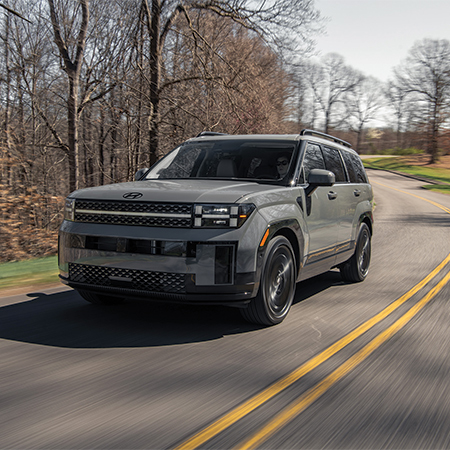
(Feature Impact)For most households, buying a new vehicle is one of the largest financial decisions they’ll make. The purchase price is only the beginning, however. Fuel, maintenance, depreciation and insurance all contribute to the total cost of ownership, making affordability a consideration that extends well beyond the showroom.
To help consumers make more informed purchasing decisions, Mercury Insurance recently released its annual rankings of the most affordable new 2026 model year vehicles to insure, identifying the top-performing SUV, truck, sedan and electric or hybrid vehicles in four of today’s most popular categories.
“Consumers naturally compare purchase price, fuel economy, safety ratings and technology features before buying a vehicle,” said Chong Gao, director of research and development for Mercury Insurance. “Insurance is one of the few ownership costs drivers can estimate before making a purchase. Factoring it into the decision gives consumers a more complete picture of what that vehicle is likely to cost over the years they own it.”
While every driver’s premium is unique, this year’s rankings also revealed a broader trend: Practical, mainstream vehicles continue to offer some of the strongest long-term insurance value.
“Vehicles designed for everyday drivers often strike the best balance between safety, repairability and replacement costs,” Gao said. “That’s reflected in this year’s rankings, where familiar models from manufacturers like Hyundai, Chevrolet, Honda, Kia and Volkswagen rose to the top. It reinforces the idea that choosing a practical vehicle can pay dividends well beyond the purchase price.”

A Cost You Can Plan For
Unlike unexpected repairs or fluctuating fuel prices, insurance is a predictable ownership expense consumers can research before purchasing a vehicle.
Comparing insurance costs alongside purchase price, fuel economy, maintenance expenses and expected repair costs can help shoppers better understand the long-term financial commitment of vehicle ownership.
Factors Influencing Insurance Costs
Insurance costs are influenced by many factors, but repair complexity, parts availability, vehicle safety systems and historical claims experience all contribute to how a vehicle is insured. While advanced safety technology can help reduce accidents, vehicles that are easier and less expensive to repair can also help improve long-term affordability. Among the considerations insurers evaluate are:
- Repair and replacement costs
- Historical claims experience
- Vehicle safety features and crash performance
- Theft frequency
- Availability and cost of replacement parts
- Vehicle performance characteristics
The Most Affordable Vehicles to Insure
This year’s rankings show practical, mainstream vehicles continue to offer some of the strongest insurance value. The top spot in both the SUV and electric and hybrid categories was claimed by Hyundai while Chevrolet led the truck category and Volkswagen topped the sedan rankings. Rounding out Mercury’s rankings were several familiar nameplates recognized for balancing insurance affordability with everyday value.
SUVs:
- Hyundai Santa Fe
- Chevrolet Blazer
- Honda Pilot
- Kia Sportage
- Honda Passport
Trucks:
- Chevrolet Colorado LT
- Chevrolet Silverado C3500
- Ford Maverick and Ranger
- Hyundai Santa Cruz SE
- Toyota Tundra CrewMax
Sedans and Coupes:
- Volkswagen Golf R
- Acura Integra
- Honda Prelude
- Kia K4
- Mazda3
Electric and Hybrids:
- Hyundai Santa Fe Hybrid
- Chevrolet Blazer EV
- Kia Sportage Hybrid
- Ford Escape Hybrid
- Honda CR-V Hybrid
“The smartest vehicle purchase isn’t always the one with the lowest sticker price,” Gao said. “It’s the one that delivers the best overall value over time. Comparing insurance before buying gives consumers another tool to make a more informed decision.”
Visit MercuryInsurance.com to see the full rankings and request a quote to get a more complete understanding of long-term ownership costs.
Photo courtesy of Hyundai America (Hyundai Santa Fe)
Photo courtesy of Shutterstock (couple using laptop)

(Feature Impact) Summertime means sunshine, longer days, family vacations and social events everywhere you look – but summer can slip away if you feel too tired and distracted to make the most of your experiences.
According to a survey conducted by Atomik Research on behalf of Botanic Tonics, many adults ages 21 and older struggle to feel fully present in summer activities. Nearly half of respondents said having enough energy and a clear mind would help them get more enjoyment out of the summer moments that matter most.
With that in mind, here are five simple daily habits to support your energy and focus throughout the rest of the summer season.
Improve Your Sleep Quality
It might sound obvious, but getting better sleep should be a top priority for anyone trying to harness more physical and mental energy throughout the day. Keep your bedroom cool, dark and quiet; avoid consuming caffeine too close to bedtime; and wind down with a relaxing routine like reading or yoga.
Get Regular Exercise
Even though a workout consumes energy in the short term, it pays you back with dividends. Just 30 minutes of movement a day – including favorite summer activities like swimming or playing games in the yard – can improve your mood. Physical movement also helps reduce stress, which was a reported obstacle for 33% of survey respondents who wished they could be more present with friends and family during the summer months.
Stay Hydrated
When the weather is hot, it becomes more important to stay on top of your hydration. Even mild dehydration can negatively impact your energy and focus. When you’re out of the house, bring a reusable water bottle and set reminders to drink regularly, especially during and after outdoor activities.
Limit Device Usage
When you’re feeling sluggish, it can be tempting to collapse on the couch or in bed to scroll on your phone or watch TV. There’s nothing wrong with screen time in moderation, but digital fatigue is real and it can drain your energy and disrupt your sleep. Plus, 49% of surveyed adults said social-media-driven FOMO (“fear of missing out”) made it harder for them to enjoy their summer experiences in the moment.
Try Botanical Energy Offerings
When energy levels start to dip, it’s easy to reach for a cup of coffee, a sugary energy drink or soda. Products made with thoughtfully sourced botanical ingredients offer a different approach. For example, Botanic Tonics’ “feel free” kava-centric supplements are designed to deliver chilled energy: a unique combination of energy, focus and elevated mood.
For smooth, sustained energy without caffeine jitters or sugar crashes, try KavaMaté, crafted with noble kava root and yerba maté. For those looking to elevate their mood and enhance focus, feel free Classic is thoughtfully crafted with noble kava root and natural whole leaf kratom – never synthetic ingredients, alcohol or concentrates.
Learn more about these products, responsible consumption and where to purchase at BotanicTonics.com.
Photo courtesy of Shutterstock
SOURCE:






-

 NEWS3 years ago
Suspect indicted, jailed in Tia Hutson murder
-
 NEWS4 years ago
2 hurt, 1 jailed after shooting incident north of Nocona
-

 NEWS4 years ago
Wreck takes the life of BHS teen, 16
-
 NEWS3 years ago
SO investigating possible murder/suicide
-

 NEWS3 years ago
Murder unsolved – 1 year later Tia Hutson’s family angry, frustrated with no arrest
-
 Show us something good9 years ago
Country music star children perform in Bowie
-
 100th Birthday4 years ago
Looking back at the 1958 Centennial edition of The Bowie News
-
NEWS3 years ago
Sheriff’s office called out to infant’s death