Connect with us

HEALTHY LIVING

19 Eyeshadow Basics Everyone Should Know

Published

on

Skip the smokey eye and get back to basics.

By Natalie Brown

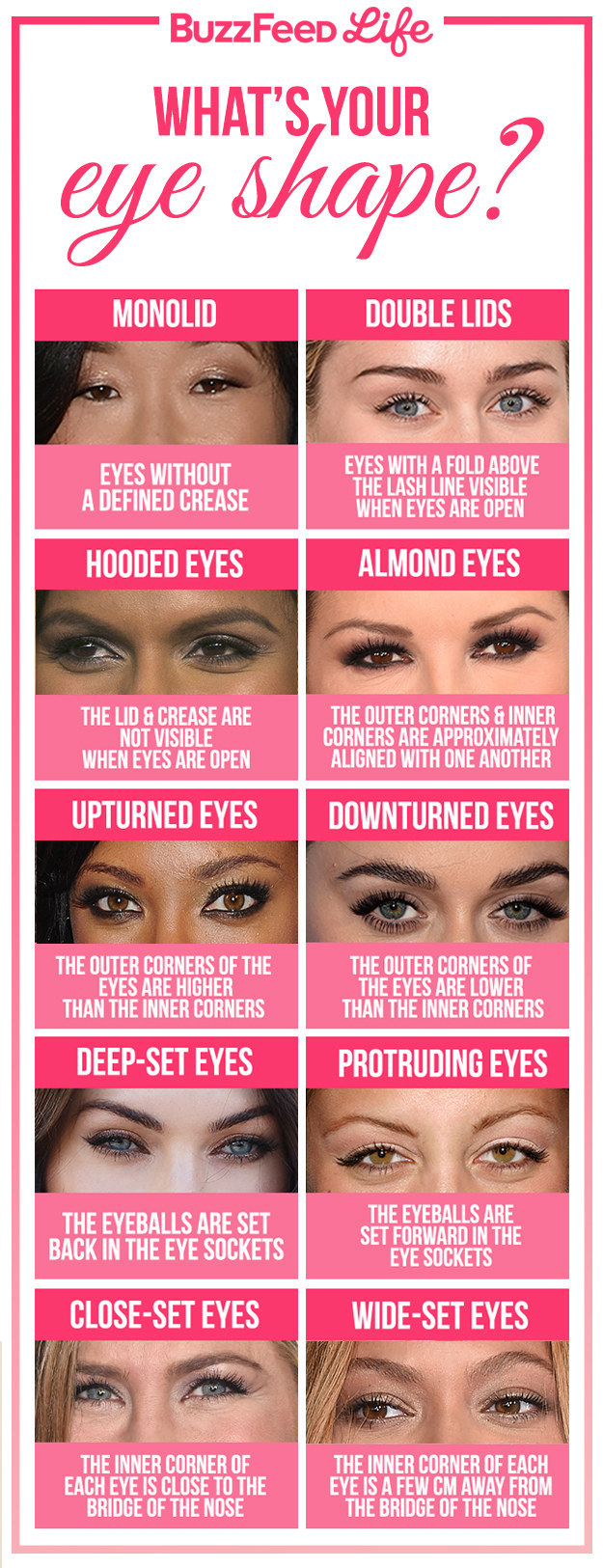
1. Figure out which eye shape you have, so you can learn more about different shading techniques that work best for you.
Jenny Chang / BuzzFeed

Learn more about different shapes here and here.

2. Learn the lingo so you know which part of your eye is what.
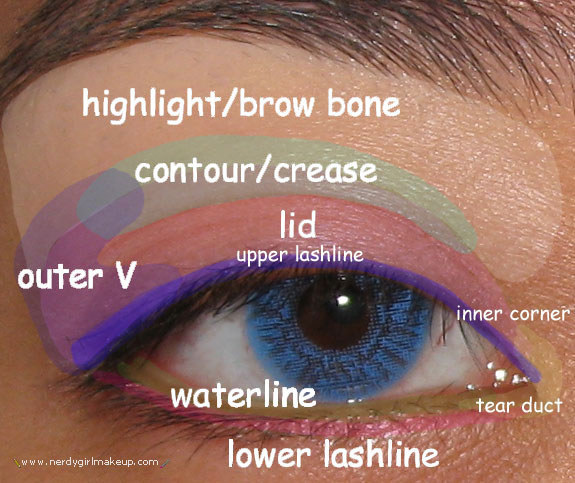
Everything makes more sense if you actually know what the tutorial is referring to by “crease.” From here.

3. Learn what all of your brushes are meant to do.
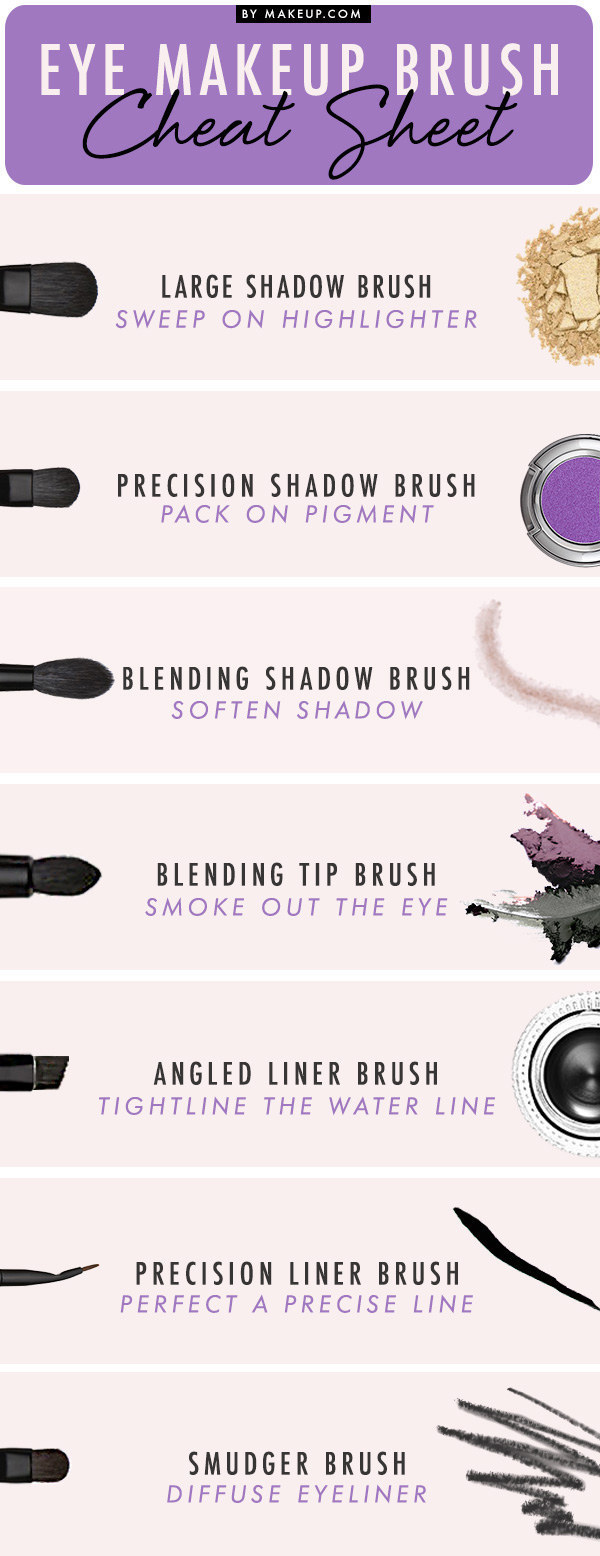
If you’re struggling with blending, make sure you get a good blending brush. The MAC 217 is one of the most buzzed about, but there are plenty of less expensive options out there.

4. Choose the eyeshadow formula that works best for what you want.
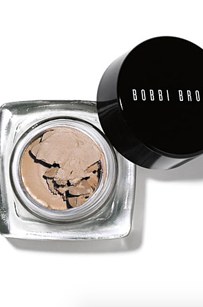
Cream eyeshadows work best as a base color for powder eye shadow, or for solid, single-color coverage.

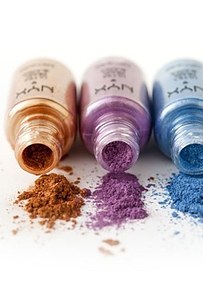
Loose eyeshadows are often where you find the most color pigment, but can be messy and tricky to work with.

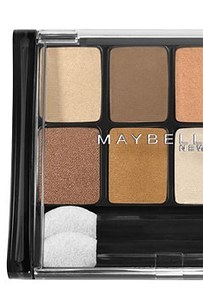
Pressed eyeshadows are the most common type of shadow, because they blend easily without being too messy.

5. Don’t skimp on primer.
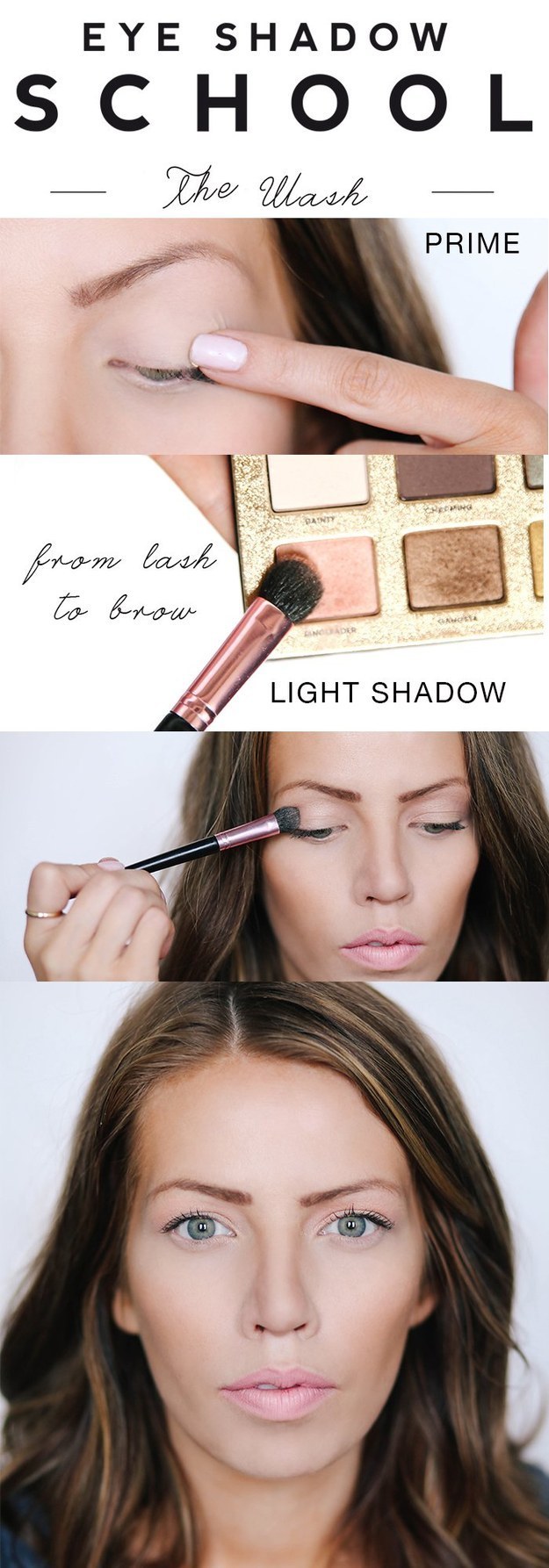
Priming keeps your eyeshadow from creasing or falling off as your day goes on. If your primer is translucent, dusting a layer of light eyeshadow over it will help the colors look brighter and closer to what you see in the palette. From here.

6. If you’re looking to make colors seriously ~stand out~, apply white liner before you apply eyeshadow.
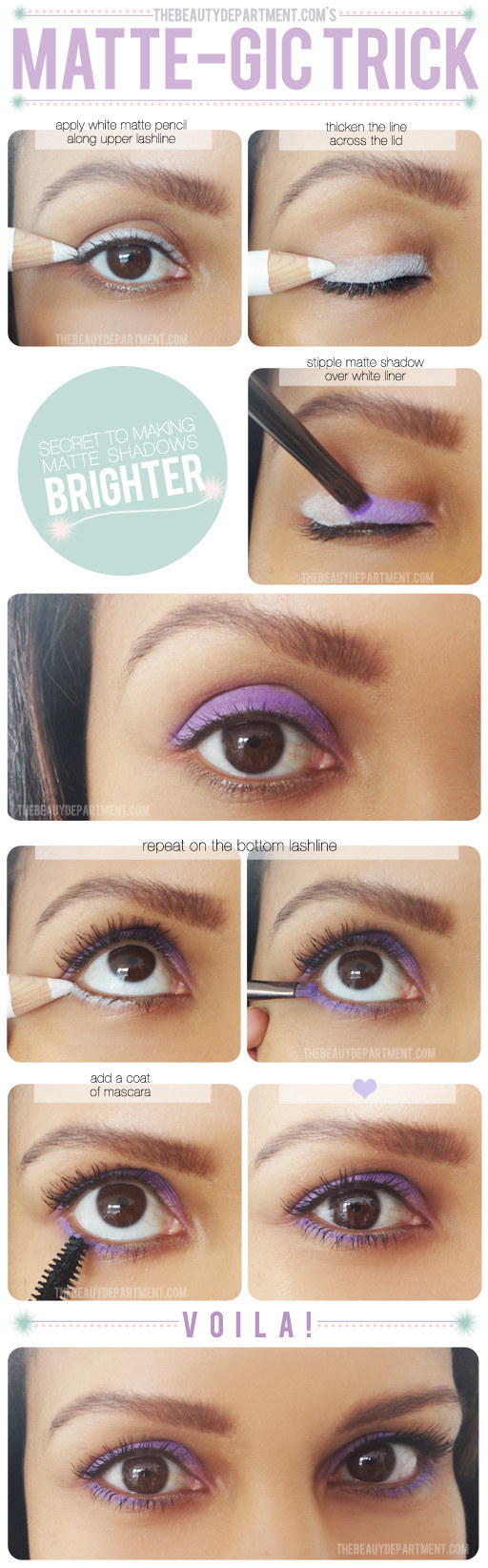
Get more details on this tutorial here.

7. Figure out which shades of your basic eyeshadow palette are meant for each part of your eye.
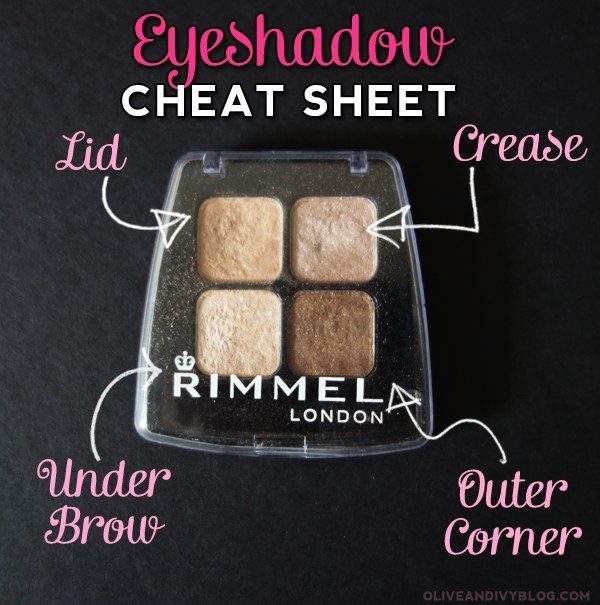
It all depends on how you want to shade and shape your eye, but there are a few general guidelines:

The lightest color usually works well as a brow bone highlighter.
The second lightest color usually looks good on your lid.
The second darkest color usually works best in your crease.
The darkest color usually works best in your outer corner.

Full tutorial here.

8. Duos, trios, quads and quintets all have shadows meant for specific purposes.
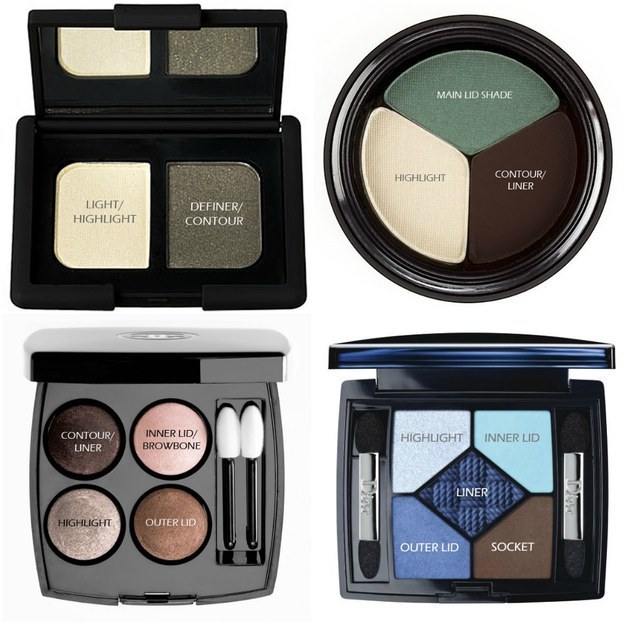
See more info on where to apply each of these here. But remember, these are just guidelines — you can apply the shadow colors wherever you’d like.

9. Use small patting and dabbing motions to apply your all-over shadow color.

It will help you get a more pigmented, even layer of application than if you simply wipe the color over your eye. See the full tutorial here.

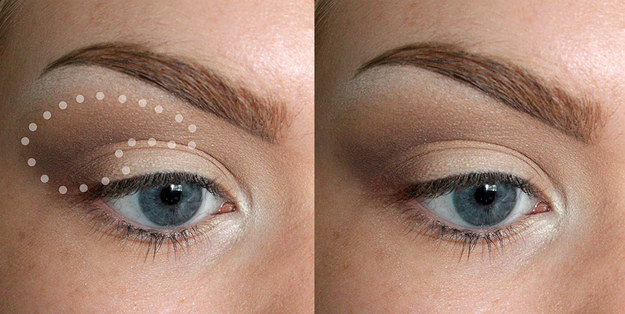
10. Practice blending using gentle motions with your blending brush.

Blending gently helps you avoid muddying up your colors. Because you’re gradually combining the colors, you can stop when they’re just right. Here’s the full tutorial.

11. After applying color to your crease, use windshield wiper motions to soften any harsh

Use a brush without any product on it at all: you’re not adding any more color, just gently distributing what you already have on your skin. Watch the full tutorial here.

12. Don’t be afraid to make a very defined shape first, then blend it so the edges fade away.
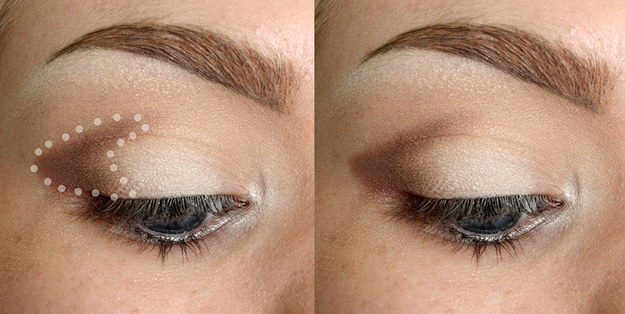
/u/Sssamanthaa / reddit.com

Make sure you use those gentle blending motions mentioned above, so the shape you drew stays somewhat defined. See the whole tutorial here.

13. Or, use an eyeshadow pencil to draw a defined shape first, then gradually blend that out.
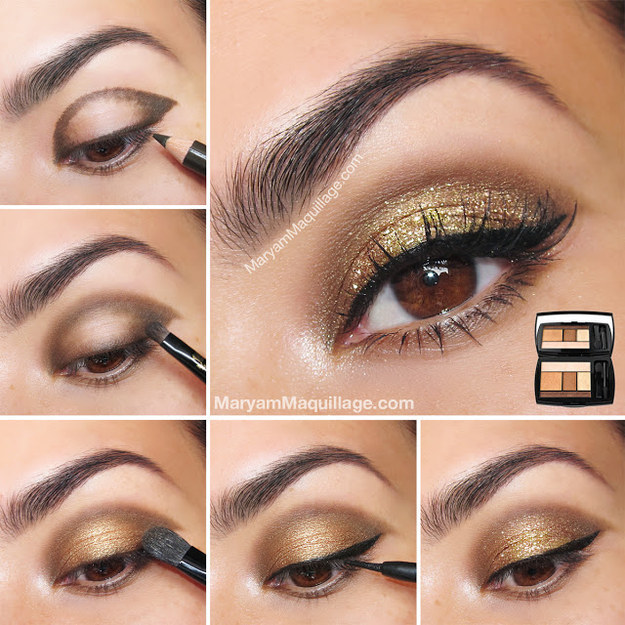
You can use a slightly lighter color and skip the gold glitter shadow for an everyday take on this look. Read the rest of the tutorial here.

14. If you have hooded eyes, practice applying makeup with your eyes open instead of closed so your crease colors are actually visible.
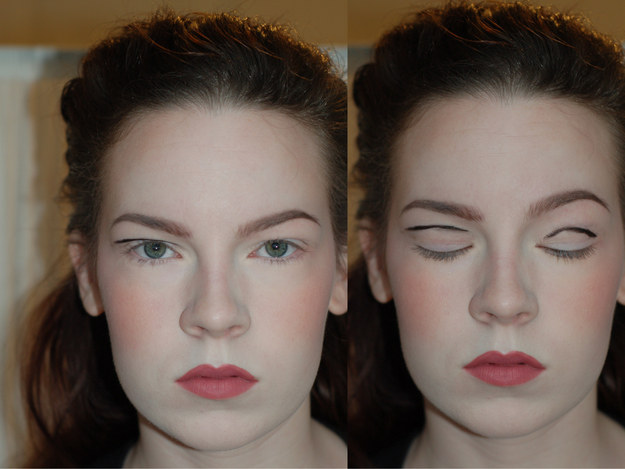
/u/hobbitqueen / reddit.com

Of course, you wouldn’t actually draw a black line and then head out for the evening, but the black line shows how applying shadow with your eyes open will give you a different, more visible shape. Get more tips for hooded eyes here.

15. The easiest way to both find your crease and control the color? When applying, tilt your head up and look down into the mirror.
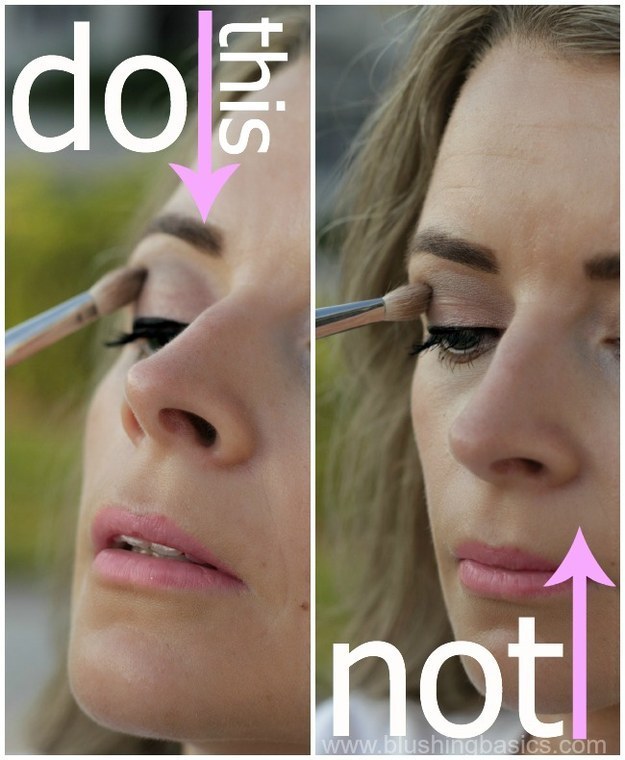
(But as always: practice makes perfect). From here.

16. If you have trouble drawing a neat “outer v”, try starting with a hashtag shape.
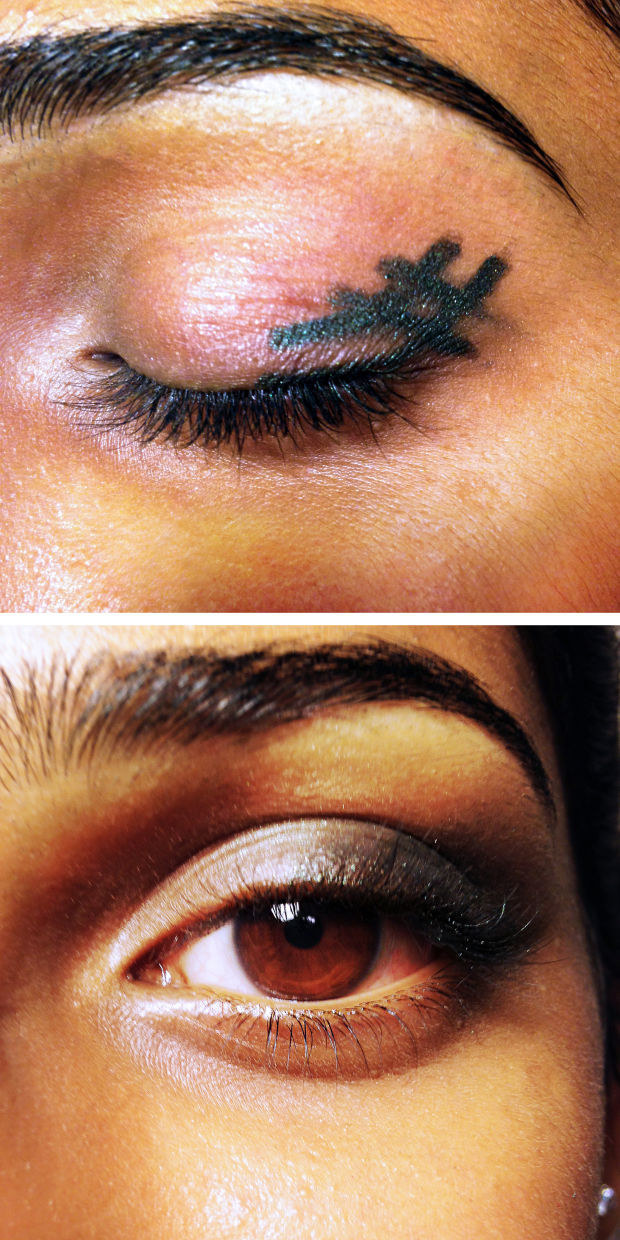
You can use an eyeshadow pencil, eyeshadow on a stiffer-bristled brush, or even eyeliner pencil to draw the hashtag. Then, blend it out using a blending brush. If you used an eyeliner pencil and the brush isn’t moving the product around enough, try gently blending with a cotton swab instead. From here.

17. Makeup fallout is inevitable (especially with darker shadows), but there are definitely ways to fix it.
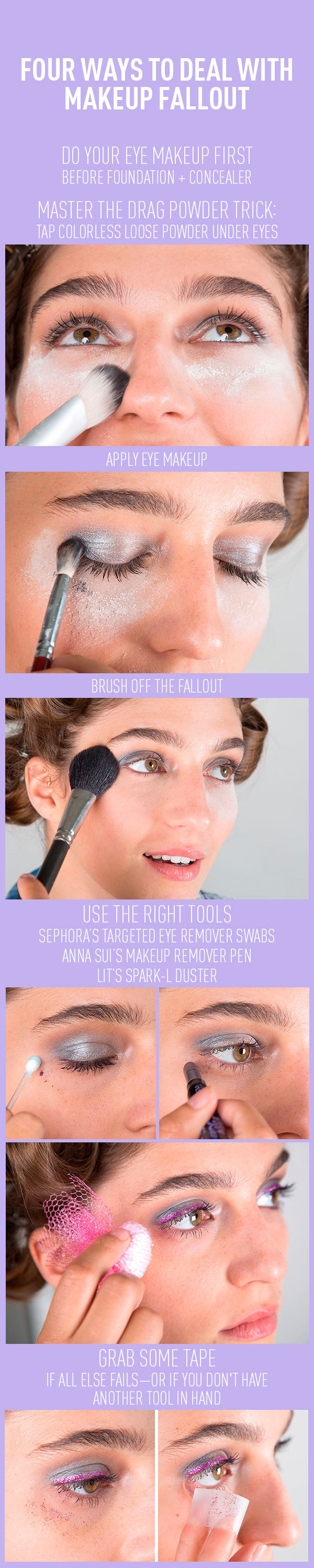
One note: before sticking tape to your face, stick it on another part of your body (say, your arm) first, then peel it off so it doesn’t hurt when you tap it against your more delicate face skin. Here’s the tutorial.

18. Or, pick up a shadow and mascara shield to hold under your eye as you apply.
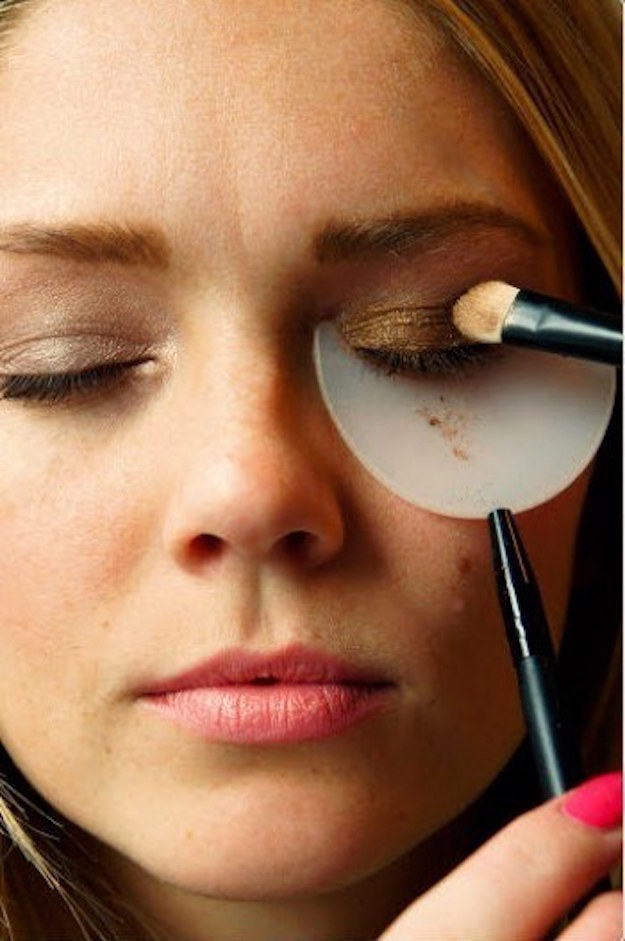
Just $3, here.

19. Keep all your hard work in place with a spritz of setting spray.
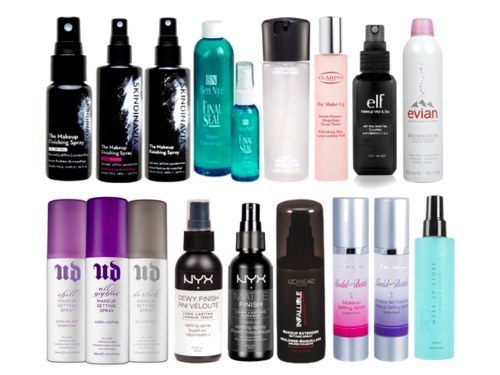
This is not a necessary step, but if your makeup doesn’t look like it’s still there at the end of the day, these can help. Just spritz *before* you apply mascara, so your mascara doesn’t run. Read more about different types of setting spray here.

Continue Reading

HEALTHY LIVING

Fresh thinking about frozen food

Published

on

(Feature Impact) The key to easy preparation of high-quality meals, wasting less food and saving money may already be sitting in your kitchen.

For many families, the freezer is for last-minute meal options. However, new federal nutrition guidance and growing scientific consensus reveal a different reality: frozen foods can be the starting point for healthy eating, not a backup plan. That’s why the American Frozen Food Institute (AFFI) is launching “Fresh Thinking About Frozen,” a campaign to help families discover these benefits of frozen foods.

Making Nutrition Achievable

The recently released 2025-2030 Dietary Guidelines for Americans, the nation’s top nutrition advice, emphasizes portion control and nutrient-dense foods. Frozen options deliver on both counts.

Families who keep frozen produce on hand tend to eat more fruits and vegetables overall. Pre-portioned frozen meals also help people eat what they need without overdoing it. Plus, the convenience factor matters: frozen berries are ready for a morning smoothie, pre-cut frozen vegetables can be added to tonight’s stir-fry and a balanced frozen meal can be quickly paired with a salad.

That isn’t cutting corners. It’s being smart on how best to feed a family well.

Freezing Hits the Pause Button on Fresh Foods

Freezing food only changes a food’s temperature, not its nutrition. Freezing keeps food close to its original state without requiring additives.

Produce begins to lose nutritional value right after it’s harvested. Freezing fruits and vegetables hours after harvest pauses nutrient degradation and locks in the vitamins and minerals, so the food remains farm fresh even as it travels across the country to your grocery store. Frozen meals are similarly made with real ingredients and turned into just-cooked recipes then frozen for families to eat when they’re ready.

The nutrition community understands this. A recent survey conducted by AFFI found 94% of registered dietitians agree frozen fruits and vegetables are just as nutritious as their fresh counterparts. Another 92% said frozen foods offer a variety of nutritious meal offerings. These findings are central to the “Fresh Thinking About Frozen” message: Frozen is not second-best. It’s simply smart.

Solving the Food Waste Problem

Nearly 40% of food in the United States gets thrown away, according to the nonprofit ReFED. That translates to roughly $1,500 per year per household, straight into the trash along with unused produce and forgotten leftovers.

Frozen helps fix that problem. Eight in 10 consumers agree buying frozen helps reduce food waste at home, AFFI research finds. The reason is simple: You use what you need, when you need it and the rest stays perfectly preserved. No more dreading the refrigerator cleanouts and feeling guilty over the uneaten food going into the trashcan.

Time for Fresh Thinking

Families already making this shift aren’t settling for less. They’re strategic about nutrition, budget and time. They integrate the freezer into regular meal planning. They feel confident about providing quality foods that are simply frozen.

The freezer isn’t a place of last resort. It’s a tool for eating well in real life. Visit frozenadvantage.org/FTAF for tips, recipes and resources to make the most of your freezer.

Photos courtesy of Shutterstock


SOURCE:

American Frozen Food Institute

Continue Reading

HEALTHY LIVING

Tommy Lobban

Published

on


July 17, 1941 – March 2, 2026
NOCONA – Tommy Lobban, 84, died on March 2, 2026.
There was a visitation from 6 – 7 p.m. on March 4, at Jerry Woods Funeral Home Chapel in Nocona. A graveside service will follow at 11 a.m. on Mar. 5 at Nocona Cemetery.
He was born on July 17, 1941 in Nocona to Lewbert and Orbey Paine Lobban. He grew up ranching all of his life in Nocona. He married Jan Leslie Combs on Feb. 18, 1983.
He is preceded in death by his parents and sister, Sharon Gordon.
He is survived by his wife, Jan Lobban, Nocona; a step-son; brother, Lew Lobban, Henrietta; two grandchildren; two great-grandchildren; three nephews and two nieces.
In lieu of flowers, memorial donations may be made to a charity of choice.

Continue Reading

HEALTHY LIVING

Stacking healthy habits for progress, not perfection

Published

on

(Feature Impact) Despite the best of intentions, it’s common for plans to build healthier habits to fall flat. Often, the culprit isn’t a lack of motivation or discipline; rather, it’s unrealistic expectations.

Overhauling your lifestyle requires a level of commitment that isn’t always practical. Understanding your personal health needs and the challenges you need to overcome can help give you a more realistic roadmap toward better health.

Tools to Guide You
Every plan needs a starting point and there are many reputable sources that can help guide you toward a plan that addresses your personal health needs.

For example, the American Heart Association introduced My Life Check, a simple, free tool to help individuals understand their heart health and what’s driving it. Users answer simple questions about their daily habits and health factors to get a personalized Heart Health Score in minutes.

The results are private and downloadable, giving you full control of your information. The tool turns big goals into small, specific actions you can start right away. Knowing your numbers relative to your heart health (and where you are in comparison to target ranges for optimal health) can help you decide how to build a better map to get you where you want to be.

While the report is customized to each individual, no personal data is stored and answers are only used to calculate health scores and provide personalized recommendations and practical steps to improve your health, so you can use your results to focus on what matters most to you. Every small step you take, such as moving more, eating smarter, sleeping better or managing stress, can add up over time.

Finding Your Path
Once you’re armed with data and know where you stand on your heart health numbers, small steps become clearer and more manageable. That knowledge makes it easier to choose one area to focus on, such as getting more sleep, taking daily walks or adding more color to your meals.

Healthy changes don’t need to be expensive or complicated. The best habits are ones that fit real life when every action you take moves you closer to your goals.

Eat Smart
Choose foods that help you feel your best, one meal at a time. Add more color to your plate and focus on balance, not restriction. Simple, affordable swaps can make a real difference.

Move More
Find movement that fits your life, such as a walk, a stretch or dancing while you cook. Every bit of activity counts and it all supports your heart and mind. Move for joy, not just for results.

Sleep Well
Rest is a foundation of good health, not a reward. Protect your bedtime routine and give your body the recovery it deserves. Notice how good sleep makes everything else easier.

Manage Stress
Check in with yourself regularly, both mentally and emotionally. Create simple moments to pause, breathe, laugh or step outside. Connection, kindness and calm all support a healthy heart.

Staying motivated and on track is also easier when you can check back in, see your progress and realize the steps you’re taking are making an impact. Checking in every few months to see how you can grow gives you the chance to celebrate your progress, learn from challenges and keep building lasting habits that feel good.

To get started with personalized tips to set your own health goals, visit heart.org/mylifecheck.

Photos courtesy of Shutterstock


SOURCE:

American Heart Association

Continue Reading
Ad
Ad
Ad
Ad
Ad
Ad
Ad
Ad

Trending