
HEALTHY LIVING
The power of sharing a table: Americans reviving ‘IRL’ experiences with drinks, dinner and beyond

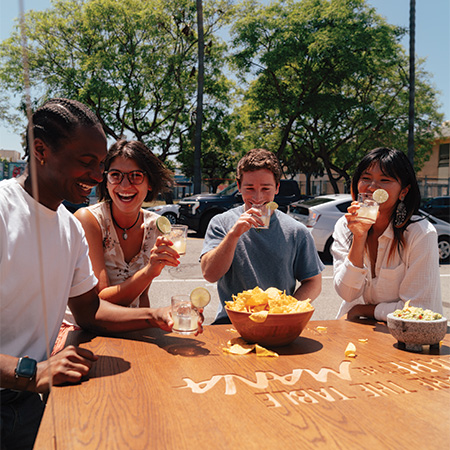
(Feature Impact) Real-world connection has become increasingly rare and if you’ve felt the effects, you’re not alone. After years of digital-first habits becoming the new norm, many people are looking to rediscover face-to-face social interaction – “IRL,” in real life, not from behind a screen.
With many Americans now spending less time together than ever before as in-person contact continues to decline, according to data from the Organization for Economic Co-operation and Development, Teremana Tequila is inviting people back to something simple: the table. Rooted in the philosophy of Mana – the brand’s guiding core philosophy and belief that good energy is contagious and the best moments in life happen when people come together – its “Share the Table, Share the Mana” initiative and partnership with Timeleft, a global app that matches strangers into small groups for real-life meetups, is a call for real-world connection.
A gradual rebalancing is underway, according to Teremana. In a world where people are more digitally connected yet more personally disconnected, sometimes all it takes is one small gesture, like pulling up a chair and sharing a table to unlock something transformative.
Activity-Based Communities
According to the American Psychiatric Association, 1 in 3 American adults went at least a week in 2024 without feeling genuinely connected. In response, many people are shifting toward connection rooted in shared activities rather than conversation alone. Consider Eventbrite’s 2026 Social Trends Report, which found 58% of people now prefer events where socializing isn’t the primary focus, signaling a growing appetite for in-person gatherings built around common interests and experiences.
Recurring events – such as weekly trivia nights or monthly potlucks – reflect this shift toward activity-based connection. With a built-in rhythm and shared interest, they reduce the pressure of constant planning and allow relationships to develop more naturally over time. Whether it’s a standing “taco Tuesday” or “trivia Thursday,” these gatherings create structure that makes it easier for people to simply show up and enjoy the moment together.
This shift is also extending beyond traditional community spaces into experiences that transform everyday environments into opportunities for connection.
Third Spaces, Reimagined
Building on its spirit of good energy and shared moments, Teremana Tequila’s “Share the Table, Share the Mana” campaign kicked off with a series of out-of-home billboards across the country, but took a surprising turn when what appeared to be a standard billboard concealed a hidden bartender, drinks and an open invitation to share the table – turning a street corner into an unplanned gathering space for strangers. More experiential moments like this are on the way.
While digital tools remain central to how people connect, they’re increasingly being used to facilitate in-person moments – helping organize meetups, dinners, and shared experiences in the real world.
For example, by partnering withTimeleft, a global app that matches strangers into small groups for real-life meetups, Teremana’s idea is becoming a nationwide movement. Every Thursday from now through August, the Share the Table series will bring curated groups of people together at bars and restaurants across 13 U.S. cities, creating a consistent space for the kind of unscripted human connection no screen can replicate.
The nationwide initiative offers a key to unlocking something much bigger than one-off moments as an investment in infrastructure for connection, providing strangers opportunities to match with groups of people with similar interests and compatibilities.
Neighborhoods as a Nexus for Connection
By meeting and greeting neighbors and attending local events, the reliance on digital tools can be reversed. Proximity lowers barriers like time and distance, increasing the likelihood of repeated encounters for after-work drinks or dinner parties that allow for relaxed, low-pressure socializing.
For an easy way to break the ice with those near you, sharing a drink, or the mana, lets you open up your home in a low-stress setting without the pressure of cooking for a crowd. These simple at-home cocktail recipes for a Cucumber Serrano Margarita or Mana Paloma make hosting a breeze – and will leave neighbors thinking you’re a natural bartender.
To discover more ways the philosophy of Mana can revitalize human connection, visit Timeleft.com.
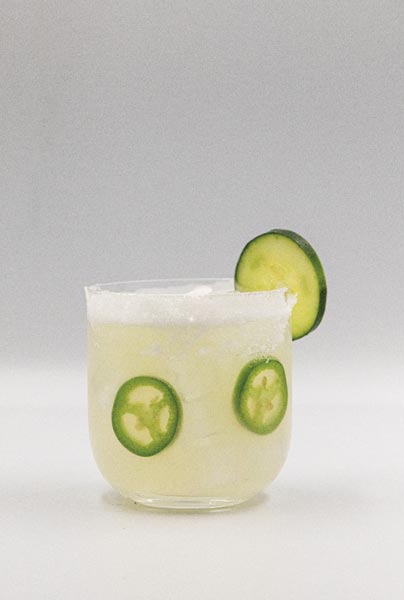
Cucumber Serrano Margarita
- 2 ounces Teremana Blanco or Reposado
- 1 ounce fresh cucumber juice
- 3/4 ounce fresh lime juice
- 1/2 ounce agave nectar
- 3 thin slices serrano pepper, divided
- ice
- cucumber slice, for garnish
- salt, for rim
- tajin, for rim
- In cocktail shaker, combine tequila, cucumber juice, lime juice, agave nectar and two slices serrano pepper; shake with ice. Strain over fresh ice into rocks glass.
- Garnish with cucumber slice and remaining serrano pepper slice. Rim half of glass with salt and tajin.
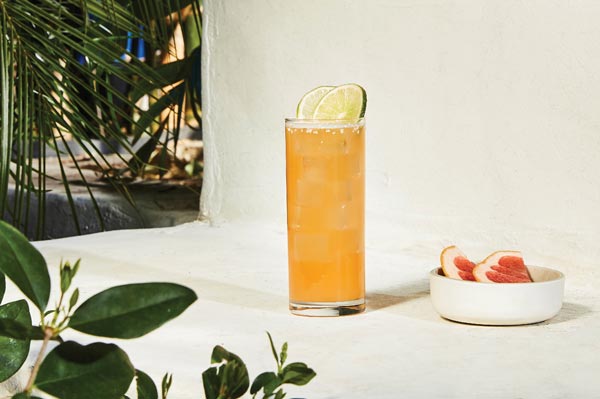
Mana Paloma
- Ice
- 2 ounces Teremana Blanco
- 1 ounce grapefruit juice
- 3/4 ounce lime juice
- 1/2 ounce simple syrup
- club soda
- 1 pinch salt
- lime wheel or grapefruit peel, for garnish
- In highball glass over ice, combine tequila, grapefruit juice, lime juice, simple syrup, club soda and salt. Gently stir, garnish with lime wheel or grapefruit peel and serve.

SOURCE:

Alzheimer’s disease has touched the lives of millions. Tens of millions of people have Alzheimer’s disease worldwide, accounting for 60 percent to 70 percent of the total number of people living with dementia globally, according to the World Health Organization. However, when including early, pre-symptomatic stages like prodromal and preclinical phases, estimates indicate 400 million people across the globe are affected by brain changes linked to Alzheimer’s, says the National Institutes of Health.
Expanding medications and clinical trials
For decades, medical interventions for Alzheimer’s were limited to managing symptoms. Today, the treatment landscape is undergoing a profound transformation. Therapeutic strategies now directly target the biological drivers of the disease, supported by expanded drug offerings, advises Alzheimer’s Research UK.
The Alzheimer’s Association says that analysis of global clinical trials points to positive results of a growing body of medications. There are now 158 novel agents currently being evaluated across 192 clinical trials. While amyloid-targeting drugs once comprised 33 percent of the clinical studies, that share has dropped to 20 percent, as therapies targeting neuroinflammation and tau protein tangles have increased.
The Alzheimer’s Association also says approximately 35 percent of drugs currently in development are repurposed therapies previously approved for other conditions. This helps speed up the pathway of important medications for clinical availability.
Earlier diagnoses
Disease-modifying medications show the highest efficacy when administered during early stages. That means that early detection of Alzheimer’s disease is critical. The Alzheimer’s Impact Movement says high-accuracy blood tests prescribed in primary care settings can enable clinicians to screen for amyloid pathology using a simple blood draw.
Targeting genes
Researchers supported by the NIH are exploring gene therapy approaches to reduce amyloid accumulation early on and quiet brain inflammation. These include delivering protective APOE-e2 gene variants.
GLP-1s, shingles vaccines and promising findings
Observational and real-world studies show that taking GLP-1 medications for type 2 diabetes or obesity is associated with a lower risk of developing Alzheimer’s and cognitive decline, according to the Cleveland Clinic. Similarly, major published studies show that adults over age 65 who receive the two-dose shingles vaccine have significantly reduced risk of Alzheimer’s and vascular dementia compared to unvaccinated individuals. Both of these treatments can reduce brain inflammation associated with dementia development.
Lifestyle changes
Medications and other therapies are just the tip of the iceberg. Non-pharmacological interventions also are successful at reducing Alzheimer’s disease prevalence. Findings published in the Journal of the American Medical Association demonstrate that targeted exercise, dietary changes and cognitive training significantly preserves brain function. This can yield memory performance equivalent to being one or two years younger.
Alzheimer’s disease research continues, and various developments in prevention and treatment are going beyond symptom management.
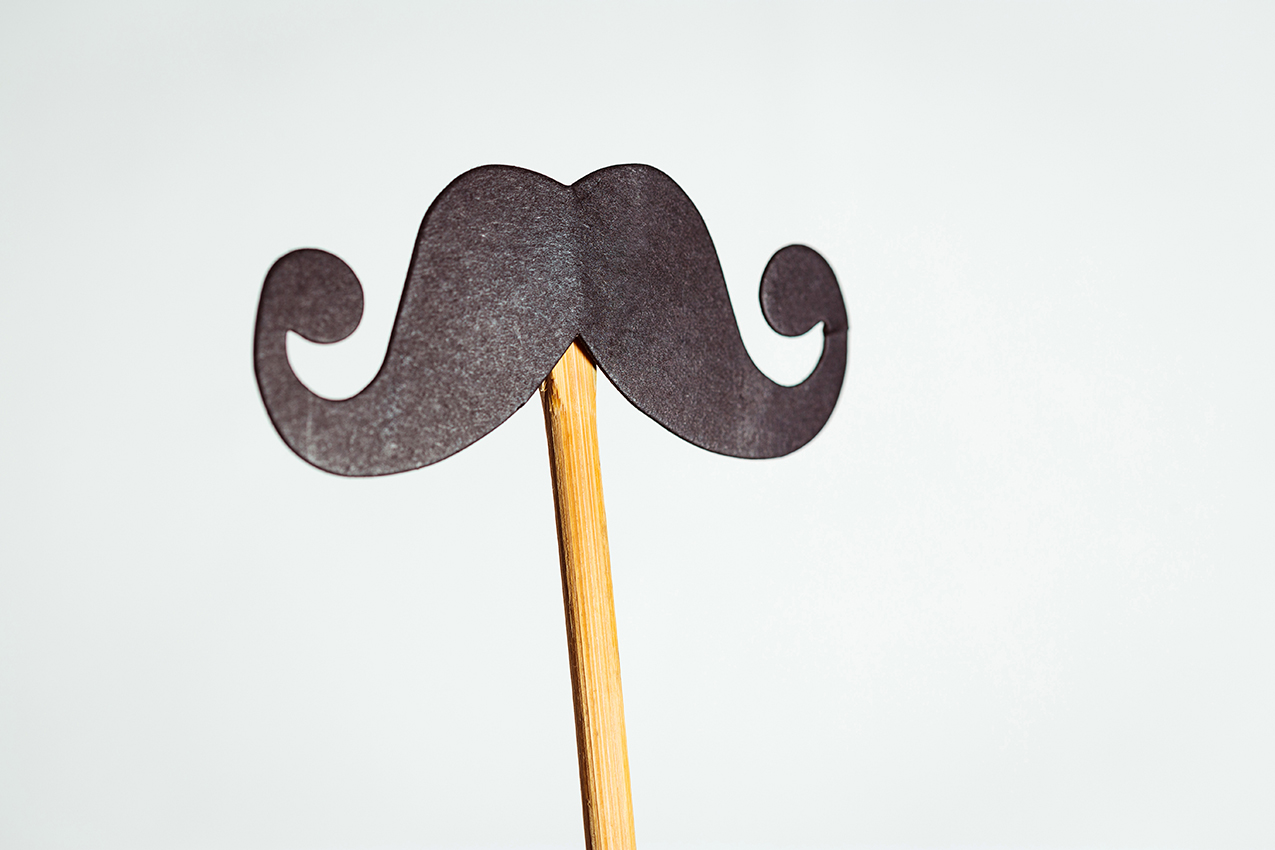
Who would have thought an informal idea between two friends enjoying a drink in a pub in Melbourne, Australia, back in 2003 would transform into a global health phenomenon? Movember, an event born of blending the words “mustache” and “November” together, is the brainchild of Travis Garone and Luke Slattery and encourages men to grow out their facial hair for thirty days. Fondly referred to as “Mo Bros,” the men who participate in Movember help to spread awareness about the silent crises surrounding men’s physical and mental health in a lighthearted way, according to Texas Health Resources.
Since its inception, the Movember Foundation has moved beyond the original 30 Mo’s Bros to cover 20 countries, mobilizing more than six million participants and funding upwards of 1,250 health projects worldwide. The charity’s main focus is prostate cancer, testicular cancer and mental health and suicide prevention. These issues are leading concerns for men in modern times.
The American Cancer Society says approximately one in eight men will be diagnosed with prostate cancer during their lifetime, making it the second most common cancer in men globally. Testicular cancer is the most common form of cancer among young men between the ages of 15 and 39. It is highly treatable when identified early; however, knowledge of self-examination remains very low.
According to the World Health Organization, men account for nearly 75 percent of all suicides globally. One man dies by suicide, on average, every minute of every day. Many men confront social stigmas that prevent them from seeking help when struggling with mental health issues like depression or anxiety.
Movember’s core philosophy is easy: use facial hair as a visual conversation starter to initiate conversations about health topics men historically avoid. This may prompt other men to schedule health exams or talk about emotional well-being that can help save their lives. In addition, the Move for Movember initiative urges people to run or walk 60 kilometers (approximately 37 miles) throughout the month to honor the 60 men who lose their lives to suicide every hour.
Movember may seem like the butt of jokes, but this goofy idea spurs very serious conversations that can be life-saving.
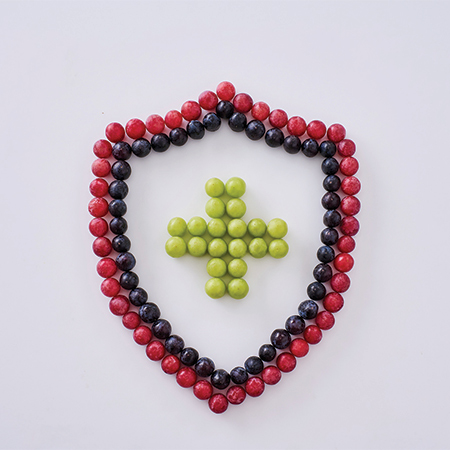
(Feature Impact) Your immune system is your strongest ally during cold and flu season, working hard to keep you healthy as you start hearing those telltale coughs and sneezes all around. Help your body do its job well by adopting a few simple habits that naturally support its ability to fight off germs or recover faster.
Talk to your healthcare provider for personalized advice then work on making these habits normal in your household.
Get Regular Exercise
Exercise is like a wonder drug that can improve nearly every aspect of health and wellness. Physical activity increases blood flow, reduces long-term inflammation, helps immune cells circulate through the body to guard against invaders and may even flush bacteria out of your lungs and airways. Plan to fit at least 150 minutes of moderate exercise into each week, like a bike ride, brisk walk, yoga class or on-demand video workout.
Eat Foods That Support Immune Health
To keep your immune system fueled, experts recommend eating a varied diet featuring plenty of fruits, vegetables, nuts, seeds, whole grains and healthy fats like olive oil. Consider adding fresh grapes to your diet to enjoy benefits from their naturally occurring plant compounds.
Protecting the body starts all the way down at the cellular level, and grapes contain powerful polyphenols that support the health and function of cells. Studies indicate certain compounds in grapes, like resveratrol and flavonoids, support immune system function as well as brain, skin, GI and heart health.
These little fruits are easy to add to your diet, whether you enjoy sweet, juicy Grapes from California by the handful or toss them in a blender to make this California Grape Wellness Juice recipe. Support multiple aspects of wellness with the drink’s powerful combination of fruits and vegetables, delivering a variety of immune-boosting vitamins, minerals and antioxidants.
Stay Hydrated
Drinking enough water helps clean your lymphatic system, which is responsible for producing special white blood cells that fight germs. It also keeps membranes in your nose and mouth moist, decreasing infection risk. If you struggle to drink enough, eating water-rich foods like grapes also helps you improve hydration.
Practice Good Germ Hygiene
To increase your odds of staying healthy during peak illness season, hearken back to the tried-and-true hygiene advice your parents might have tried to drill into your head as a kid. Regularly wash your hands with warm water and soap, avoid touching your face while out and about, keep your distance from symptomatic people and disinfect commonly used surfaces like doorknobs when someone in the house or office is sick.
Sleep More, Stress Less
Before you start feeling stressed that you aren’t getting enough sleep, rest assured there are easy changes you can make to support your well-being in both areas. Try switching up your nightly routine to be oriented less around screens and more around calming activities that actually help you wind down, like yoga, meditation or reading.
Discover more health information and recipes at GrapesFromCalifornia.com.
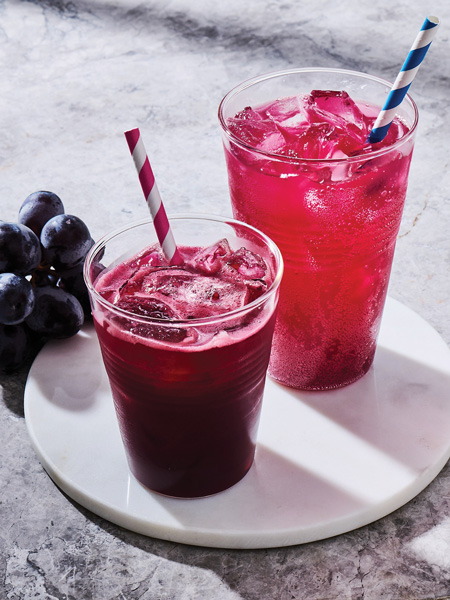
California Grape Wellness Juice
Servings: 3 (1 cup each)
- 5 cups black or red Grapes from California
- 1/2 cup peeled raw beet slices
- 3/4 cup orange juice
- 1/4 cup lemon juice
- 1 small carrot, peeled and sliced
- 1 piece fresh turmeric (1-inch), peeled and sliced or1 teaspoon ground turmeric
- In high-speed blender, puree grapes, beet slices, orange juice, lemon juice, carrot and turmeric until smooth.
- Pour through fine mesh sieve, stirring to extract as much juice as possible, about 3 cups. Stop when mixture starts to get thick. Enjoy immediately or cover and refrigerate until ready to serve.
Notes: This juice can also be added to iced tea or fizzy water.
Nutritional information per serving: 230 calories; 3 g protein; 58 g carbohydrates; 0.5 g fat (2% calories from fat); 0 g saturated fat (0% calories from saturated fat); 0 mg cholesterol; 35 mg sodium; 0 g fiber.

SOURCE:





-

 NEWS3 years ago
Suspect indicted, jailed in Tia Hutson murder
-

 NEWS4 years ago
Wreck takes the life of BHS teen, 16
-
 NEWS3 years ago
Murder unsolved – 1 year later Tia Hutson’s family angry, frustrated with no arrest
-
 NEWS4 years ago
SO investigating possible murder/suicide
-
 NEWS4 years ago
2 hurt, 1 jailed after shooting incident north of Nocona
-
 Show us something good9 years ago
Country music star children perform in Bowie
-
 100th Birthday4 years ago
Looking back at the 1958 Centennial edition of The Bowie News
-
 Show us something good9 years ago
Bowie finally earns ‘World’s Largest Bowie Knife” record from Guinness