
Live Better
Eco-friendly ways to keep your house cool

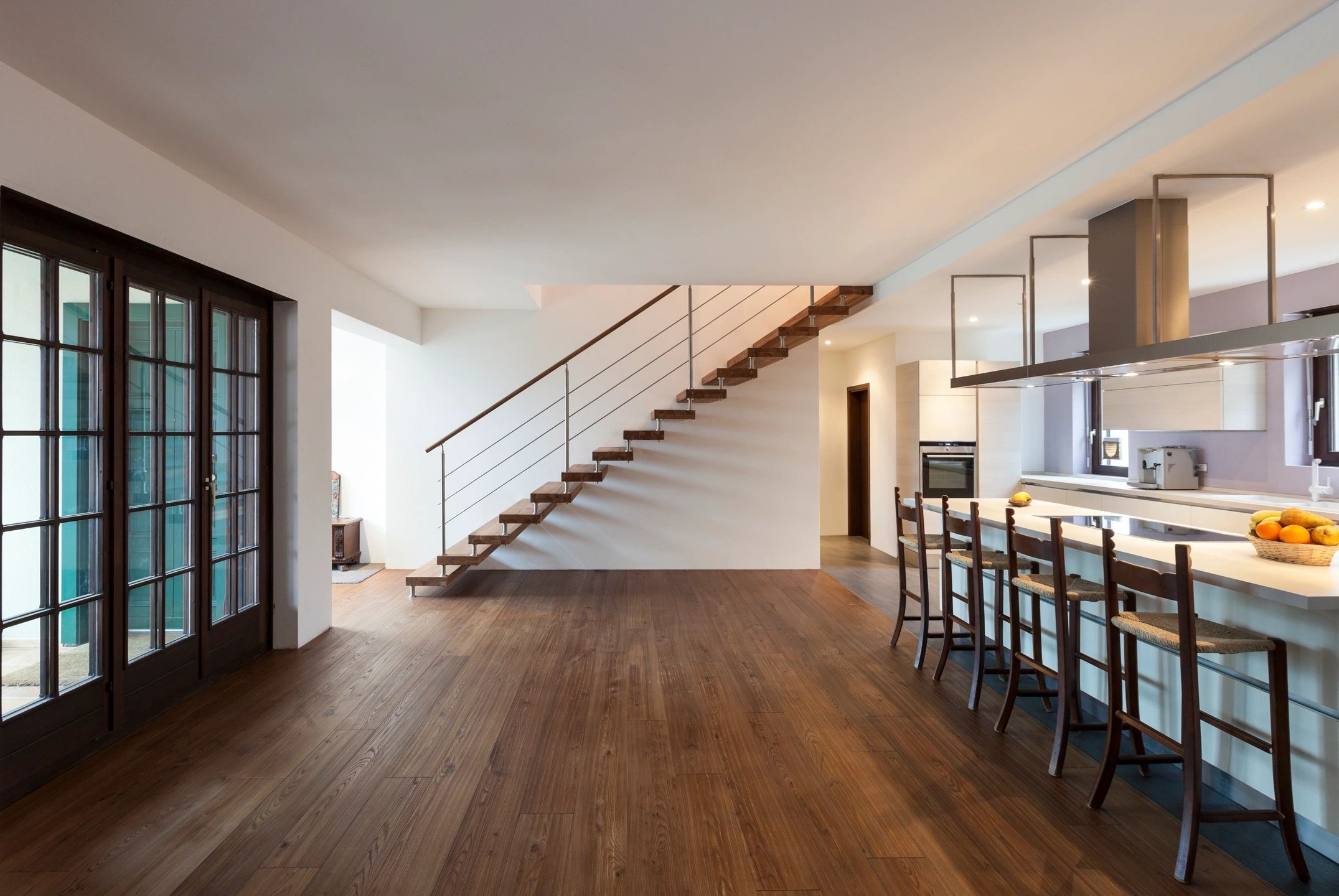
(Family Features)When it’s hot outside, heat can seep into your home and make it unbearable. However, there are sustainable, eco-friendly solutions to maximize comfort and cooling when the thermometer creeps upward without racking up an outrageous electric bill or large carbon footprint.
While some options for keeping your home cool involve an upfront investment, over time they’ll save money, and the environment, for years to come. If you’re looking for ways to cool your home during even the hottest days, consider these ideas from the experts at Mitsubishi Electric Cooling & Heating.
Adjust Ceiling Fans
Installing ceiling fans in your home can help keep temperatures moderate and cut down on your cooling bill. For best results, those ceiling fans should be adjusted seasonally. During warm weather months, fans should rotate counterclockwise at a higher speed to push air downward instead of up toward the ceiling, which can lead to a more comfortable temperature in your home.
Upgrade Your Air Conditioner
If your home’s climate control is lacking, it may be time to invest in a new HVAC system – particularly if your current one is more than 15 years old. An energy-efficient option like Mitsubishi Electric’s sleek and modern MLZ One-Way Ceiling Cassette is designed for easy installation and saves energy by monitoring room conditions to make automatic adjustments to maintain the temperature you choose. To improve your indoor air quality, the MLZ uses reusable air filters, which are easy to remove, wash and reinstall. In Dry mode, the unit makes the air feel fresher by removing excess moisture.
Additionally, these ceiling cassettes can be programmed to operate around your life using a remote control, smartphone or tablet. Whether gone for the day or on an extended vacation, you can monitor your system from an app, ensuring you won’t return to a home that’s blazing hot.
Reduce Incoming Sunlight During the Day
Direct sunlight coming into your home through windows, doors or skylights can increase the temperature. To help reduce unwanted heat as the sun rises higher during the day, consider closing your blinds or installing light-colored blinds that reflect rather than absorb the sun’s heat. Other options such as blackout curtains or reflective window panels can have the same effect, helping reduce warmth trapped inside.
If closing all your blinds or covering every window isn’t an option or makes you feel claustrophobic, focus on any south- or west-facing rooms in your home, as these are typically the trickiest to keep cool during the warmest hours of the day – usually from late morning until early evening. Exterior window shades and awnings can also be useful options if you’re looking to reduce the amount of heat that enters your home, but still want to take advantage of the natural light.
Change Your Light Bulbs
Since warmer weather also equates to more sunshine, turning off the incandescent lights in your house when possible can cut down on extra heat and save on your energy bill. Though the soft yellow glow of incandescent light bulbs can create a nice ambiance, it also gives off a lot of heat. Swapping out those old light bulbs for more efficient, LED bulbs can cut down on the amount of heat your light fixtures emit. If you can’t replace them, minimizing their usage – particularly when having a light on in a room is unnecessary – can make a difference.
Strategically Plant Trees and Shrubs
Planting trees or shrubs near sunlight-facing windows can make a big difference when it comes to the temperature inside your home by shielding the sun’s rays. While planting trees strategically around your home is more of a long-term plan, the benefits can also last for many years to come in terms of shade, added curb appeal and overall betterment of the earth.
Start by focusing on west-facing walls, where the sun is typically the strongest. Choosing trees native to your area can decrease maintenance, and those that bloom in spring and drop leaves in the fall offer year-round benefits by providing both shade and heat in accordance with the season. Vines and other tall shrubs are options for quicker results, but they may also require more long-term maintenance.
Reduce Appliance Usage
To help minimize running appliances and equipment that generate a lot of heat, like stoves and ovens, choose to cook outdoors or opt for quicker meals you can prepare using the microwave, which doesn’t heat the house to the same extent. While grilling and eating outside more frequently may require an awning or gazebo to stay cooler, it can beat the alternative of warming up your oven, and ultimately your home, for an extended period of time.
Reducing your usage of other heat-producing appliances such as computers, dishwashers, clothes dryers, curling irons and hair dryers can also help keep interior temperatures comfortable and energy use low. Try using these appliances earlier in the day to minimize the extra load placed on your air conditioner.
Keeping cool during warm weather months doesn’t have to be complicated. Take advantage of these measures to reduce your home’s heat load and energy bill. Find more tips for cooling your home at mitsubishicomfort.com.

(Feature Impact) From immersive dining to wellness at sea and elevated entertainment, cruise vacations are becoming some of the most experience-rich trips travelers can take.
“Our industry has long been known for innovation, but what’s most compelling now is how that scale is being leveraged to invest in more immersive entertainment, wellness experiences and purpose-driven exploration at destinations around the world,” said Chiara Giorgi, global event and brand director for Seatrade Cruise Global, the largest and longest-running annual event of its kind serving every sector of the international cruise industry, including cruise lines, suppliers, travel agents and partners.
//www.youtube.com/embed/3tlYK2jcy94
To take advantage of the evolution of the industry when planning your next vacation at sea, consider these emerging trends identified at the conference.
The Rise of Floating Wellness Retreats
Once upon a time, wellness meant spas, saunas and massages. Wellness in 2026 is much more luxurious and is deeply embedded into the cruise experience. For example, Cunard’s “Wellness at Sea” voyages integrate expert-led fitness, nutrition, mindfulness and recovery programming, turning wellness into a structured, goal-driven experience and elevating wellness as a core pillar of the onboard experience. Additional cruise lines, including Virgin Voyages and Celebrity Cruises, are also helping raise the bar on floating wellness. Think thermal suites, meditation spaces and sleep-focused programming, along with wellness excursions and destination-inspired spa rituals that extend the experience to the shore.
Dining Becomes the Experience
 Dining has long been a key component of many cruises, but now, food and drink are evolving from a cruise staple to a central form of entertainment and cultural discovery. Cruise lines are investing in immersive dining environments, destination-inspired menus and beverage programs that connect guests more directly with the places they visit.
From location-specific cuisine to interactive dining concepts and destination-driven cocktail programs, F&B@Sea, Seatrade Cruise Global’s companion show, found culinary experiences are increasingly designed to be memorable punctuation points of the journey itself. Across the industry, cruise lines are investing heavily in culinary programs that blur the line between dining and entertainment. Tapping into the supper club trend, Royal Caribbean introduced the Empire Supper Club to turn dinner into a night out at sea, combining multi-course menus, craft cocktails and live music for a full evening experience.
Exploring Expeditions with Purpose
Expedition travel is having more than a moment. It continues to grow as travelers seek deeper engagement with the natural world. Leading the shift toward purpose-driven explorations, operators such as National Geographic-Lindblad Expeditions, long recognized for pioneering modern expedition travel, helped define this category through a model rooted in education, conservation and hands-on exploration. Built on the belief that exploring the world can inspire people to care more deeply for it, expert-led expeditions, such as kayaking among glaciers, participating in citizen science programs studying seabirds and learning directly from naturalists and scientists, place a strong emphasis on stewardship and real-world learning.
Ships as Cultural Hubs
Entertainment at sea is expanding beyond traditional stage shows to include immersive productions, music residencies and partnerships with leading performing arts brands. For example, Holland America Line joined forces with The Verdon Fosse Legacy to debut “Fosse and Verdon, The Duet That Changed Broadway,” a live musical and multimedia tribute celebrating the revolutionary work of Bob Fosse and Gwen Verdon by bringing it to an international stage at sea for the first time.
As cruises continue to expand their global footprint, the Seatrade Cruise Global event positions itself not simply as a trade gathering, but as the central forum where trends are explored and defined. To learn more, visit seatradecruiseevents.com.
Photos courtesy of Shutterstock
SOURCE:

(Feature Impact) You’re not imagining it – like many goods and services, pet care costs have gone up.
In fact, Healthy Paws Pet Insurance reported a 38% increase in pet services over the past five years with pet parents spending more than $4,200 a year on routine expenses for a cat or dog.
Lots of factors are driving increased costs, from higher ingredient prices for pet food – like meat and grains – to veterinary drug shortages. Add in rising labor and transportation costs and those everyday expenses can start to take a bigger bite out of your budget.
There are simple ways to keep costs in check, however, while still giving your furry friends the care they deserve:
1. Prioritize Preventive Care
Routine checkups, vaccinations and screenings can catch health issues early when they are easier and less expensive to treat. Most pets should see a veterinarian at least once a year, while puppies, kittens and senior pets may need more frequent visits.
Preventive medications play an important role as well. Treating heartworm disease, for example, can cost thousands while monthly prevention costs $15-$30.
2. Focus on Daily Wellness
Consistent exercise helps reduce the risk of chronic conditions and supports overall health. Most dogs benefit from at least 30 minutes of daily activity while cats need regular play to stay active.
Feeding appropriate portions can also help with weight maintenance. Portion sizes vary, but a good starting point is the feeding guidelines on your pet food label, adjusting as needed with your veterinarian’s input.
3. Find Support in Your Community
Many local humane societies and rescue groups offer resources that make pet care more accessible, including low-cost vaccinations, spay and neuter services and discounted supplies.
For seniors, local Meals on Wheels providers can be important resources. With support from PetSmart Charities, many local providers offer free pet food and, in some cases, services like veterinary care and grooming. To date, 20 million pet meals have been delivered through this collaboration, helping keep pets healthy and in loving homes with older adults.
4. Plan Ahead for Unexpected Costs
Even with routine care, unexpected illnesses or injuries can happen – and costs can add up. The PetSmart Charities-Gallup State of Pet Care research revealed 52% of pet parents skipped or declined veterinary care services in 2025, with the majority citing cost as the key barrier.
Pet insurance can help manage risk. Most policies reimburse a percentage of covered veterinary costs after you meet a deductible, helping offset unexpected bills. Plans vary, but average monthly premiums are around $60 for dogs and $30 for cats.
It’s also important to be open with your veterinarian about financial concerns. In many cases, clinics may be able to offer payment plans, or look for low-cost-veterinary care resources in your area.
To find a local provider and learn whether pet support is available in your area, visit mealsonwheelsamerica.org/lovepets.
A Companion Through It All
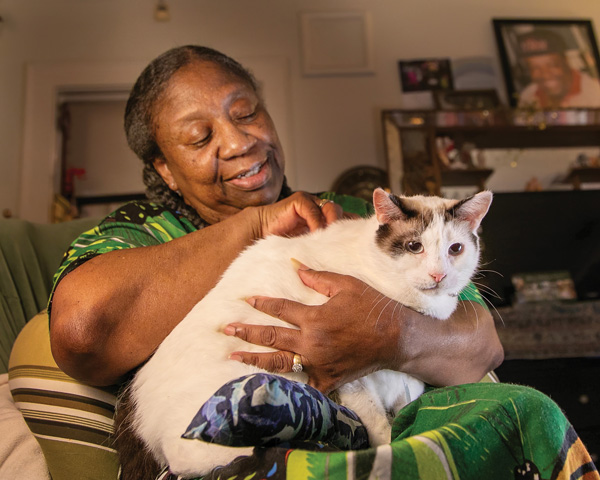
A devastating cancer diagnosis left Lois hospitalized for eight months. Afterward, she began receiving home-delivered meals through her local Meals on Wheels provider. That connection proved to be a lifeline.
“When I was sick,” Lois said, “the Meals on Wheels volunteers … were the only company I had.”
That changed when a small white kitten with calico markings showed up at her front door. Today, that kitten – now named Grace – is rarely far from Lois’s side.
Though Grace softens Lois’s loneliness, caring for a pet on a fixed income isn’t always easy. For many seniors, it can mean making difficult choices, like stretching groceries or delaying medical care, just to afford pet food and supplies. Through support from her local provider, food is delivered for Grace as part of Lois’s regular meal service, helping keep them both healthy, happy and, most importantly, together.
SOURCE:
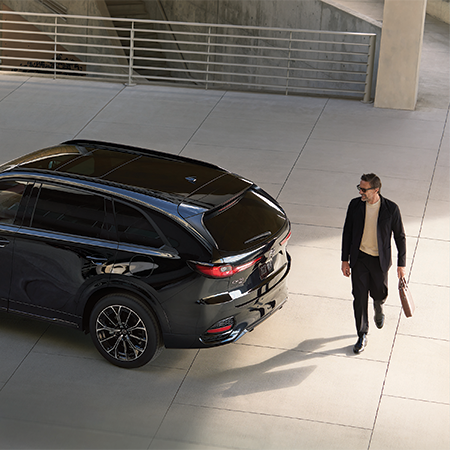
(Family Features) In a world where everyone is juggling busy schedules and endless choices, it’s only natural to want more from your vehicle. Not just more features, but more comfort, more quality and more enjoyment every time you get behind the wheel.
According to recent survey data from Mazda, 74% of car buyers said special features are “very” or “extremely important,” but 30% admitted they don’t have any features worth showing off to friends or family. This is the “luxury letdown;” the excitement of new features fades, leaving you wanting something more meaningful from your car.
People are looking for more than just bells and whistles. They want a car that feels good to drive, that is thoughtfully designed and that brings more joy and satisfaction to everyday life. It’s not about having the most options or the flashiest tech. It’s about all that and quality, comfort and a sense of connection that lasts long after the new car smell fades.
Beyond the Surface
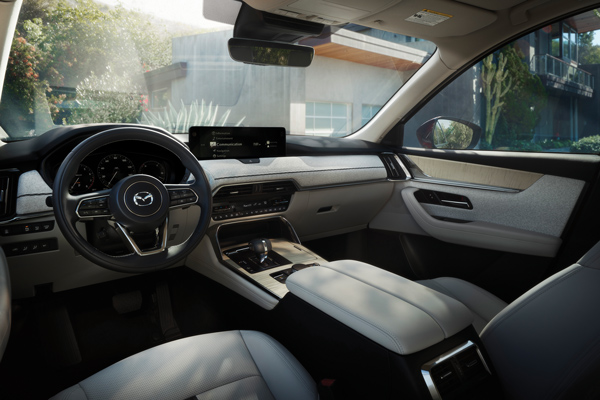
Forget what you think you know about luxury vehicle features. The most memorable cars are typically built with an incredible attention to detail – a craftsmanship you can see and feel. Smart, thoughtful innovation makes driving better, not more complicated. From the shape of the seats to the way the materials feel under your fingertips, every detail is designed to enhance the experience. In fact, 80% of survey respondents said thoughtful design that makes the driving experience better is extremely or very important during the car-buying process. These subtle touches elevate the everyday and make a car feel truly special.
 The Joy of Driving, Reimagined
Driving should be more than a means to get from point A to point B. The most rewarding vehicles are often those that make every journey feel intentional and enjoyable. Responsive handling, intuitive controls and a cabin designed for comfort can transform even the most routine commute into a moment of enjoyment. When a car is engineered to connect driver and road, it brings back the pleasure of driving many have forgotten. For some, this feeling gets lost beneath features and digital overload, but it’s possible to rediscover harmony between driver and car – making every trip feel intentional and rewarding.
Confidence Comes Standard
Safety is more than a feature – it’s a foundation. Advanced safety technologies and strong crash-test ratings provide peace of mind for drivers and their families. With an industry-leading number of Insurance Institute for Highway Safety Top Safety Pick+-awarded vehicles – including the Mazda3 Sedan and Hatchback, CX-30, CX-50, CX-50 Hybrid, CX-70, CX-70 PHEV, CX-90 and CX-90 PHEV – Mazda is committed to keeping safety at the forefront. Features like active safety systems, robust body structures and intelligent alerts help keep everyone protected, allowing drivers to focus on the road ahead.
Value That Surprises
Many shoppers believe a premium experience comes with a premium price tag. However, value is found in vehicles that deliver quality, innovation and comfort without the luxury markup. The materials, craftsmanship and driving dynamics often surprise those who expect to pay more for such an experience. It’s not just about what’s included, but how it all comes together to create a sense of satisfaction and pride in ownership. The result is a driving experience that feels special, accessible and built to last.
A New Standard for Everyday Driving
In a world that constantly demands so much, there is a kind of more that stands out. Not just in features, but in the feeling, the craftsmanship and the sheer joy of driving. This is the more of Mazda – a more that is intentional, meaningful and designed to enrich every journey.
When you’re ready for more from your next vehicle, visit Mazdausa.com.
SOURCE:
Mazda






-

 NEWS3 years ago
Suspect indicted, jailed in Tia Hutson murder
-
 NEWS4 years ago
2 hurt, 1 jailed after shooting incident north of Nocona
-
 NEWS3 years ago
SO investigating possible murder/suicide
-

 NEWS4 years ago
Wreck takes the life of BHS teen, 16
-

 NEWS3 years ago
Murder unsolved – 1 year later Tia Hutson’s family angry, frustrated with no arrest
-
 Show us something good9 years ago
Country music star children perform in Bowie
-
NEWS3 years ago
Sheriff’s office called out to infant’s death
-
 100th Birthday4 years ago
Looking back at the 1958 Centennial edition of The Bowie News