
HEALTHY LIVING
Stress-free steps toward self-care

(Family Features) Over the last few years, self-care has taken on heightened importance for moms across the country.
That is why Mrs. T’s Pierogies is partnering with actress, entrepreneur and mom JoAnna Garcia Swisher for its “All-Star Moms” campaign to spotlight the importance of finding ways to recharge and help these real-life superheroes prioritize me-time.
Simplifying self-care for All-Star Moms everywhere can be as easy as designating a “recharging room” in the home, which offers a personal space to reset and relax. When creating your recharging room, keep these tips from Garcia Swisher in mind:
- Balance Beautiful with Functional: Find hosting staples like cutting boards, utensils and napkins that match the vibe of your personal space so the area can double as an entertaining space.
- Keep it Easy to Clean: Choose furniture and decor that can handle a little mess from snacks, like Mrs. T’s Mini Pierogies and your favorite dip, which are perfect for enjoying while binge-watching favorite shows.
- Add a Personal Touch: Showcase a piece that tells a story, like a favorite embroidered pillow, piece of meaningful jewelry or framed photo of an amazing memory.
- Bring In Something Cozy: Add cozy touches like a blanket, fluffy pillow or favorite slippers for something comfortable.
- Make a Statement: Let your inner designer shine by taking a chance on something bold that represents a part of your personality you don’t normally indulge.
- Plan an Anchor Piece: This item is the foundation for everything, such as a vintage armchair, comfy couch or storage piece that tells a story. Choose this item first then build around it.
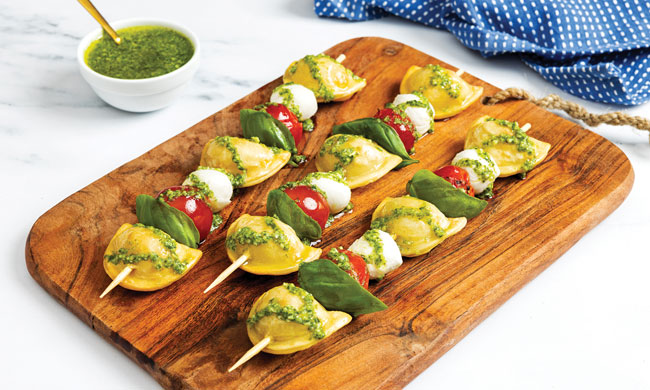
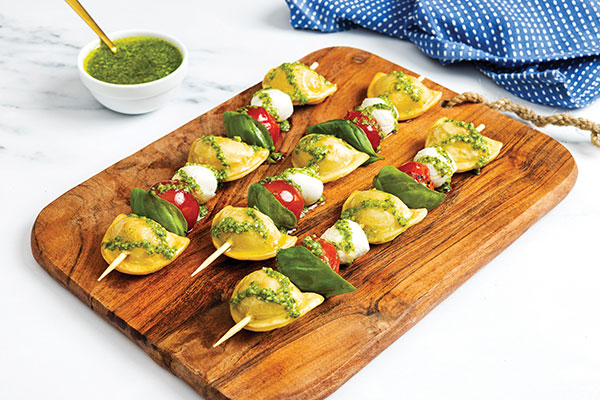
Moms can also prioritize self-care by whipping up an easy-to-make recipe, like these Margherita Pizza Pierogy Skewers, for themselves, a gathering of friends or an afternoon family snack. Pasta pockets filled with creamy mashed potatoes, cheesy goodness and other big, bold flavors, Mrs. T’s Pierogies are simple to prepare. This means more time for moms to do the stuff they love like unwinding from the day with favorite foods in their recharging spaces.
Visit MrsTsPierogies.com for more recipe inspiration.
Margherita Pizza Pierogy Skewers
Prep time: 10 minutes
Total time: 35 minutes
Servings: 9
Pizza Skewers:
- 1 box (12.8 ounces) Mrs. T’s Mini Classic Cheddar Pierogies
- 3 cups cherry tomatoes
- 2 tablespoons olive oil, plus additional for brushing pierogies, divided
- 1 teaspoon salt
- 1/2 teaspoon ground black pepper
- 1/2 teaspoon oregano
- 1-2 cups mozzarella balls (18 total)
- fresh basil leaves
- bamboo skewers (10 inches)
Fresh Pesto:
- 2 cups fresh basil
- 2 garlic cloves, peeled
- 1/2 cup olive oil
- 1/4 cup pine nuts
- 1/4 grated Parmesan cheese
- salt, to taste
- ground black pepper, to taste
- Preheat air fryer to 400 F.
- To make pizza skewers: In small bowl, combine cherry tomatoes, olive oil, salt, ground black pepper and oregano; toss to coat. Transfer tomatoes to air fryer tray or basket. Cook in air fryer 10 minutes, or until tomatoes are slightly charred; remove and set aside.
- Lay pierogies on same tray or basket. Make sure not to overlap. Lightly brush each side with olive oil. Cook about 12 minutes, or until golden brown and crispy. Flip halfway through cooking.
- To make pesto: In food processor, process basil; garlic; olive oil; pine nuts; Parmesan cheese; salt, to taste; and pepper, to taste, until smooth. (If preferred, use store-bought pesto.)
- Add one pierogy to bamboo skewer followed by one tomato, one mozzarella ball and one basil leaf. Repeat with ingredients until each skewer is filled. Drizzle with pesto.
SOURCE:
Mrs. T’s Pierogies

(Feature Impact) Summer is peak snake season, so if you’ve recently gotten jump-scared while gardening or walking up your porch steps, you’re not alone. Typically, snakes aren’t slithering around looking for someone to bite – they’re often searching for food, water and shelter, and the vast majority (97% in the U.S.) aren’t venomous. Even if the risks of any real danger are low, though, you probably have no desire to share your shelter or yard with any slithering housemates.
Check out these snake prevention tips to reduce the possibility of unwanted reptilian encounters on your property.
Tidy Up Your Yard
If there’s one thing snakes love, it’s overgrown vegetation. Tall grass, piles of leaves and unkempt landscaping offer cool, sheltered hiding places for snakes and other pests. By keeping your lawn mowed, shrubs trimmed and garden weeded, you immediately make your yard less attractive to snakes and other pests.
Seal Exterior Cracks and Gaps
Seeing a snake outside your home is one thing but inside is a whole new level of startling. Conduct a thorough inspection of your house’s foundation to look for holes or cracks where uninvited guests may be able to infiltrate. Batten down the hatches by sealing these up and installing sturdy mesh over other openings like vents and crawl spaces.
Control Rodent Populations
Households with a mice or rat problem are also susceptible to predators that like to eat rodents. Addressing the first issue removes a major food source for snakes around your property and makes them less likely to hang around.
Don’t Leave Food Around
Speaking of food sources, if you have bird feeders or have other animals you feed outdoors, store your supplies in sealed containers. When you host outdoor gatherings, clean up promptly so crumbs and spills don’t attract insects and rodents (and in turn, snakes). Promptly gather any fallen fruit from trees on your property as well.
Practice Snake Safety
It never hurts to exercise a little extra caution when you’re spending time in places where you might encounter snakes. Stay alert when pulling equipment out of sheds, going elbow-deep in garden weeds, walking around in the dark or moving piles of wood, rocks or debris. Educate family members, especially kids, on what to do if they see a snake: stay calm, don’t provoke it, give it space and tell someone.
If you’re experiencing recurring snake sightings or issues on your property, it might be worth calling a professional. A wildlife removal or pest control specialist can look around your home and give you more specialized guidance on how to keep your spaces safe and snake-free. Visit eLivingtoday.com for additional home and garden guidance.
Photo courtesy of Unsplash
SOURCE:
HEALTHY LIVING
The power of sharing a table: Americans reviving ‘IRL’ experiences with drinks, dinner and beyond
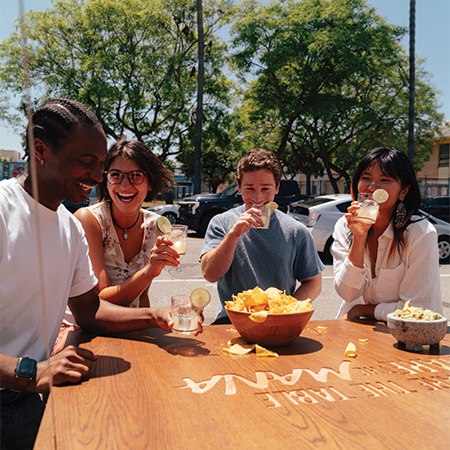
(Feature Impact) Real-world connection has become increasingly rare and if you’ve felt the effects, you’re not alone. After years of digital-first habits becoming the new norm, many people are looking to rediscover face-to-face social interaction – “IRL,” in real life, not from behind a screen.
With many Americans now spending less time together than ever before as in-person contact continues to decline, according to data from the Organization for Economic Co-operation and Development, Teremana Tequila is inviting people back to something simple: the table. Rooted in the philosophy of Mana – the brand’s guiding core philosophy and belief that good energy is contagious and the best moments in life happen when people come together – its “Share the Table, Share the Mana” initiative and partnership with Timeleft, a global app that matches strangers into small groups for real-life meetups, is a call for real-world connection.
A gradual rebalancing is underway, according to Teremana. In a world where people are more digitally connected yet more personally disconnected, sometimes all it takes is one small gesture, like pulling up a chair and sharing a table to unlock something transformative.
Activity-Based Communities
According to the American Psychiatric Association, 1 in 3 American adults went at least a week in 2024 without feeling genuinely connected. In response, many people are shifting toward connection rooted in shared activities rather than conversation alone. Consider Eventbrite’s 2026 Social Trends Report, which found 58% of people now prefer events where socializing isn’t the primary focus, signaling a growing appetite for in-person gatherings built around common interests and experiences.
Recurring events – such as weekly trivia nights or monthly potlucks – reflect this shift toward activity-based connection. With a built-in rhythm and shared interest, they reduce the pressure of constant planning and allow relationships to develop more naturally over time. Whether it’s a standing “taco Tuesday” or “trivia Thursday,” these gatherings create structure that makes it easier for people to simply show up and enjoy the moment together.
This shift is also extending beyond traditional community spaces into experiences that transform everyday environments into opportunities for connection.
Third Spaces, Reimagined
Building on its spirit of good energy and shared moments, Teremana Tequila’s “Share the Table, Share the Mana” campaign kicked off with a series of out-of-home billboards across the country, but took a surprising turn when what appeared to be a standard billboard concealed a hidden bartender, drinks and an open invitation to share the table – turning a street corner into an unplanned gathering space for strangers. More experiential moments like this are on the way.
While digital tools remain central to how people connect, they’re increasingly being used to facilitate in-person moments – helping organize meetups, dinners, and shared experiences in the real world.
For example, by partnering withTimeleft, a global app that matches strangers into small groups for real-life meetups, Teremana’s idea is becoming a nationwide movement. Every Thursday from now through August, the Share the Table series will bring curated groups of people together at bars and restaurants across 13 U.S. cities, creating a consistent space for the kind of unscripted human connection no screen can replicate.
The nationwide initiative offers a key to unlocking something much bigger than one-off moments as an investment in infrastructure for connection, providing strangers opportunities to match with groups of people with similar interests and compatibilities.
Neighborhoods as a Nexus for Connection
By meeting and greeting neighbors and attending local events, the reliance on digital tools can be reversed. Proximity lowers barriers like time and distance, increasing the likelihood of repeated encounters for after-work drinks or dinner parties that allow for relaxed, low-pressure socializing.
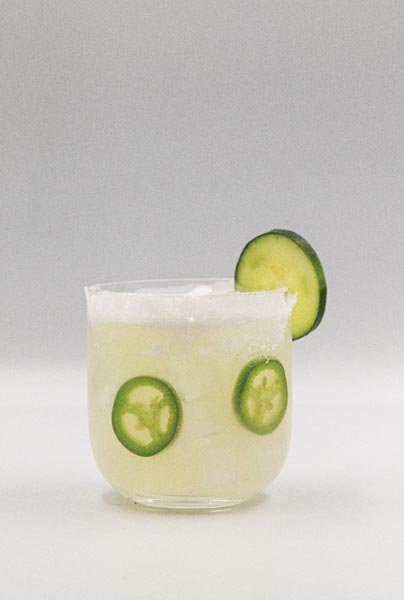
For an easy way to break the ice with those near you, sharing a drink, or the mana, lets you open up your home in a low-stress setting without the pressure of cooking for a crowd. These simple at-home cocktail recipes for a Cucumber Serrano Margarita or Mana Paloma make hosting a breeze – and will leave neighbors thinking you’re a natural bartender.
To discover more ways the philosophy of Mana can revitalize human connection, visit Timeleft.com.
Cucumber Serrano Margarita
- 2 ounces Teremana Blanco or Reposado
- 1 ounce fresh cucumber juice
- 3/4 ounce fresh lime juice
- 1/2 ounce agave nectar
- 3 thin slices serrano pepper, divided
- ice
- cucumber slice, for garnish
- salt, for rim
- tajin, for rim
- In cocktail shaker, combine tequila, cucumber juice, lime juice, agave nectar and two slices serrano pepper; shake with ice. Strain over fresh ice into rocks glass.
- Garnish with cucumber slice and remaining serrano pepper slice. Rim half of glass with salt and tajin.
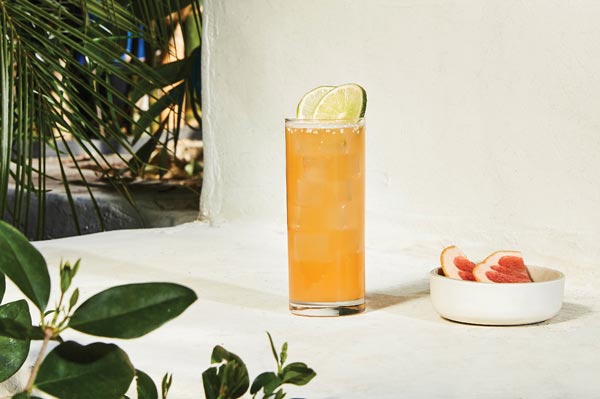
Mana Paloma
- Ice
- 2 ounces Teremana Blanco
- 1 ounce grapefruit juice
- 3/4 ounce lime juice
- 1/2 ounce simple syrup
- club soda
- 1 pinch salt
- lime wheel or grapefruit peel, for garnish
- In highball glass over ice, combine tequila, grapefruit juice, lime juice, simple syrup, club soda and salt. Gently stir, garnish with lime wheel or grapefruit peel and serve.

SOURCE:

(Feature Impact) Despite its wide recognition as an effective tool for skin cancer prevention, many Americans still say they aren’t sure how sunscreen works. In fact, confusion about its use and misinformation persist, especially on social media.
According to a national survey conducted by Atomik Research on behalf of the nonprofit Melanoma Research Alliance (MRA), 53% of the 2,000 adult respondents said they’ve seen claims that sunscreen ingredients may be harmful while 59% reported they’re concerned about what’s in sunscreen and 38% don’t believe sunscreen is safe and effective.
This sunscreen confusion highlights a central challenge in preventing skin cancer, which is the most common form of cancer in the United States, according to the U.S. Centers for Disease Control and Prevention.
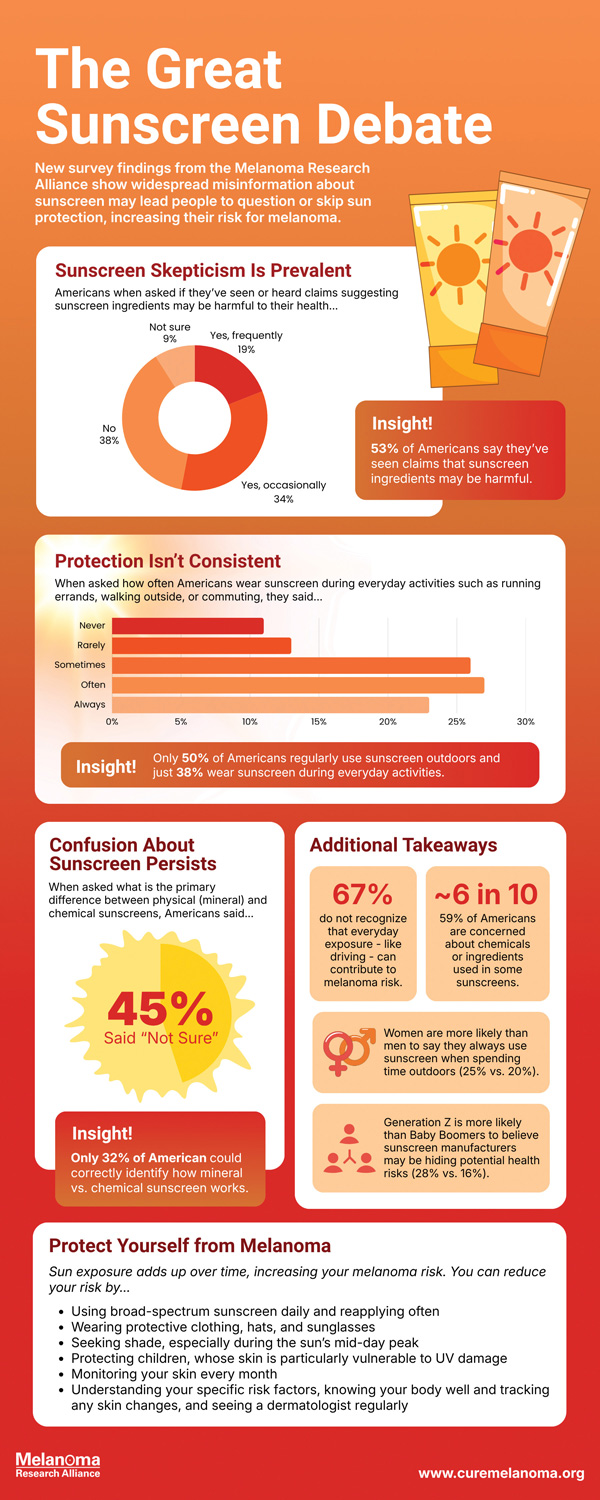 Among the various types of skin cancer, 9 out of 10, including melanoma, are linked to exposure to ultraviolet (UV) radiation, according to the MRA. The survey found most Americans have a basic understanding of the risks of sun exposure, including the more than 8 in 10 who recognize spending long hours in the sun contributes to melanoma risk. However, roughly one-quarter said they rarely or never use sunscreen when outdoors.
Reducing exposure to UV radiation lowers the risk of skin cancer, making sunscreen a key part of prevention, even during those everyday moments you may not immediately recognize as “risky,” like a short walk through a parking lot or an hour sitting in the bleachers at a sporting event.
To combat the confusion, it’s important to first understand how sunscreen works. It absorbs or blocks UV radiation from reaching the skin, preventing DNA damage that can cause cancer.
“Conflicting or incomplete information can make people less likely to wear sunscreen consistently,” said Dr. Joan Levy, chief science officer at the MRA, “but the science on sun protection is clear, and sunscreen is one of the most effective tools to prevent melanoma.”
Active ingredients in sunscreen in the U.S. undergo rigorous review by the Food and Drug Administration (FDA), which evaluates them as over-the-counter drugs – a standard which requires extensive testing and contributes to a more limited set of approved UV filters compared to Europe, where sunscreens are regulated as cosmetics.
The FDA is evaluating additional methodologies for assessing sunscreen ingredients, a process that could, according to Levy, expand the number of approved UV filters available in the U.S.
While melanoma remains the deadliest form of skin cancer, real progress is being made in melanoma research. Recent advances are improving outcomes for many patients with the disease, though approximately 50% of patients do not respond to current treatments, according to the MRA, underscoring why prevention and early detection are critical.
“Treatments such as immunotherapy have significantly improved outcomes for many melanoma patients, but we should never need to treat what we could have prevented,” Levy said.
To learn more and find strategies to protect your skin, visit CureMelanoma.org.
Photo courtesy of Shutterstock
SOURCE:






-

 NEWS3 years ago
Suspect indicted, jailed in Tia Hutson murder
-
 NEWS4 years ago
2 hurt, 1 jailed after shooting incident north of Nocona
-
 NEWS3 years ago
SO investigating possible murder/suicide
-

 NEWS4 years ago
Wreck takes the life of BHS teen, 16
-
 NEWS3 years ago
Murder unsolved – 1 year later Tia Hutson’s family angry, frustrated with no arrest
-
 Show us something good9 years ago
Country music star children perform in Bowie
-
 100th Birthday4 years ago
Looking back at the 1958 Centennial edition of The Bowie News
-
NEWS3 years ago
Sheriff’s office called out to infant’s death