
HEALTHY LIVING
Going green in your community


(Family Features) Preserving your community for future generations can take many forms. It might mean volunteering with local organizations and participating in community improvement initiatives. Taking steps to protect the environment is another critical way to ensure your community remains safe and livable for generations to come.
These ideas show that going green can be as simple as making small modifications to everyday actions you already take.
Donating Unwanted Goods
Landfills are overflowing with items that still have plenty of useful life. Often, those discarded items could be repurposed to provide an affordable option to those who can’t afford new, full-price versions. Before loading up your trash can, consider donating things like household goods and clothing that could still serve a purpose. Numerous organizations accept gently used goods that they either distribute directly to those in need or sell to the general public, with proceeds benefiting a specific cause or population. Look into the options in your area to find the best fit for items you have that can be donated.
Rethinking Transportation Pollution from transportation accounts for 29% of the United States’ emissions, according to the Environmental Protection Agency (EPA). That’s a higher percentage than any other category measured by the EPA. Carpooling, public transportation and even carefully planning your route are ways you can take personal accountability to help reduce the problem.
Another way to improve transportation emissions is by talking to your school district about its school bus choices. Diesel school buses are not only expensive to operate, but they are harmful to children’s health, the community and the climate, according to data compiled by the Propane Education & Research Council. Conversely, propane reduces harmful emissions that impact student health and air quality in the community. By advocating for your district to convert to a more environmentally friendly transportation option, such as propane, you can help further reduce harmful emissions in your community.
Find more information about propane-powered buses at BetterOurBuses.com.
Recycling and Composting
Another way to reduce landfill waste is recycling and composting. Many of the items you throw away can be recycled into all-new materials. For example, recycled plastic can be used in a wide range of products, from sleeping bags and backpacks to dishes and reusable water bottles. Food waste represents a large share of landfills, too. Eventually it will biodegrade, but composting what you can at home gives you nutrient-rich material you can use to support your garden or lawn with healthier soil and less need for pesticides.
Cleaning with Natural Products
Keeping your home clean takes more than a little elbow grease, but the harsh chemicals found in many household cleaners are actually quite damaging. The chemicals can be poisonous or contain allergens that negatively impact your home’s air quality. Natural cleaners are often more cost-efficient, so you can enjoy cleaner air and minimize your impact on the environment.
Taking Advantage of Natural Light
If you’re in the habit of flipping on a light switch as you walk in a room, next time pause and consider whether you really need additional light. During daylight hours, many rooms offer more than enough natural light. Sunlight can also help warm spaces naturally when it’s cool outdoors, so throw open the curtains and let those warm, bright rays shine. If you do need additional light, consider relying on task lighting to illuminate your project rather than an overhead light that consumes more electricity.
Benefits of Propane School Buses
 Over the last several decades, there have been many advances in student transportation. However, one area that could still use improvement is the number of students who ride to school on diesel buses that pollute the air. Today, there are two meaningful energy choices for clean student transportation: propane and electric. While both can achieve clean transportation, propane buses cost one-third the price of electric, allowing districts to replace their aging diesel fleet faster.
As an affordable, available and clean energy source, propane buses make practical sense. The buses reduce harmful emissions by 96% compared to diesel. They can also meet school districts’ needs with a range of up to 400 miles and the resiliency to continue operating across all terrains and in any weather. In fact, more than 1,000 school districts have already made the switch. Every day, 1.3 million children ride to school in 22,000 propane school buses across the country.
In 2022, the EPA introduced the Clean School Bus Program, which provides $5 billion over five years (2022-26) to replace existing diesel school buses with zero-emission and low-emission models.
Through three rounds of funding, the EPA program has allocated more than $2.8 billion for 8,427 electric school buses and 440 low-emissions propane buses. However, for the same amount of money that was distributed for the electric buses (about $2.77 billion), the program could have helped fund as many as 92,635 propane buses, assuming each propane bus received the $30,000 incentive.
When considering full lifecycle emissions, replacing 92,635 diesel buses with propane buses would have reduced harmful nitrogen oxide (NOx) emissions by 24,664 metric tons over the three years the program has funded buses. By comparison, replacing just 8,427 diesel buses with electric buses will reduce NOx emissions by just 2,379 metric tons over the three years.

Alzheimer’s disease has touched the lives of millions. Tens of millions of people have Alzheimer’s disease worldwide, accounting for 60 percent to 70 percent of the total number of people living with dementia globally, according to the World Health Organization. However, when including early, pre-symptomatic stages like prodromal and preclinical phases, estimates indicate 400 million people across the globe are affected by brain changes linked to Alzheimer’s, says the National Institutes of Health.
Expanding medications and clinical trials
For decades, medical interventions for Alzheimer’s were limited to managing symptoms. Today, the treatment landscape is undergoing a profound transformation. Therapeutic strategies now directly target the biological drivers of the disease, supported by expanded drug offerings, advises Alzheimer’s Research UK.
The Alzheimer’s Association says that analysis of global clinical trials points to positive results of a growing body of medications. There are now 158 novel agents currently being evaluated across 192 clinical trials. While amyloid-targeting drugs once comprised 33 percent of the clinical studies, that share has dropped to 20 percent, as therapies targeting neuroinflammation and tau protein tangles have increased.
The Alzheimer’s Association also says approximately 35 percent of drugs currently in development are repurposed therapies previously approved for other conditions. This helps speed up the pathway of important medications for clinical availability.
Earlier diagnoses
Disease-modifying medications show the highest efficacy when administered during early stages. That means that early detection of Alzheimer’s disease is critical. The Alzheimer’s Impact Movement says high-accuracy blood tests prescribed in primary care settings can enable clinicians to screen for amyloid pathology using a simple blood draw.
Targeting genes
Researchers supported by the NIH are exploring gene therapy approaches to reduce amyloid accumulation early on and quiet brain inflammation. These include delivering protective APOE-e2 gene variants.
GLP-1s, shingles vaccines and promising findings
Observational and real-world studies show that taking GLP-1 medications for type 2 diabetes or obesity is associated with a lower risk of developing Alzheimer’s and cognitive decline, according to the Cleveland Clinic. Similarly, major published studies show that adults over age 65 who receive the two-dose shingles vaccine have significantly reduced risk of Alzheimer’s and vascular dementia compared to unvaccinated individuals. Both of these treatments can reduce brain inflammation associated with dementia development.
Lifestyle changes
Medications and other therapies are just the tip of the iceberg. Non-pharmacological interventions also are successful at reducing Alzheimer’s disease prevalence. Findings published in the Journal of the American Medical Association demonstrate that targeted exercise, dietary changes and cognitive training significantly preserves brain function. This can yield memory performance equivalent to being one or two years younger.
Alzheimer’s disease research continues, and various developments in prevention and treatment are going beyond symptom management.

Who would have thought an informal idea between two friends enjoying a drink in a pub in Melbourne, Australia, back in 2003 would transform into a global health phenomenon? Movember, an event born of blending the words “mustache” and “November” together, is the brainchild of Travis Garone and Luke Slattery and encourages men to grow out their facial hair for thirty days. Fondly referred to as “Mo Bros,” the men who participate in Movember help to spread awareness about the silent crises surrounding men’s physical and mental health in a lighthearted way, according to Texas Health Resources.
Since its inception, the Movember Foundation has moved beyond the original 30 Mo’s Bros to cover 20 countries, mobilizing more than six million participants and funding upwards of 1,250 health projects worldwide. The charity’s main focus is prostate cancer, testicular cancer and mental health and suicide prevention. These issues are leading concerns for men in modern times.
The American Cancer Society says approximately one in eight men will be diagnosed with prostate cancer during their lifetime, making it the second most common cancer in men globally. Testicular cancer is the most common form of cancer among young men between the ages of 15 and 39. It is highly treatable when identified early; however, knowledge of self-examination remains very low.
According to the World Health Organization, men account for nearly 75 percent of all suicides globally. One man dies by suicide, on average, every minute of every day. Many men confront social stigmas that prevent them from seeking help when struggling with mental health issues like depression or anxiety.
Movember’s core philosophy is easy: use facial hair as a visual conversation starter to initiate conversations about health topics men historically avoid. This may prompt other men to schedule health exams or talk about emotional well-being that can help save their lives. In addition, the Move for Movember initiative urges people to run or walk 60 kilometers (approximately 37 miles) throughout the month to honor the 60 men who lose their lives to suicide every hour.
Movember may seem like the butt of jokes, but this goofy idea spurs very serious conversations that can be life-saving.
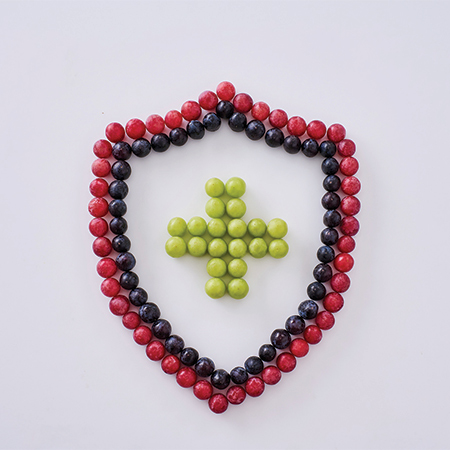
(Feature Impact) Your immune system is your strongest ally during cold and flu season, working hard to keep you healthy as you start hearing those telltale coughs and sneezes all around. Help your body do its job well by adopting a few simple habits that naturally support its ability to fight off germs or recover faster.
Talk to your healthcare provider for personalized advice then work on making these habits normal in your household.
Get Regular Exercise
Exercise is like a wonder drug that can improve nearly every aspect of health and wellness. Physical activity increases blood flow, reduces long-term inflammation, helps immune cells circulate through the body to guard against invaders and may even flush bacteria out of your lungs and airways. Plan to fit at least 150 minutes of moderate exercise into each week, like a bike ride, brisk walk, yoga class or on-demand video workout.
Eat Foods That Support Immune Health
To keep your immune system fueled, experts recommend eating a varied diet featuring plenty of fruits, vegetables, nuts, seeds, whole grains and healthy fats like olive oil. Consider adding fresh grapes to your diet to enjoy benefits from their naturally occurring plant compounds.
Protecting the body starts all the way down at the cellular level, and grapes contain powerful polyphenols that support the health and function of cells. Studies indicate certain compounds in grapes, like resveratrol and flavonoids, support immune system function as well as brain, skin, GI and heart health.
These little fruits are easy to add to your diet, whether you enjoy sweet, juicy Grapes from California by the handful or toss them in a blender to make this California Grape Wellness Juice recipe. Support multiple aspects of wellness with the drink’s powerful combination of fruits and vegetables, delivering a variety of immune-boosting vitamins, minerals and antioxidants.
Stay Hydrated
Drinking enough water helps clean your lymphatic system, which is responsible for producing special white blood cells that fight germs. It also keeps membranes in your nose and mouth moist, decreasing infection risk. If you struggle to drink enough, eating water-rich foods like grapes also helps you improve hydration.
Practice Good Germ Hygiene
To increase your odds of staying healthy during peak illness season, hearken back to the tried-and-true hygiene advice your parents might have tried to drill into your head as a kid. Regularly wash your hands with warm water and soap, avoid touching your face while out and about, keep your distance from symptomatic people and disinfect commonly used surfaces like doorknobs when someone in the house or office is sick.
Sleep More, Stress Less
Before you start feeling stressed that you aren’t getting enough sleep, rest assured there are easy changes you can make to support your well-being in both areas. Try switching up your nightly routine to be oriented less around screens and more around calming activities that actually help you wind down, like yoga, meditation or reading.
Discover more health information and recipes at GrapesFromCalifornia.com.

California Grape Wellness Juice
Servings: 3 (1 cup each)
- 5 cups black or red Grapes from California
- 1/2 cup peeled raw beet slices
- 3/4 cup orange juice
- 1/4 cup lemon juice
- 1 small carrot, peeled and sliced
- 1 piece fresh turmeric (1-inch), peeled and sliced or1 teaspoon ground turmeric
- In high-speed blender, puree grapes, beet slices, orange juice, lemon juice, carrot and turmeric until smooth.
- Pour through fine mesh sieve, stirring to extract as much juice as possible, about 3 cups. Stop when mixture starts to get thick. Enjoy immediately or cover and refrigerate until ready to serve.
Notes: This juice can also be added to iced tea or fizzy water.
Nutritional information per serving: 230 calories; 3 g protein; 58 g carbohydrates; 0.5 g fat (2% calories from fat); 0 g saturated fat (0% calories from saturated fat); 0 mg cholesterol; 35 mg sodium; 0 g fiber.

SOURCE:






-

 NEWS3 years ago
Suspect indicted, jailed in Tia Hutson murder
-

 NEWS4 years ago
Wreck takes the life of BHS teen, 16
-
 NEWS3 years ago
Murder unsolved – 1 year later Tia Hutson’s family angry, frustrated with no arrest
-
 NEWS4 years ago
SO investigating possible murder/suicide
-
 NEWS4 years ago
2 hurt, 1 jailed after shooting incident north of Nocona
-
 Show us something good9 years ago
Country music star children perform in Bowie
-
 100th Birthday4 years ago
Looking back at the 1958 Centennial edition of The Bowie News
-
 Show us something good9 years ago
Bowie finally earns ‘World’s Largest Bowie Knife” record from Guinness