
HEALTHY LIVING
Learn to control ‘bad’ cholesterol


(Family Features) Getting your cholesterol checked, and talking with your doctor about steps to control high cholesterol, could save your life. If you, or someone you love, have experienced a heart attack or stroke, you know how life-changing those moments can be.
What many don’t realize is high LDL (low-density lipoprotein) cholesterol often plays a silent role behind the scenes. Taking control of cholesterol numbers starts by knowing your LDL number and working with your doctor to put together an appropriate treatment plan.
Your body produces all the cholesterol it needs to stay healthy. Cholesterol helps make new cells, some hormones and substances that aid in food digestion. However, having too much cholesterol can contribute to serious health risks.
Knowing more about cholesterol and its role in your body and overall health can help you protect yourself from potential life-threatening conditions like heart attack or stroke – even if you’ve already had one. Learn more with this information from the American Heart Association’s “Lower Your LDL Cholesterol Now” initiative, nationally sponsored by Amgen, so you can take control of your heart health.
Know Your Numbers
Keeping tabs on your cholesterol is an important step toward managing potentially serious risks to your heart, brain and overall health. LDL cholesterol, also known as “bad” cholesterol, can cause fatty buildup called plaque in your arteries.
Nearly 1 in 3 adults in the U.S. has high LDL (bad) cholesterol, but many don’t know until it’s too late. Having too much LDL (bad) cholesterol can silently increase your risk for heart attack and stroke when it goes unchecked, but you have the power to change that.
“A lot of people don’t realize they have high LDL (bad) cholesterol because it doesn’t have symptoms,” said Dr. Amit Khera, American Heart Association national volunteer expert and cardiologist. “That’s why I always encourage my patients to get their cholesterol checked and have honest conversations with their doctors. Knowing your LDL number is one of the most important things you can do to protect your heart.”
Studies show an LDL at or below 100 milligrams per deciliter (mg/dL) is ideal for most adults. If you have a history of heart attack or stroke and are already on a cholesterol-lowering medication, your doctor may aim for your LDL to be 70 mg/dL or lower.
Get Tested
Don’t wait; schedule a cholesterol test as soon as possible. High cholesterol often has no symptoms, so it’s important to get your cholesterol checked even if you feel fine. In fact, the American Heart Association recommends all adults 20 and older have their LDL (bad) cholesterol checked every 4-6 years as long as risk remains low. If you have had a heart attack or stroke, talk to your doctor about the right frequency of testing.
A blood test to measure your cholesterol numbers, called a “fasting” or “non-fasting lipid profile or panel,” assesses several types of fat in the blood. The test gives four results: total cholesterol, LDL (bad) cholesterol, HDL (good) cholesterol and triglycerides (blood fats).
Talk to Your Doctor
Your doctor is there to help you reach your health goals, including keeping your LDL (bad) cholesterol at a healthy number. Making decisions together is the best way to create a treatment plan you’ll be more likely to stick to. If you don’t understand something, ask for further clarification.
Discuss your risk factors, including your personal and family medical history. Having a candid conversation about your lifestyle can also help pinpoint potential risk factors and areas you can work to reduce your risk and improve your health.
If your LDL cholesterol number is high, your doctor may recommend treatment options. Together, you can review the benefits, risks and side effects to decide on the treatment plan that works best for you.
Take Action Early
The sooner you manage high LDL (bad) cholesterol, the more you can reduce your risk of heart attack and stroke. Proactively monitoring and taking steps to slow or reverse your numbers can halt or delay buildup in your arteries. In addition, treatment options can be more effective when a high LDL number is detected early.
Learn more about the steps you can take to combat high LDL (bad) cholesterol at heart.org/LDL

Living with High LDL (Bad) Cholesterol
If your LDL (bad) cholesterol is elevated, lifestyle changes can help lower your overall risk of heart disease, but may not be enough to counteract individual risk factors such as genetics and family history. Check your LDL (bad) cholesterol number then talk to your doctor about next steps, including these changes to take back control of heart health.
Eat a Heart-Healthy Diet
From a dietary standpoint, the best way to lower your cholesterol is to follow a balanced diet, which is low in saturated fats, trans fats and cholesterol.
Following a heart-healthy diet means limiting your intake of fatty meats and dairy products made with whole milk. Choose lean cuts of meat and skim, low-fat or fat-free dairy products instead. It also means limiting fried foods and cooking with healthy oils, such as liquid vegetable oils instead of butter or coconut oil, which are high in saturated fat and cholesterol.
Be More Physically Active
A sedentary lifestyle lowers HDL (good) cholesterol. Less HDL means there’s less good cholesterol to remove bad cholesterol from your arteries.
At least 150 minutes of moderate-intensity aerobic exercise a week is enough to lower both cholesterol and high blood pressure. Brisk walking, swimming, bicycling or even vigorous yard work can fit the bill. In addition, the American Heart Association recommends adding moderate- to high-intensity muscle-strengthening activity – such as resistance training or weightlifting – at least two days each week.
Quit Smoking
When a person with unhealthy cholesterol numbers also smokes or vapes, the risk of heart disease increases even more. Smoking also compounds other risk factors for heart disease, such as high blood pressure and diabetes.
By quitting, smokers can lower their triglycerides and increase their HDL cholesterol numbers. Quitting can also help reduce damage and improve how the arteries function.
Lose Weight
Living with excess weight or obesity tends to raise the chances of increasing LDL (bad) cholesterol and lowering good cholesterol. Weight loss of even 5-10% may help improve some cholesterol numbers and other heart disease risk factors.
Photo courtesy of Shutterstock (patient with doctor)
SOURCE:

(Feature Impact) Outsmarting a baby can be harder than it sounds – especially when it comes to transforming your home into a safe place for them to explore. Through their eyes, a coffee table becomes a climbing opportunity, a dangling phone charger looks like a teething toy and a cabinet of cleaning supplies could be an exciting travel destination.
Babyproofing is about anticipating those discoveries before little ones make them. In honor of National Baby Safety Month, consider these tips to make your home safer all year round.
Install Gates and Doorknob Covers
Crawling babies and stairs are a bad combination. Make sure the two never have the chance to meet by securely installing safety gates at the top and bottom of staircases to thwart young explorers. Gates or doorknob covers can also block access to other rooms and areas you’d prefer to keep off limits, like kitchens, bathrooms and laundry areas.
Use Safety Latches Wisely
Cabinets and drawers can contain a myriad of dangerous items, from cleaning products to sharp objects and medications. Even if you have rooms gated off, treat safety latches and locked storage receptacles as a second line of defense to make sure babies and toddlers can’t rummage where they shouldn’t.
Stress-Test Furniture
As babies and toddlers transition from crawling to walking, they often try using furniture to pull themselves up. Tall or unstable objects like TV stands, small tables and bookshelves can tip over if they aren’t properly secured. Try giving these objects a shake to see whether they’re easily moveable or wobbly; if so, anchor them to the floor or wall when possible. While you’re at it, check for sharp corners at the right height to bonk little heads and cover them with softer edge protectors.
Cover Outlets and Stow Cords
Electrical outlets can be tempting targets for curious fingers. Outfit them with covers or plastic safety caps, especially if you don’t already have tamper-resistant receptacles with built-in mechanisms to block foreign objects from entering the slots. As you’re going about your outlet audit, pay attention to cords as well. When possible, tuck them away or secure them with cord organizing systems, and block access to objects like lamps where cords can be used for tugging and toppling.
See the World at Their Level
Although it might feel silly, one of the best ways to spot hazards around your home is to scout for them from a baby’s perspective. Try getting as close to the floor as you can then look around each room for anything that could interest a young child and pose potential danger. In particular, keep an eye out for small objects that could become choking hazards, like dropped coins, batteries or loose toy pieces.
As children grow, so do the needs of your space. Visit eLivingtoday.com for more ideas on designing your home to fit your family.
Photo courtesy of Unsplash
SOURCE:

(Feature Impact) Your brain works hard for you, so it’s only fair to return the favor by practicing simple everyday habits to keep this important organ strong and thriving.
Start by tweaking your daily routine to focus on these four habits.
Prioritize Sleep
Getting quality sleep is vital for proper brain function. If you find you’ve slipped into the habit of staying up later than you should or notice your sleep being disrupted during the night, those are signs to revisit your sleep hygiene practices. Start by establishing a regular bedtime and wake-up time that will give you the recommended 7-9 hours of sleep. Turn your bedroom into a comfortable refuge from the world – keep it cool and dark, and set up fans or noise machines if you need them to quiet your mind. Avoid consuming caffeine or alcohol too close to bedtime and try switching to a book instead of a screen when it’s time to wind down.
Eat Smart
Just like the rest of the body, the brain is nourished by food. Some of its favorite foods are options rich in healthy fats like fish, avocado, olive oil and nuts, as well as vegetables like leafy greens, which offer carotenoids, and fruits such as grapes, which deliver antioxidants and other polyphenols.
Combine several of these powerful brain-boosting foods at once with this California Grape and Sardine Avocado Toast recipe. The fish is rich in omega-3 fatty acids and the avocado offers a boost of healthy unsaturated fat, while the grapes add protective dietary flavonols, which may help promote anti-inflammatory and beneficial antioxidant activity.
A study published in the scientific journal “Neurology” found a higher intake of certain flavonols – including three naturally found in grapes – is associated with a 48% decreased risk of developing Alzheimer dementia.
Get Moving
Adding even more proof that what’s good for your body is good for your mind, getting regular exercise is one of the best things you can do for your brain. Motivate yourself by choosing a form of movement you genuinely enjoy, whether it’s a daily walk on a nearby nature trail, a dance class, a bike ride or a heart-pumping workout video.
Challenge Your Mind
Don’t forget to give your brain its own workout, too. Doing something mentally stimulating every day is a great way to keep yourself sharp, and there are plenty of ideas to choose from. Try learning a new language, picking up a musical instrument, playing a mind-engaging card or board game, doing a puzzle, reading a book or immersing yourself in a creative writing or art project. The options are nearly endless, and if you want to make your brain extra happy, you can snack on handfuls of grapes as you enjoy your hobby.
Learn more about the connection between grapes and brain health and discover more recipes by visiting GrapesFromCalifornia.com.
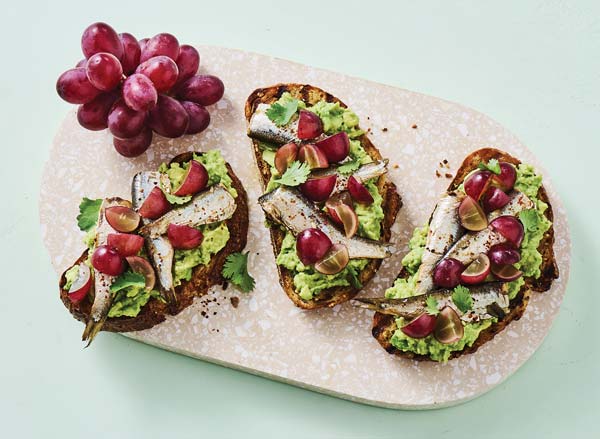
California Grape and Sardine Avocado Toast
Prep time: 10 minutes
Servings: 4
- 1 large firm, ripe avocado, halved and pitted
- 4 small slices rustic whole grain bread (1/2-inch thick), toasted or grilled
- 1 individual container sardines in olive oil or water, drained
- 1/2 cup quartered red and black Grapes from California
- Aleppo pepper flakes
- fresh cilantro, snipped
- 1 lemon half
- salt (optional)
- With spoon, scoop avocado out of skin and use fork to coarsely mash.
- Spread onto bread slices and top with whole or torn sardines. Sprinkle grapes over sardines.
- Top with generous sprinkle of Aleppo pepper, cilantro, squeeze of fresh lemon and salt, if desired.
Nutritional information per serving: 290 calories; 11 g protein; 29 g carbohydrates; 16 g fat (50% calories from fat); 2.5 g saturated fat (8% calories from saturated fat); 20 mg cholesterol; 210 mg sodium; 6g fiber.
SOURCE:

Protein-Packed Snacking for Back-to-School Season
(Feature Impact) As busy families prepare for hectic school days, it can be invaluable to have nutritious grab-and-go options on hand for lunches and snacks. Having one less thing to worry about makes a difference when you’re juggling work, school, sports practices and games, and other extracurriculars while trying to keep everyone fed and happy.
Watch this video to learn more
Since protein is an important nutrient for energy and satiety, choosing options like PB2Go Cups could be the perfect solution. As the pioneer of powdered peanut butter, PB2 has made it more portable than ever with the introduction of their new, on-the-go cups.
With 10-11 grams of protein per cup, they’re easy to toss in a lunchbox or backpack, offering a convenient way to keep your family powered up through the afternoon. Simply add water to the fill line, stir with the built-in spoon and enjoy the Original or Chocolate Chip flavors on their own or as a dip with pretzels, crackers, apple slices or bananas for more flavor and fun during your snack break.
“Between packed lunches, busy schedules, and after-school activities, convenient protein options are a game changer,” said registered dietitian Mia Syn, a food and nutrition expert. “That’s why I love PB2Go Cups. With a built-in spoon in the lid, they’re ready to toss in a lunch box, backpack, or gym bag and enjoy wherever the day takes you.”
Whether you’re tackling early-morning school prep or searching for a ready-when-you-are snack to keep in your locker, powdered peanut butter is a healthy, satisfying choice. No stress and no mess makes for a winning combination, and families who value balanced nutrition will appreciate having a quick, pre-portioned source of protein on hand when their schedules are full.
For more information, visit PB2.com.
SOURCE:






-

 NEWS3 years ago
Suspect indicted, jailed in Tia Hutson murder
-
 NEWS4 years ago
2 hurt, 1 jailed after shooting incident north of Nocona
-

 NEWS4 years ago
Wreck takes the life of BHS teen, 16
-
 NEWS3 years ago
SO investigating possible murder/suicide
-

 NEWS3 years ago
Murder unsolved – 1 year later Tia Hutson’s family angry, frustrated with no arrest
-
 Show us something good9 years ago
Country music star children perform in Bowie
-
 100th Birthday4 years ago
Looking back at the 1958 Centennial edition of The Bowie News
-
NEWS3 years ago
Sheriff’s office called out to infant’s death