
Live Better
5 things funeral directors wish everyone knew


(Family Features) Most people don’t want to think about death – let alone talk about it. When the time comes, families often find themselves overwhelmed, not only by grief but by the many decisions that need to be made quickly.
Funeral directors witness this every day. They see the stress and confusion that can come when there is no plan in place and the peace of mind that comes with thoughtful preparation.
After consulting funeral directors nationwide, the National Funeral Directors Association (NFDA) uncovered five things they wish families knew before a death occurs.
- It’s Never Too Early to Start Planning
While everyone knows death and taxes are inevitable, conversations about death are often avoided.
Simply documenting your wishes and discussing your preferences with your family can alleviate the difficult decisions your loved ones will have to make in the future. Speak with a funeral director to explore the many options for planning a meaningful funeral.
- Legal and Financial Details Can Cause Unexpected Issues
Families often don’t realize power of attorney ends at death, meaning a designated person can no longer make decisions or access bank accounts once an individual dies.
To avoid complications, consider adding a trusted loved one to your bank account and ensure life insurance beneficiaries are up to date. Too often, deceased individuals leave minor children, deceased spouses or former partners as beneficiaries, leading to legal and financial challenges.
- Final Wishes Shouldn’t Be In Your Will
Many people believe the best place to document their final wishes is in their will. However, wills are often not read until after funeral services take place, making them an unreliable way to communicate last requests. Instead, discuss and document your wishes with family members or a trusted funeral professional who can keep your wishes on file until there is a need.
- There Are a Variety of Memorialization Options
End-of-life planning offers more choices than many realize. While burial remains a common preference, cremation is an increasingly popular choice and can even include a viewing and funeral service. Additionally, eco-friendly options, such as alkaline hydrolysis, natural burial and natural organic reduction are becoming more widely available for those seeking green memorialization. In fact, according to NFDA’s 2024 Consumer Awareness and Preferences Study, 68% of respondents expressed interest in green funeral options.
Exploring these possibilities with a funeral professional can help ensure your final arrangements reflect your values, traditions and personal wishes.
- Funeral Directors Don’t Just Manage Funerals – They’re Trusted Guides In Honoring Life
Funeral directors play a vital role in helping families create meaningful services that reflect their loved one’s life, values and traditions. Whether planning ahead or facing a recent loss, funeral professionals provide expertise, compassionate care and personalized guidance during one of life’s most difficult moments.
Choosing the right funeral director is an important decision and finding someone who understands your needs can make all the difference in honoring your loved one in a personal and meaningful way.
Start the conversation today by talking about end-of-life planning. It isn’t easy, but it’s one of the most important conversations you can have with your loved ones. A little planning today can make a world of difference tomorrow.
Use comprehensive resources like RememberingALife.com, which is designed to guide families through every stage of the journey, including planning, funeral options and grief resources. The site offers valuable tools and support, such as the “Find a Funeral Home” tool to connect families with compassionate, local funeral directors and much more.
Photo courtesy of Shutterstock

(Family Features) Keeping a watchful eye on your kids requires an increasing level of tech savvy many parents find intimidating. Not only are your kids vulnerable to bad actors online, but your family’s personal information could be at risk, as well.
Learn how to protect your children and family in this digital age with these tips:
Elementary-Age Children
- Encourage open communication. Have conversations about what your kids see and do online and talk with them about potential dangers. Avoid lecturing in favor of an open exchange of information.
- Make their inherent interest in privacy work in your favor. Kids in this age group, particularly toward the middle school years, understand the concept of privacy and value it immensely. Use that context to help them understand what goes online is there to stay. Talk about what kinds of information should always be kept private, including identifying details like addresses and social security numbers.
- Stay on alert. Not all apps are completely safe (even the ones you can access from trusted stores) and not all filters are foolproof. Keep close tabs on what your kids are downloading by reading comments and reviews, and regularly monitoring what kind of content they see.
Middle School and High School Kids
- Continue talking about privacy. You can never have too many conversations about privacy. What seems like harmless sharing on social media can be quite revealing. For example, frequent posts about visits to a favorite store or restaurant can allow a predator to begin tracking behavior patterns that make your child a target. It’s also important for kids to understand how their privacy settings work. For example, settings that allow exposure to friends of friends make their visibility to strangers much broader than they may realize.
- Help manage their online reputation. Behaviors that once resulted in a day or two of hallway chatter can now live forever. Documenting mischief online is only fun until it spills over into real life and everyone sees those mistakes in full color – including prospective future employers.
- Be clear about your position on bullying. From the safe distance of a screen, it’s easier for kids (and adults) to say things they’d never say in person. Teach your kids to handle problems constructively offline and avoid engaging in attacks on others through social media, email and other platforms.
College Students
- Reinforce the risks. Once they’re on their own, kids may feel more liberated to make their own choices online. However, college students are easy prey for identity theft and worse. Remind them what’s at stake if they fail to protect their identity and private information, like where they live and what they do on a regular basis.
- Teach smart practices. With all the independence that comes with college life, this is an ideal time for your student to take personal responsibility for his or her online security, including learning about virus protection, updating software, avoiding scams and backing up data.
If you’re looking for more practical advice for everyday family matters, visit eLivingtoday.com. Photo courtesy of Getty Images
SOURCE:
Family Features
(Feature Impact) From celebratory parties to casual get-togethers, hosting is a wonderful way to bring people together, share laughs and make memories. Of course, planning and hosting can be quite a bit of work, so a little preparation can go a long way to ensure an enjoyable time for everyone, including the host.
Follow these tips from the hosting experts at Bravo, makers of eco-friendly, high-performance paper towels, to plan your next gathering so it goes off without a hitch.
Keep the Menu Simple
Naturally, you want to make sure your guests are well-fed and happy, but trying to achieve a Michelin-star rating in your home kitchen is usually just a recipe for stressing yourself out. If you’re serving a meal, stick to some tried-and-true crowd-pleasers you can make in your sleep. Cook or bake in advance as much as possible so you’ll have less to worry about on the day itself.
Let Guests Know What to Bring
Good houseguests often enjoy contributing something, so make it easy for them – and yourself – by letting them know how they can help. You could ask one person to bring snacks, another to pick up beverages and a third to cover dessert. Potluck-style lunches or dinners are a great way to make sure everyone has enough to eat and drink while taking the pressure off just one person’s shoulders.
Have a Backup Plan
In case you’re arranging an outdoor get-together, remember the weather can betray you. Keep alternative plans on standby in case you need to move the party indoors. Tidy up your living areas and ensure there is enough seating for everyone attending. It doesn’t hurt to have indoor-friendly entertainment options available too – often, people are content to just sit and chat with one another, but depending on the crowd, classic party games can still be a hit.
 Set Up Kids’ Zones
If you’ll be welcoming children to your home, provide one or two dedicated areas where they can safely play and enjoy themselves away from the rest of the action. Having an assortment of toys, games, coloring books, chalk, bubble wands and other sources of kid-friendly fun makes it easy for the whole family to have a great time.
Make Prep and Cleanup a Breeze
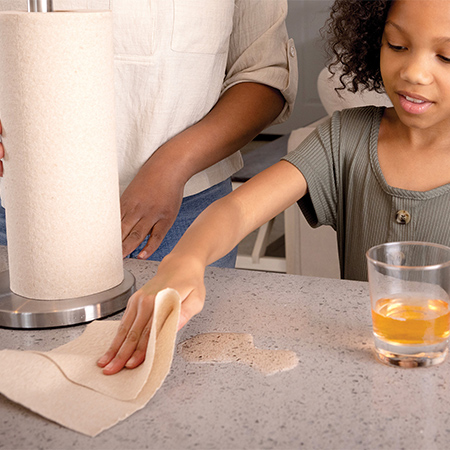
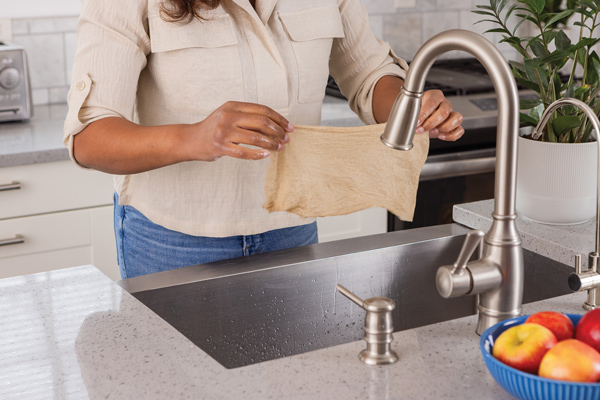
Keeping quality cleaning supplies on hand like Bravo paper towels means you can quickly wipe up spills and messes while you’re prepping. Then, after your guests depart, the strong, absorbent sheets make it easy to get your countertops sparkling again. They’re made with 75% curbside recycled paper and cardboard, making them sustainable-household-approved. Use them with water or your go-to cleaning solution before enjoying some well-deserved post-hosting relaxation in your fresh, clean home.
“Hosting can put paper towels to work, from quick countertop wipes to stuck-on foods and bigger cleanup jobs,” said chef and lifestyle expert Jamie Gwen. “Bravo has a clothlike feel that is soft on your hands, but it is still durable enough for scrubbing and strong enough to rinse and reuse.”
Find more smart cleaning tips at BravoTowel.com.

SOURCE:
Bravo
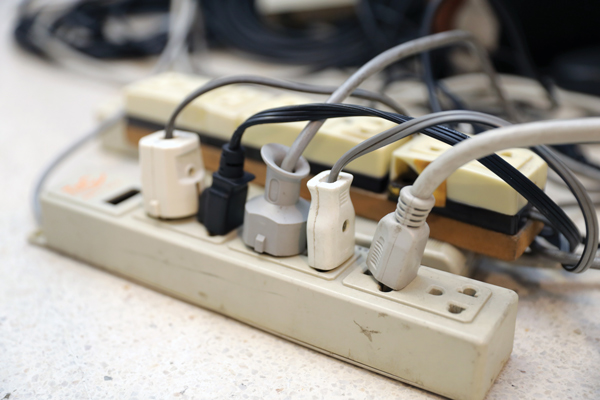
(Feature Impact) Power strips make it easy to add outlets where families need them, but they aren’t designed to handle every appliance in the home. Plugging certain high-powered appliances into a power strip can overload it, potentially causing overheating and increasing the risk of an electrical fire.
“Power strips are so common that it’s easy to assume anything with a plug can safely go into one, but that’s not the case,” said Bonnie Lee, vice president of property claims at Mercury Insurance. “Appliances that draw significant power can generate more heat than a power strip is designed to handle. A simple change in where you plug something in can help eliminate an unnecessary fire risk.”
The National Fire Protection Association (NFPA) recommends plugging portable space heaters directly into wall outlets and warns that extension cords can be too small for electrical loads such as space heaters and air conditioners. Additionally, the U.S. Consumer Product Safety Commission warns that power strips can pose a fire hazard when overloaded.
Take a closer look at these five household items, as recommended by the home safety experts at Mercury Insurance:
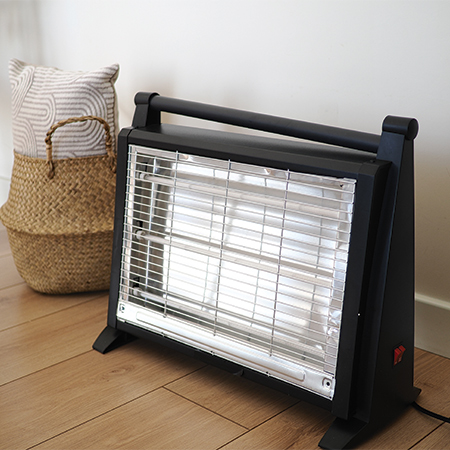
1. Space Heaters
Portable electric space heaters can draw substantial power and should be plugged directly into a wall outlet rather than a power strip or extension cord. The NFPA also recommends keeping space heaters at least 3 feet away from anything that can burn and turning them off when leaving the room or going to bed.
2. Air Fryers
Air fryers pack a powerful heating element. Depending on the model, that can mean a significant electrical load while the appliance is operating. Follow the manufacturer’s instructions and, when directed, plug the appliance directly into an appropriate wall outlet rather than a power strip already serving other kitchen devices.
 3. Microwaves
Microwaves require significant power during operation and generally should have a dedicated or properly rated outlet consistent with the manufacturer’s instructions. Avoid treating an available spot on a countertop power strip as an extra kitchen outlet. If there aren’t enough outlets to safely accommodate appliances, consider having a qualified electrician evaluate the setup.
4. Refrigerators and Freezers
Refrigerators and freezers operate around the clock, and their compressors can create additional electrical demand when cycling on. These appliances should be connected according to manufacturer’s instructions and applicable electrical requirements rather than relying on a power strip as a permanent wiring solution.
5. Portable Air Conditioners
Like space heaters, portable air conditioners can place a heavy load on an electrical circuit. NFPA guidance notes extension cords may be too small for loads including air conditioners. Follow the manufacturer’s instructions and use an appropriate wall outlet rather than assuming a power strip can safely handle the appliance.
For information about in-home fire safety, visit MercuryInsurance.com/resources.
Give Your Power Strips a Home Safety Check
The appliances plugged into a power strip aren’t the only things homeowners should consider. The condition and use of the strip itself matter, too.
Homeowners should avoid plugging one power strip into another, commonly known as “daisy chaining,” and should never use a power strip as a substitute for permanent household wiring. Damaged, discolored or unusually warm power strips should be taken out of service. Also check that power strips are appropriate for their intended use and follow all manufacturer’s instructions and electrical ratings.
“If you need power strips throughout a room just to operate everyday appliances, the bigger issue may be that your home electrical system isn’t meeting your needs,” Lee said. “Adding outlets or having an electrician evaluate the circuit may take a little more effort, but it’s a much better solution than creating a potential fire hazard.”
Homeowners should also pay attention to warning signs including frequently tripped circuit breakers, outlets or plugs that feel unusually warm, flickering lights, burning odors, buzzing or crackling sounds and discoloration around outlets. A qualified electrician should evaluate electrical problems rather than relying on additional power strips or extension cords as a workaround.
Photos courtesy of Shutterstock

SOURCE:







-

 NEWS3 years ago
Suspect indicted, jailed in Tia Hutson murder
-

 NEWS4 years ago
Wreck takes the life of BHS teen, 16
-
 NEWS3 years ago
Murder unsolved – 1 year later Tia Hutson’s family angry, frustrated with no arrest
-
 NEWS4 years ago
SO investigating possible murder/suicide
-
 NEWS4 years ago
2 hurt, 1 jailed after shooting incident north of Nocona
-
 Show us something good9 years ago
Country music star children perform in Bowie
-
 100th Birthday4 years ago
Looking back at the 1958 Centennial edition of The Bowie News
-
 Show us something good9 years ago
Bowie finally earns ‘World’s Largest Bowie Knife” record from Guinness