
HEALTHY LIVING
How to make the holiday less stressful for the whole family


(Family Features) Between changes in routine and visiting family (or having them visit you), the holidays can be emotionally overwhelming for children and adults alike, even in “normal times.” Add in inclement weather, the desire for a perfect holiday and parents still working, and you have a perfect cocktail for emotional meltdowns.
“The key to enjoying whatever this holiday season brings is to acknowledge the range of emotions the entire family may be feeling and hold space for those feelings,” said Ariel Acosta from KinderCare’s Inclusion Services team. “By working on a few key things now before the heightened expectations and busyness set in, families can build a toolbox of skills that will help make the season less stressful for everyone.”
Consider these tips to help families prepare for a less stressful holiday season.
Find ways to destress as a family – Throw on some music and have a dance party. Incorporate some simple yoga moves or stretches into your day to create mindful moments. Help your children create a list of calm-down techniques to choose from when they start to become overwhelmed or as a way to reset after an outburst, such as taking a deep breath.
Set expectations for greetings – Talk with your children about your family’s expectations around greetings and help them think of and practice different ways to say hello, such as a hug, handshake, high-five, wave or verbal greeting. Giving your children options ahead of time allows them to choose the greeting that feels most comfortable in the moment. To lessen the pressure, make sure family members and friends understand what you and your children are comfortable with. For example, “It looks like Zazil doesn’t want a hug right now, Auntie Mei. Perhaps a high-five would be better.”
Give your children (and yourself) grace – Talk with your children about the range of emotions you feel throughout the day. This can help them learn emotional literacy and flexible thinking. It also normalizes feelings. When a big feeling does happen, remember to connect before you correct by labeling and validating your child’s emotions: “I can see that you’re really sad we have to leave the party. Leaving makes me feel sad, too. What would help you feel better?”
If your child is engaged in unsafe behaviors, like hitting, wait until after everyone is calm before talking about what could be done differently next time.
“How you handle your mistakes can be a powerful example for your children,” Acosta said. “Once you’re calm, explain what happened to your children. Start by naming your emotion, apologize if you didn’t handle your feelings well and let your children know what you plan to do differently next time. ‘I was really mad you two were arguing and I yelled. I shouldn’t have done that. Next time, I’m going to try to remember to take some deep breaths to help me speak more kindly.’”
For more tips to help your children with social and emotional development, visit kindercare.com.
Photo courtesy of Getty Images
SOURCE:
KinderCare

Alzheimer’s disease has touched the lives of millions. Tens of millions of people have Alzheimer’s disease worldwide, accounting for 60 percent to 70 percent of the total number of people living with dementia globally, according to the World Health Organization. However, when including early, pre-symptomatic stages like prodromal and preclinical phases, estimates indicate 400 million people across the globe are affected by brain changes linked to Alzheimer’s, says the National Institutes of Health.
Expanding medications and clinical trials
For decades, medical interventions for Alzheimer’s were limited to managing symptoms. Today, the treatment landscape is undergoing a profound transformation. Therapeutic strategies now directly target the biological drivers of the disease, supported by expanded drug offerings, advises Alzheimer’s Research UK.
The Alzheimer’s Association says that analysis of global clinical trials points to positive results of a growing body of medications. There are now 158 novel agents currently being evaluated across 192 clinical trials. While amyloid-targeting drugs once comprised 33 percent of the clinical studies, that share has dropped to 20 percent, as therapies targeting neuroinflammation and tau protein tangles have increased.
The Alzheimer’s Association also says approximately 35 percent of drugs currently in development are repurposed therapies previously approved for other conditions. This helps speed up the pathway of important medications for clinical availability.
Earlier diagnoses
Disease-modifying medications show the highest efficacy when administered during early stages. That means that early detection of Alzheimer’s disease is critical. The Alzheimer’s Impact Movement says high-accuracy blood tests prescribed in primary care settings can enable clinicians to screen for amyloid pathology using a simple blood draw.
Targeting genes
Researchers supported by the NIH are exploring gene therapy approaches to reduce amyloid accumulation early on and quiet brain inflammation. These include delivering protective APOE-e2 gene variants.
GLP-1s, shingles vaccines and promising findings
Observational and real-world studies show that taking GLP-1 medications for type 2 diabetes or obesity is associated with a lower risk of developing Alzheimer’s and cognitive decline, according to the Cleveland Clinic. Similarly, major published studies show that adults over age 65 who receive the two-dose shingles vaccine have significantly reduced risk of Alzheimer’s and vascular dementia compared to unvaccinated individuals. Both of these treatments can reduce brain inflammation associated with dementia development.
Lifestyle changes
Medications and other therapies are just the tip of the iceberg. Non-pharmacological interventions also are successful at reducing Alzheimer’s disease prevalence. Findings published in the Journal of the American Medical Association demonstrate that targeted exercise, dietary changes and cognitive training significantly preserves brain function. This can yield memory performance equivalent to being one or two years younger.
Alzheimer’s disease research continues, and various developments in prevention and treatment are going beyond symptom management.

Who would have thought an informal idea between two friends enjoying a drink in a pub in Melbourne, Australia, back in 2003 would transform into a global health phenomenon? Movember, an event born of blending the words “mustache” and “November” together, is the brainchild of Travis Garone and Luke Slattery and encourages men to grow out their facial hair for thirty days. Fondly referred to as “Mo Bros,” the men who participate in Movember help to spread awareness about the silent crises surrounding men’s physical and mental health in a lighthearted way, according to Texas Health Resources.
Since its inception, the Movember Foundation has moved beyond the original 30 Mo’s Bros to cover 20 countries, mobilizing more than six million participants and funding upwards of 1,250 health projects worldwide. The charity’s main focus is prostate cancer, testicular cancer and mental health and suicide prevention. These issues are leading concerns for men in modern times.
The American Cancer Society says approximately one in eight men will be diagnosed with prostate cancer during their lifetime, making it the second most common cancer in men globally. Testicular cancer is the most common form of cancer among young men between the ages of 15 and 39. It is highly treatable when identified early; however, knowledge of self-examination remains very low.
According to the World Health Organization, men account for nearly 75 percent of all suicides globally. One man dies by suicide, on average, every minute of every day. Many men confront social stigmas that prevent them from seeking help when struggling with mental health issues like depression or anxiety.
Movember’s core philosophy is easy: use facial hair as a visual conversation starter to initiate conversations about health topics men historically avoid. This may prompt other men to schedule health exams or talk about emotional well-being that can help save their lives. In addition, the Move for Movember initiative urges people to run or walk 60 kilometers (approximately 37 miles) throughout the month to honor the 60 men who lose their lives to suicide every hour.
Movember may seem like the butt of jokes, but this goofy idea spurs very serious conversations that can be life-saving.
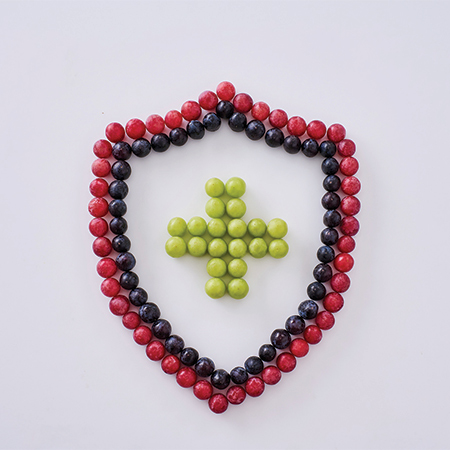
(Feature Impact) Your immune system is your strongest ally during cold and flu season, working hard to keep you healthy as you start hearing those telltale coughs and sneezes all around. Help your body do its job well by adopting a few simple habits that naturally support its ability to fight off germs or recover faster.
Talk to your healthcare provider for personalized advice then work on making these habits normal in your household.
Get Regular Exercise
Exercise is like a wonder drug that can improve nearly every aspect of health and wellness. Physical activity increases blood flow, reduces long-term inflammation, helps immune cells circulate through the body to guard against invaders and may even flush bacteria out of your lungs and airways. Plan to fit at least 150 minutes of moderate exercise into each week, like a bike ride, brisk walk, yoga class or on-demand video workout.
Eat Foods That Support Immune Health
To keep your immune system fueled, experts recommend eating a varied diet featuring plenty of fruits, vegetables, nuts, seeds, whole grains and healthy fats like olive oil. Consider adding fresh grapes to your diet to enjoy benefits from their naturally occurring plant compounds.
Protecting the body starts all the way down at the cellular level, and grapes contain powerful polyphenols that support the health and function of cells. Studies indicate certain compounds in grapes, like resveratrol and flavonoids, support immune system function as well as brain, skin, GI and heart health.
These little fruits are easy to add to your diet, whether you enjoy sweet, juicy Grapes from California by the handful or toss them in a blender to make this California Grape Wellness Juice recipe. Support multiple aspects of wellness with the drink’s powerful combination of fruits and vegetables, delivering a variety of immune-boosting vitamins, minerals and antioxidants.
Stay Hydrated
Drinking enough water helps clean your lymphatic system, which is responsible for producing special white blood cells that fight germs. It also keeps membranes in your nose and mouth moist, decreasing infection risk. If you struggle to drink enough, eating water-rich foods like grapes also helps you improve hydration.
Practice Good Germ Hygiene
To increase your odds of staying healthy during peak illness season, hearken back to the tried-and-true hygiene advice your parents might have tried to drill into your head as a kid. Regularly wash your hands with warm water and soap, avoid touching your face while out and about, keep your distance from symptomatic people and disinfect commonly used surfaces like doorknobs when someone in the house or office is sick.
Sleep More, Stress Less
Before you start feeling stressed that you aren’t getting enough sleep, rest assured there are easy changes you can make to support your well-being in both areas. Try switching up your nightly routine to be oriented less around screens and more around calming activities that actually help you wind down, like yoga, meditation or reading.
Discover more health information and recipes at GrapesFromCalifornia.com.
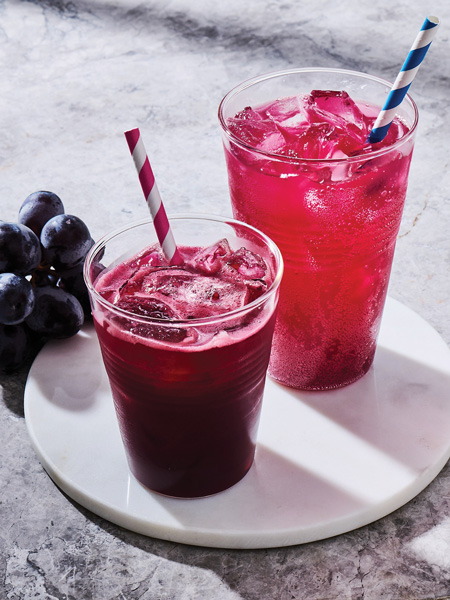
California Grape Wellness Juice
Servings: 3 (1 cup each)
- 5 cups black or red Grapes from California
- 1/2 cup peeled raw beet slices
- 3/4 cup orange juice
- 1/4 cup lemon juice
- 1 small carrot, peeled and sliced
- 1 piece fresh turmeric (1-inch), peeled and sliced or1 teaspoon ground turmeric
- In high-speed blender, puree grapes, beet slices, orange juice, lemon juice, carrot and turmeric until smooth.
- Pour through fine mesh sieve, stirring to extract as much juice as possible, about 3 cups. Stop when mixture starts to get thick. Enjoy immediately or cover and refrigerate until ready to serve.
Notes: This juice can also be added to iced tea or fizzy water.
Nutritional information per serving: 230 calories; 3 g protein; 58 g carbohydrates; 0.5 g fat (2% calories from fat); 0 g saturated fat (0% calories from saturated fat); 0 mg cholesterol; 35 mg sodium; 0 g fiber.

SOURCE:






-

 NEWS3 years ago
Suspect indicted, jailed in Tia Hutson murder
-

 NEWS4 years ago
Wreck takes the life of BHS teen, 16
-
 NEWS3 years ago
Murder unsolved – 1 year later Tia Hutson’s family angry, frustrated with no arrest
-
 NEWS4 years ago
SO investigating possible murder/suicide
-
 NEWS4 years ago
2 hurt, 1 jailed after shooting incident north of Nocona
-
 Show us something good9 years ago
Country music star children perform in Bowie
-
 100th Birthday4 years ago
Looking back at the 1958 Centennial edition of The Bowie News
-
 Show us something good9 years ago
Bowie finally earns ‘World’s Largest Bowie Knife” record from Guinness